Hotel Wellness Amenities That Guests Remember
A 6 a.m. flight, a full day of meetings, dinner with clients, and another early start can leave even the most disciplined traveler depleted. The hotels that earn repeat loyalty are no longer treating recovery as an optional spa indulgence. Hotel wellness amenities are becoming part of the stay itself: private, design-forward rituals that help guests sleep deeper, train with purpose, and return to their day restored.
For luxury properties, the opportunity is larger than adding a yoga mat to the fitness center. A thoughtfully specified wellness environment signals that a hotel understands the pace, pressure, and expectations of its guests. It creates a reason to book directly, stay longer, return often, and speak about the property long after checkout.
Why Hotel Wellness Amenities Now Shape the Guest Experience
Premium travelers increasingly arrive with established wellness routines. They may use heat therapy after training, cold exposure to reset after long-haul travel, red light therapy as part of a skin and recovery ritual, or compression after a demanding day on their feet. At home, these guests value immediate access and privacy. They expect the same level of consideration from world-class hospitality.
A conventional spa remains valuable, particularly for treatments and human connection. Yet spa appointments operate on a schedule, while recovery needs do not. A guest may want a 20-minute infrared sauna session before breakfast, a cold plunge after an afternoon run, or a quiet massage chair session after a delayed flight. Wellness amenities extend the property’s value beyond appointment windows and create a more flexible guest journey.
They also support a wider range of travelers. The executive managing jet lag, the athlete competing nearby, the couple on a restorative weekend, and the wellness-minded leisure guest may all use the same space differently. The strongest hospitality concepts are built around this versatility without feeling generic.
The Difference Between Equipment and a Wellness Destination
An isolated piece of equipment rarely creates a memorable amenity. A recovery space works when every detail supports use: the sequence of modalities, acoustic privacy, lighting, ventilation, towel service, circulation paths, and clear guidance for first-time guests.
Consider a heat-and-cold suite. Placing a sauna beside a cold plunge may appear straightforward, but the guest experience depends on more than proximity. There must be room to cool down safely, shower, hydrate, and rest. Materials need to withstand moisture while maintaining a refined visual language. Staff need a simple operating protocol and a clear process for maintaining water quality and presenting the space at its best.
This is where a curated approach matters. Rather than purchasing disconnected products, hospitality teams can shape a complete recovery environment around their available square footage, guest demographic, design intent, and operational capacity. Strength and serenity should exist in harmony, even in a compact urban footprint.
Start With the Property’s Guest Profile
A destination resort may justify a broad wellness circuit with sauna, steam, cold immersion, treatment rooms, and outdoor relaxation areas.A boutique business hotel may see greater utilization from a compact recovery lounge with infrared therapy, compression boots, and massage chairs that guests can access efficiently between meetings.
The right investment depends on location and positioning. A mountain resort can lean into post-adventure recovery. A coastal property may make contrast therapy part of its signature ritual. A luxury residential-style hotel may prioritize private in-room or suite-level wellness features. The question is not which technology is most fashionable. It is what the property can deliver exceptionally, every day.
The Modalities Premium Guests Recognize and Use
The most effective amenities pair intuitive guest appeal with credible performance value. Four categories consistently create a strong foundation for premium hospitality wellness spaces:
- Saunas and infrared saunas offer a familiar, elevated heat ritual that supports relaxation and post-exertion recovery. Traditional saunas bring an iconic social-spa experience; infrared models can suit spaces seeking more targeted warmth, efficient installation options, or lower-temperature sessions.
- Cold plunges and cryotherapy provide an energizing counterpoint to heat. Cold plunges are particularly compelling when integrated into a guided contrast-therapy circuit, while whole-body cryotherapy can create a high-impact, technology-led feature for performance-oriented destinations.
- Red light therapy brings luxury in every ray, offering a quiet, private session that fits naturally into a recovery lounge, spa suite, or high-end fitness environment. The design and ease of access matter as much as the device itself.
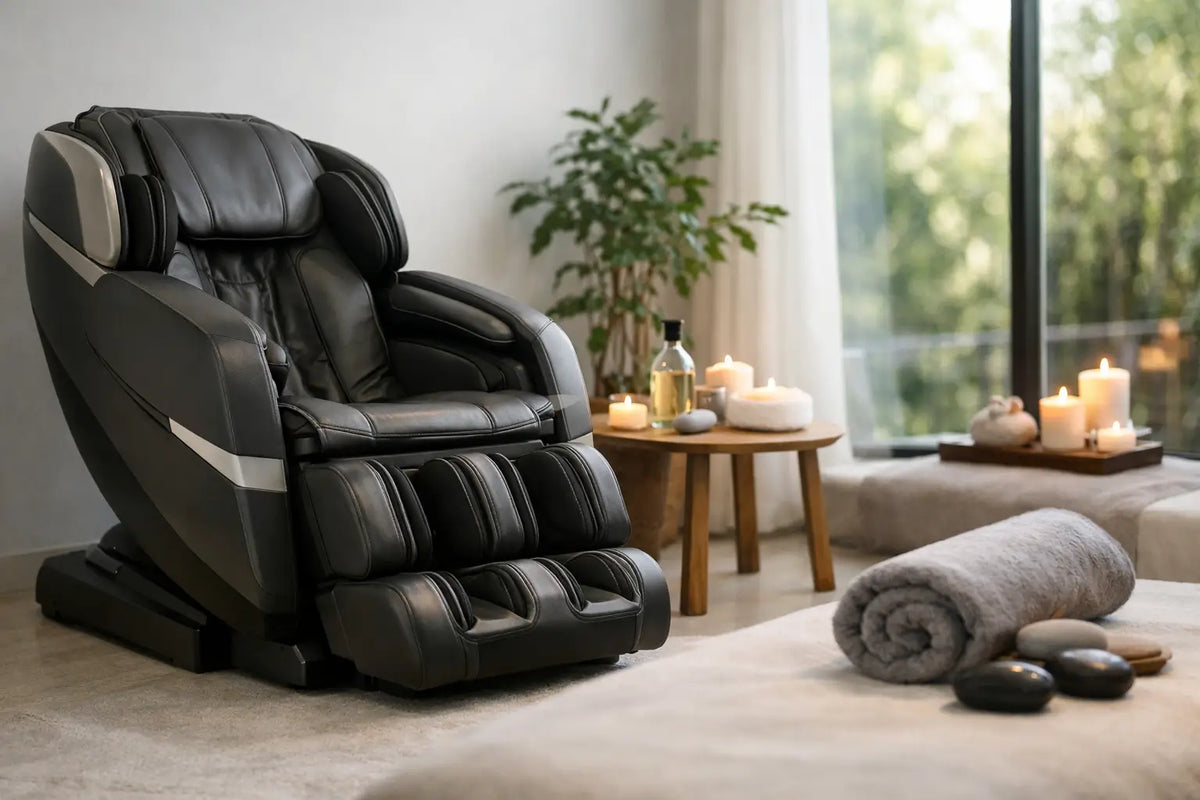
- Compression and massage recovery can be among the most practical options for business travelers and athletes alike. Compression boots and premium massage chairs require less time and less preparation than wet-area therapies, making them ideal for high-use spaces and shorter guest windows.
Privacy Is a Luxury Feature, Not an Afterthought
Not every guest wants wellness to be social. Privacy often determines whether an amenity gets used, especially by executives, public figures, and guests who are new to recovery technology.
Private bookable suites can command attention and support premium packages. They are especially effective for red light therapy, cryotherapy, massage, and contrast rituals. In a larger club-like wellness setting, a mix of communal and private zones gives guests agency: a social sauna session when desired, a solitary reset when needed.
Thoughtful details make the difference. Dimmable lighting, lockable storage, seating that feels residential rather than clinical, premium towels, hydration stations, and clean visual instructions all reinforce confidence. The space should feel calming before a guest turns on a single device.
Designing for Operations, Not Just Opening Day
A visually impressive wellness room that is difficult to maintain will quickly lose its appeal. Hospitality owners and developers should evaluate equipment through an operational lens from the beginning: electrical requirements, floor loading, drainage, ventilation, water treatment, cleaning access, replacement parts, warranty coverage, and service response.
Wet amenities require particularly disciplined planning. A cold plunge needs a clear sanitation and maintenance protocol. Saunas need suitable ventilation and durable surrounding finishes. Cryotherapy chambers require specialized considerations that should be addressed early with qualified project support. These details are not glamorous, but they protect the guest experience and the investment.
The same principle applies to staffing. Some amenities can be designed for simple, self-guided use with thoughtful booking and housekeeping procedures. Others benefit from trained attendants who can manage sessions, explain protocols, and maintain a more concierge-led atmosphere. Neither model is inherently superior. It depends on the property’s service standard, hours of operation, and wellness ambition.
Positioning Wellness as Revenue and Loyalty
The most successful hotel wellness amenities are not hidden in the basement as an afterthought. They are integrated into the property narrative. A rooftop sauna overlooking the city, a recovery suite adjacent to an elite fitness studio, or a quiet longevity lounge near the spa can become a defining reason to choose the hotel.
Revenue can come from private-suite bookings, recovery memberships for local residents, spa upgrades, group packages, athletic-event partnerships, and premium room categories. Yet the greater value may be harder to measure on a single invoice. Guests remember how a property made them feel. If they slept well before a presentation, recovered after a race, or finally found stillness during a demanding trip, the hotel has created meaningful loyalty.
For developers, designers, and hospitality operators, early coordination is essential. Equipment selection should happen alongside architectural and MEP planning, not after finishes have been chosen. Luxe Vida Wellness supports this level of planning with custom sourcing, specification guidance, delivery coordination, and curated recovery environments designed to meet both design and operational expectations.
A memorable wellness amenity does not need to be the largest room in the hotel. It needs to be intentional: a place where guests can step away from the demands of travel, choose the ritual that serves them, and leave feeling ready for what comes next.