Can Red Light Reduce Inflammation? What Evidence Says
A hard training week, a desk-bound workday, or an interrupted night of sleep can leave the body feeling persistently inflamed: stiff joints, sore muscles, lingering fatigue, and skin that seems slower to settle. It is reasonable to ask, can red light reduce inflammation? The measured answer is that it may help regulate inflammatory processes in certain contexts, particularly when used consistently and with an appropriately designed device. It is not a cure-all, and it should not replace medical evaluation for persistent pain, injury, or inflammatory disease.
For people building a more intentional recovery ritual at home, red light therapy offers something more refined than a temporary sensation of relief. It is a noninvasive modality designed to support cellular energy, circulation, and tissue recovery - all of which can influence how the body responds after stress.
Can Red Light Reduce Inflammation in the Body?
Red light therapy, often called photobiomodulation, uses specific wavelengths of red and near-infrared light to interact with tissue. Red wavelengths generally work closer to the skin’s surface, while near-infrared wavelengths penetrate more deeply into muscle and connective tissue. The distinction matters when the goal is calming visible skin irritation versus supporting recovery in a heavily trained shoulder, knee, or lower back.
At the cellular level, light energy is thought to influence mitochondria, the structures responsible for producing energy inside cells. A better cellular energy environment may support repair processes and help modulate signaling molecules involved in inflammation. Research has also explored red and near-infrared light for its potential effects on blood flow, oxidative stress, swelling, and inflammatory markers.
That language - may support and may modulate - is deliberate. Inflammation is not one simple condition. It is part of the body’s normal response to training, injury, infection, and stress. The objective is rarely to eliminate it entirely. A more sophisticated goal is to support a healthy, timely recovery response without allowing soreness, swelling, or irritation to dominate daily life.
What the Research Suggests
Studies of photobiomodulation have produced encouraging findings across a range of recovery-related applications, including delayed-onset muscle soreness, some joint discomfort, tendon concerns, and certain skin conditions. For example, a 2025 systematic review and meta-analysis of 14 controlled studies examined photobiomodulation for delayed-onset muscle soreness, using red and near-infrared wavelengths between 660 and 950 nanometers. It found a moderate reduction in pain at 72 to 96 hours post-exercise and a large improvement in muscle strength recovery at 24 to 48 hours, along with lower levels of creatine kinase and oxidative stress markers commonly associated with muscle damage. In athletic settings, red and near-infrared light may help reduce perceived soreness and support return-to-training readiness when used as part of a broader recovery plan.
Results vary because research protocols vary. Wavelength, irradiance, treatment time, distance from the light, treatment frequency, and the area being treated can all change the outcome. A brief session with a low-output consumer device is not equivalent to a carefully dosed session with a high-performance panel or full-body bed.
The quality of the evidence also depends on the condition. There is a meaningful difference between using light to support normal post-exercise muscle recovery and attempting to self-treat rheumatoid arthritis, an infected wound, severe swelling, or unexplained chronic pain. The latter situations require clinical guidance. Red light therapy can be a valuable complement to thoughtful care, but it is not a substitute for diagnosis.
Acute soreness versus chronic inflammation
After a demanding lift, a long run, or a demanding week of travel, temporary inflammation is part of adaptation and repair. Red light can fit naturally into a recovery routine that also includes sleep, hydration, intelligent programming, nutrition, and mobility. It may be especially appealing for high performers who want an efficient, private way to care for their bodies between appointments or training sessions.
Chronic inflammation is more complex. It may be associated with autoimmune conditions, metabolic health, injury, poor sleep, high stress, medications, or other underlying factors. While red light may offer supportive benefits, it should be treated as one component of a personalized wellness environment rather than the only answer.
Why Device Quality and Dose Matter
The phrase red light therapy covers a wide range of equipment. A small beauty-focused lamp, a premium panel, and a full-body red light bed do not deliver the same experience or the same treatment coverage. For inflammation-related recovery goals, the practical questions are whether the device provides clinically relevant red and near-infrared wavelengths, sufficient output, even coverage, and a treatment format you will genuinely use.
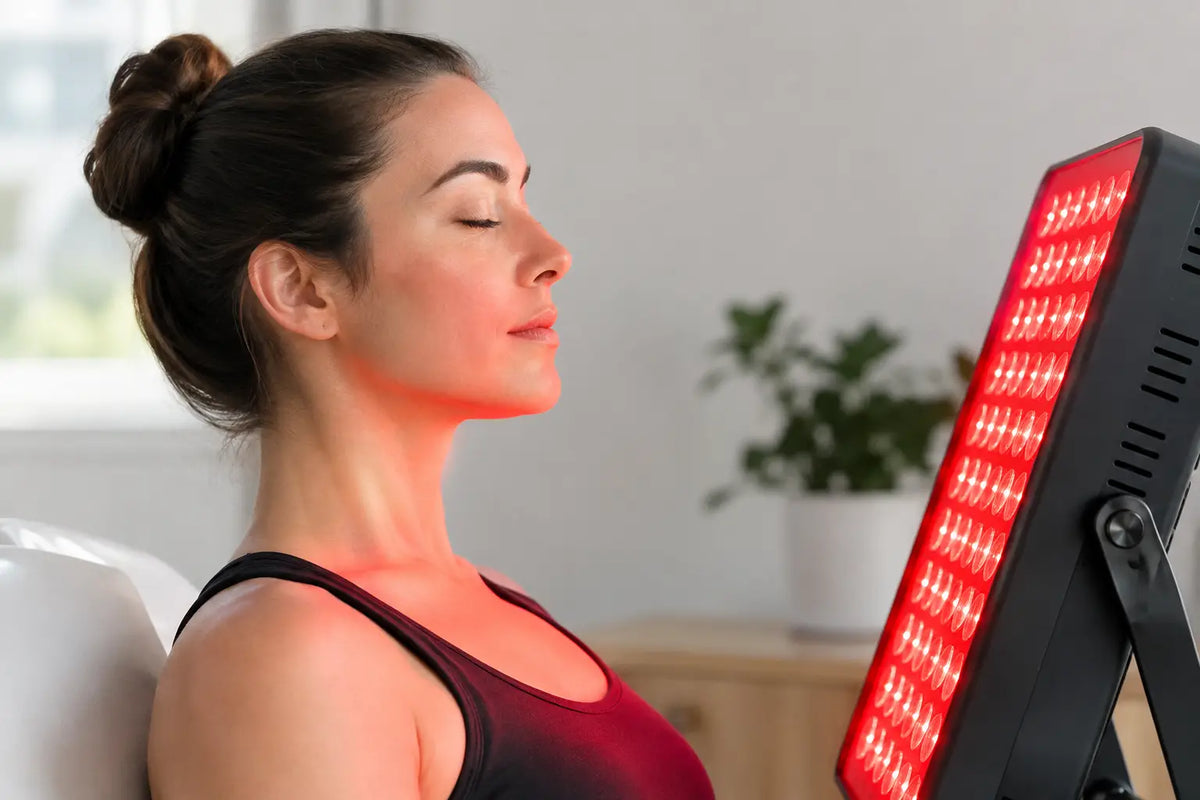
A high-quality panel can be ideal for targeted areas such as the knees, shoulders, back, or quads. It works well in a home gym, dressing area, or recovery room where a concise daily ritual is the priority. A full-body bed is better suited to clients who value comprehensive be exposure, greater comfort, and the visual polish of a dedicated wellness sanctuary. For an athlete with broad muscular demands or a homeowner designing a complete recovery suite, full-body treatment can make adherence feel effortless.
More is not automatically better. Photobiomodulation is frequently described as dose-dependent, meaning too little may be ineffective while excessive exposure may not provide additional benefit. Follow the manufacturer’s protocol for distance and session length rather than assuming longer sessions create stronger results. Consistency, correct positioning, and realistic expectations tend to matter more than chasing intensity.
How to Build Red Light Into a Recovery Ritual
For everyday recovery, many people use red light several times per week, with sessions often lasting minutes rather than hours. The ideal cadence depends on the equipment, treatment area, personal tolerance, and the reason for use. A person easing post-workout tightness may use a panel after training, while someone focused on skin appearance may choose a separate, face-forward protocol.
Place the device where it supports the behavior you want to repeat. A panel hidden in a storage room is less useful than one integrated into a serene, accessible recovery space. In a well-designed home environment, red light therapy can become the quiet interval between work and dinner, the reset after travel, or the final step after strength training.
Pairing modalities can also be sensible, provided the routine remains practical. Red light may complement compression for heavy legs, massage for muscular tension, or a measured heat-and-cold ritual for those already accustomed to contrast recovery. Each modality has a different purpose, so the best recovery suite is not the one with the most equipment. It is the one that matches your training load, health priorities, space, and schedule.
Safety, Expectations, and When to Seek Care
Red light therapy is generally considered noninvasive and is commonly well tolerated when quality equipment is used according to instructions. Still, a few precautions are worth taking. Protect the eyes when a device protocol calls for it, especially with bright panels positioned near the face. If you take medications that increase photosensitivity, have a light-sensitive condition, are pregnant, have a history of cancer, or are managing a medical condition, ask a qualified clinician before beginning a routine.
Stop treating and seek medical advice for sudden swelling, warmth, redness, severe pain, loss of function, fever, a suspected infection, or symptoms that do not improve. These signs deserve assessment, not a longer session under a panel.
Expect progress to be subtle and cumulative rather than dramatic overnight. The strongest value of red light therapy is often its place in a disciplined system: a beautiful, reliable ritual that gives recovery the same priority as performance.
For those who expect more from their home than convenience alone, the right red light setup can make restorative care feel built in. Give your body a calm, consistent place to recover - then let that standard shape the rest of your wellness environment.
Ready to build your recovery ritual? Explore our red light therapy collection and find the setup that fits your space.