Contrast Therapy at Home for Better Recovery
A demanding training block, a transcontinental flight, or a week of back-to-back decisions can leave the body feeling like it never truly clocked out. Contrast therapy at home creates a private reset between those demands: intentional heat followed by controlled cold, performed on your schedule and within the calm of your own space.
For high performers, the appeal is not simply the intensity of the experience. It is the consistency. A well-designed heat-and-cold ritual removes the friction of booking appointments, commuting to a recovery studio, or settling for a rushed version of self-care. Your recovery becomes part of the architecture of your day - as considered as your training, nutrition, and sleep.And because heat and cold do different things for the body, how you use them matters as much as whether you use them — timing a session around your training goals, not just your schedule, is part of getting real value from the ritual.
What Contrast Therapy at Home Actually Involves
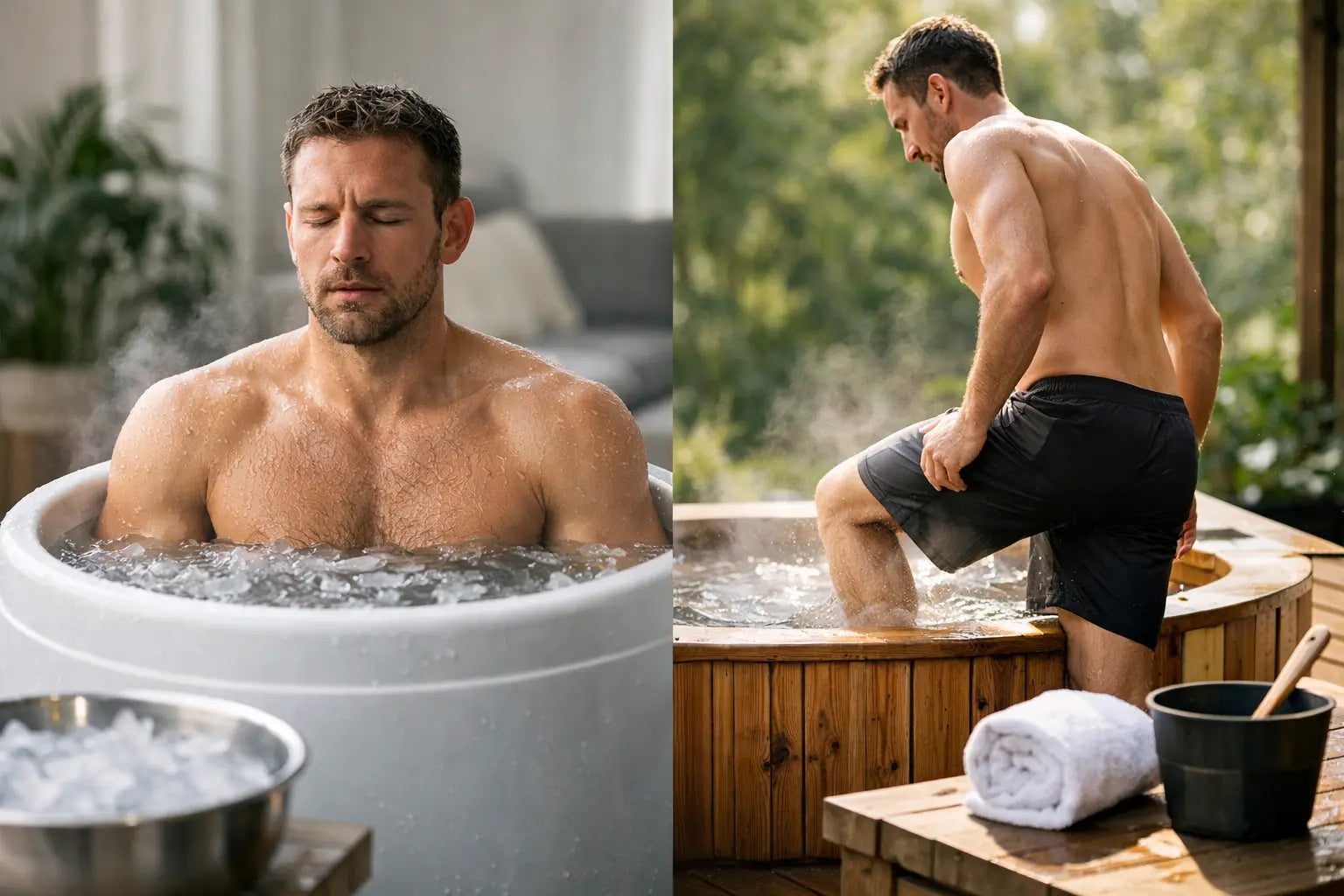
Contrast therapy alternates exposure to warmth and cold. At home, this most often means moving between a sauna and cold plunge, although some routines use a hot shower, cold shower, or a warm bath when a dedicated setup is not yet in place.
The contrast creates a pronounced sensory shift. Heat encourages relaxation, raises skin temperature, and can make tight muscles feel more pliable. Cold exposure produces a sharp cooling response and may leave you feeling alert, refreshed, and mentally reset. The transition between the two is why the ritual feels so distinct from using either modality alone.
The experience is often associated with post-exercise recovery, but its role can be broader. An executive may use it to create a clean boundary between work and evening. A serious athlete may reserve it for lower-intensity days or after particularly demanding sessions. A wellness-focused homeowner may simply value the quiet, repeatable ritual of stepping away from screens and obligations.
Research on contrast therapy and athletic recovery is still mixed, particularly when it comes to exact protocols and long-term training adaptations. That does not diminish the value many people find in it. It does mean the best approach is personal, measured, and guided by how your body responds rather than by chasing extreme temperatures or endurance challenges.
The Case for a Dedicated Heat-and-Cold Space
A shower-based routine is accessible, but it rarely delivers the same control, comfort, or consistency as a purpose-built environment. Premium equipment transforms contrast therapy from a compromise into a ritual worth returning to.
A traditional sauna offers the dry, enveloping heat many people associate with classic recovery culture. An infrared sauna uses radiant heat and may appeal to homeowners who prefer a gentler, more gradual warmth or have space and electrical considerations that favor an infrared installation. [TIGHTENED] Neither is universally better — the right choice comes down to the heat sensation you prefer and the footprint and layout of the room.
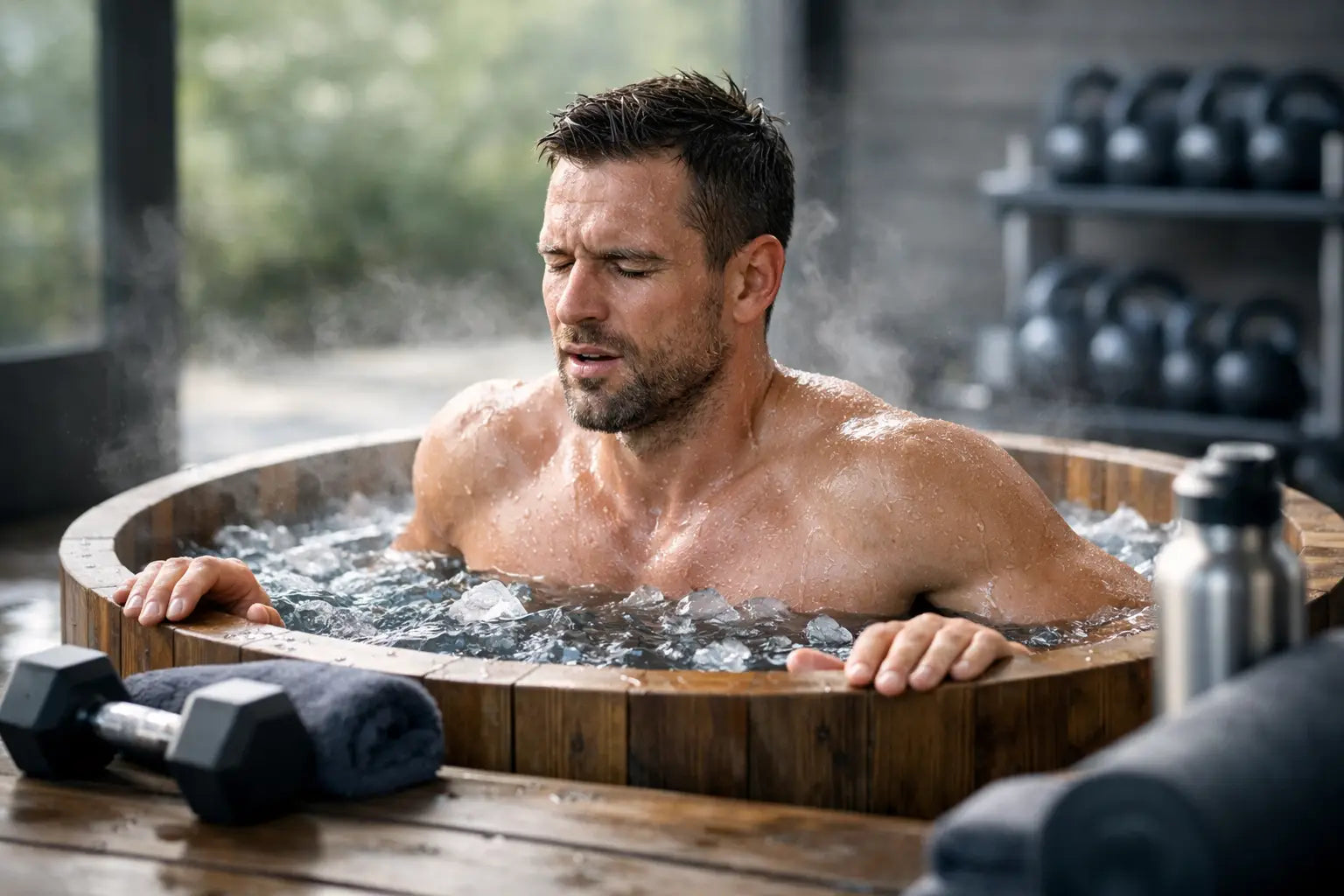
Cold plunges also vary considerably. A beautifully finished tub with dependable filtration and temperature control is fundamentally different from filling a bathtub with bags of ice. [TIGHTENED] The former supports a repeatable practice with less prep, and it lets the space read as intentional — appropriate for a luxury residence, boutique hospitality setting, or private performance suite.
When designed together, the sauna and plunge become more than adjacent products. They become a recovery circuit. Consider circulation space, drainage, floor finish, ventilation, privacy, towel storage, lighting, and a place to sit quietly between rounds. Strength and serenity exist in harmony when the room has been designed for both.
How to Build a Sensible At-Home Ritual
The most effective routine is one you can sustain. Begin conservatively and give yourself permission to adjust. Many experienced users start with heat, spend a short period in cold water, then rest before deciding whether a second round feels appropriate.
A practical starting point may look like 10 to 15 minutes of comfortable sauna heat, followed by 30 seconds to two minutes in a cold plunge, then several minutes of quiet recovery at room temperature. One to three rounds is typically plenty. The goal is to finish composed and energized, not depleted or shaky.
Cold water does not need to be punishing to be productive. Beginners may find a temperature in the upper 50s Fahrenheit more approachable than a near-freezing plunge. With experience, some people choose colder settings, but lower is not automatically better. A temperature that allows calm, controlled breathing is usually more useful than one that turns each session into a test of will.
Likewise, sauna time should be determined by comfort, hydration, and individual tolerance. Step out if you feel lightheaded, nauseated, overly flushed, or unwell. Drink water before and after the session, and avoid treating dehydration as proof of a successful ritual.
Timing Matters More Than Most People Think
Contrast therapy is not a one-size-fits-all response to exercise. If your priority is maximizing muscle growth after resistance training, immediately using intense cold after every lifting session may not suit that goal. Some evidence suggests frequent post-workout cold immersion could blunt parts of the adaptation process associated with strength and hypertrophy training.
That does not mean cold has no place in a strength-focused lifestyle. It may be better reserved for days when reducing the feeling of soreness, restoring a sense of readiness, or managing the demands of travel and competition matters more than optimizing a single training signal. Endurance athletes, team-sport athletes, and people training multiple times per day may make different choices than someone focused primarily on building muscle.
For many homeowners, the evening is ideal for sauna use because the warmth can create a transition into a slower pace. Cold exposure, however, can feel invigorating. If a late-night plunge leaves you too alert to sleep, move it earlier in the day or make your final modality heat and rest rather than cold.
Safety Is Part of a Luxury Experience
Premium recovery should feel assured, not reckless. Never plunge alone if you are new to cold exposure, and do not use alcohol or recreational substances before a sauna or cold session. Avoid hyperventilating before entering cold water, as it can increase the risk of fainting.
People with cardiovascular disease, uncontrolled high blood pressure, a history of fainting, circulation concerns, pregnancy, neuropathy, or other medical conditions should speak with a qualified clinician before beginning contrast therapy. The same applies if you take medications that affect heart rate, blood pressure, or temperature regulation.
Make the room operationally sound. Use non-slip flooring, keep clear entry and exit paths, place towels within reach, and ensure the cold plunge is easy to enter and leave. Proper electrical planning, ventilation, water management, and equipment servicing protect the investment and make the ritual easier to enjoy for years.
Designing a Recovery Sanctuary That Gets Used
The best wellness room is not the one with the longest equipment list. It is the one that fits naturally into the way you live. A compact home gym may benefit from a streamlined infrared sauna and cold plunge positioned nearby. A larger residence may support a complete recovery suite with sauna, plunge, red light therapy, compression boots, and a dedicated lounge area. [NEW] Red light rounds out the circuit well: where heat and cold work on circulation and alertness, red light is typically used for skin and tissue recovery, so it slots into the same routine without competing with either.
Material choices shape the experience. Natural wood, textured stone, warm indirect lighting, and restrained storage can give a performance space the composure of a private spa. In a commercial setting, durable finishes, guest flow, service access, and ADA considerations deserve equal attention alongside visual impact.
This is where a curated approach matters. Luxe Vida Wellness helps clients think beyond a single purchase, pairing premium recovery equipment with the specifications, delivery coordination, and installation planning required for a space that feels intentional from the first session.
A Ritual Worth Protecting
Contrast therapy works best when it becomes a protected appointment with yourself, not another task to optimize. Keep the routine simple, listen closely to your response, and let the setting do some of the work. A quiet room, reliable equipment, and a few uninterrupted minutes can make recovery feel less like an occasional reward and more like your standard.
Let me know if this lands right, or if you want the temp number softened, the teaser line cut, or anything else adjusted — once you sign off I'll finalize it (updated Word doc, and/or push to Shopify if you want to publish).
What Contrast Therapy at Home Actually Involves
Contrast therapy alternates exposure to warmth and cold. At home, this most often means moving between a sauna and cold plunge, although some routines use a hot shower, cold shower, or a warm bath when a dedicated setup is not yet in place.
The contrast creates a pronounced sensory shift. Heat encourages relaxation, raises skin temperature, and can make tight muscles feel more pliable. Cold exposure produces a sharp cooling response and may leave you feeling alert, refreshed, and mentally reset. The transition between the two is why the ritual feels so distinct from using either modality alone.
The experience is often associated with post-exercise recovery, but its role can be broader. An executive may use it to create a clean boundary between work and evening. A serious athlete may reserve it for lower-intensity days or after particularly demanding sessions. A wellness-focused homeowner may simply value the quiet, repeatable ritual of stepping away from screens and obligations.
Research on contrast therapy and athletic recovery is still mixed, particularly when it comes to exact protocols and long-term training adaptations. That does not diminish the value many people find in it. It does mean the best approach is personal, measured, and guided by how your body responds rather than by chasing extreme temperatures or endurance challenges.
The Case for a Dedicated Heat-and-Cold Space
A shower-based routine is accessible, but it rarely delivers the same control, comfort, or consistency as a purpose-built environment. Premium equipment transforms contrast therapy from a compromise into a ritual worth returning to.
A traditional sauna offers the dry, enveloping heat many people associate with classic recovery culture. An infrared sauna uses radiant heat and may appeal to homeowners who prefer a gentler, more gradual warmth or have space and electrical considerations that favor an infrared installation. Neither is universally better. The right choice depends on the heat sensation you prefer, the available footprint, the intended frequency of use, and the visual language of the room.
Cold plunges also vary considerably. A beautifully finished tub with dependable filtration and temperature control is fundamentally different from filling a bathtub with bags of ice. The former supports a repeatable practice with less preparation and a more refined experience. It also lets the space feel appropriate for a luxury residence, boutique hospitality setting, or private performance suite.
When designed together, the sauna and plunge become more than adjacent products. They become a recovery circuit. Consider circulation space, drainage, floor finish, ventilation, privacy, towel storage, lighting, and a place to sit quietly between rounds. Strength and serenity exist in harmony when the room has been designed for both.
How to Build a Sensible At-Home Ritual
The most effective routine is one you can sustain. Begin conservatively and give yourself permission to adjust. Many experienced users start with heat, spend a short period in cold water, then rest before deciding whether a second round feels appropriate.
A practical starting point may look like 10 to 15 minutes of comfortable sauna heat, followed by 30 seconds to two minutes in a cold plunge, then several minutes of quiet recovery at room temperature. One to three rounds is typically plenty. The goal is to finish composed and energized, not depleted or shaky.
Cold water does not need to be punishing to be productive. Beginners may find a temperature in the upper 50s Fahrenheit more approachable than a near-freezing plunge. With experience, some people choose colder settings, but lower is not automatically better. A temperature that allows calm, controlled breathing is usually more useful than one that turns each session into a test of will.
Likewise, sauna time should be determined by comfort, hydration, and individual tolerance. Step out if you feel lightheaded, nauseated, overly flushed, or unwell. Drink water before and after the session, and avoid treating dehydration as proof of a successful ritual.
Timing Matters More Than Most People Think
Contrast therapy is not a one-size-fits-all response to exercise. If your priority is maximizing muscle growth after resistance training, immediately using intense cold after every lifting session may not suit that goal. Some evidence suggests frequent post-workout cold immersion could blunt parts of the adaptation process associated with strength and hypertrophy training.
That does not mean cold has no place in a strength-focused lifestyle. It may be better reserved for days when reducing the feeling of soreness, restoring a sense of readiness, or managing the demands of travel and competition matters more than optimizing a single training signal. Endurance athletes, team-sport athletes, and people training multiple times per day may make different choices than someone focused primarily on building muscle.
For many homeowners, the evening is ideal for sauna use because the warmth can create a transition into a slower pace. Cold exposure, however, can feel invigorating. If a late-night plunge leaves you too alert to sleep, move it earlier in the day or make your final modality heat and rest rather than cold.
Safety Is Part of a Luxury Experience
Premium recovery should feel assured, not reckless. Never plunge alone if you are new to cold exposure, and do not use alcohol or recreational substances before a sauna or cold session. Avoid hyperventilating before entering cold water, as it can increase the risk of fainting.
People with cardiovascular disease, uncontrolled high blood pressure, a history of fainting, circulation concerns, pregnancy, neuropathy, or other medical conditions should speak with a qualified clinician before beginning contrast therapy. The same applies if you take medications that affect heart rate, blood pressure, or temperature regulation.
Make the room operationally sound. Use non-slip flooring, keep clear entry and exit paths, place towels within reach, and ensure the cold plunge is easy to enter and leave. Proper electrical planning, ventilation, water management, and equipment servicing protect the investment and make the ritual easier to enjoy for years.
Designing a Recovery Sanctuary That Gets Used
The best wellness room is not the one with the longest equipment list. It is the one that fits naturally into the way you live. A compact home gym may benefit from a streamlined infrared sauna and cold plunge positioned nearby. A larger residence may support a complete recovery suite with sauna, plunge, red light therapy, compression boots, and a dedicated lounge area.Red light rounds out the circuit well: where heat and cold work on circulation and alertness, red light is typically used for skin and tissue recovery, so it slots into the same routine without competing with either.
Material choices shape the experience. Natural wood, textured stone, warm indirect lighting, and restrained storage can give a performance space the composure of a private spa. In a commercial setting, durable finishes, guest flow, service access, and ADA considerations deserve equal attention alongside visual impact.
This is where a curated approach matters. Luxe Vida Wellness helps clients think beyond a single purchase, pairing premium recovery equipment with the specifications, delivery coordination, and installation planning required for a space that feels intentional from the first session.
A Ritual Worth Protecting
Contrast therapy works best when it becomes a protected appointment with yourself, not another task to optimize. Keep the routine simple, listen closely to your response, and let the setting do some of the work. A quiet room, reliable equipment, and a few uninterrupted minutes can make recovery feel less like an occasional reward and more like your standard.
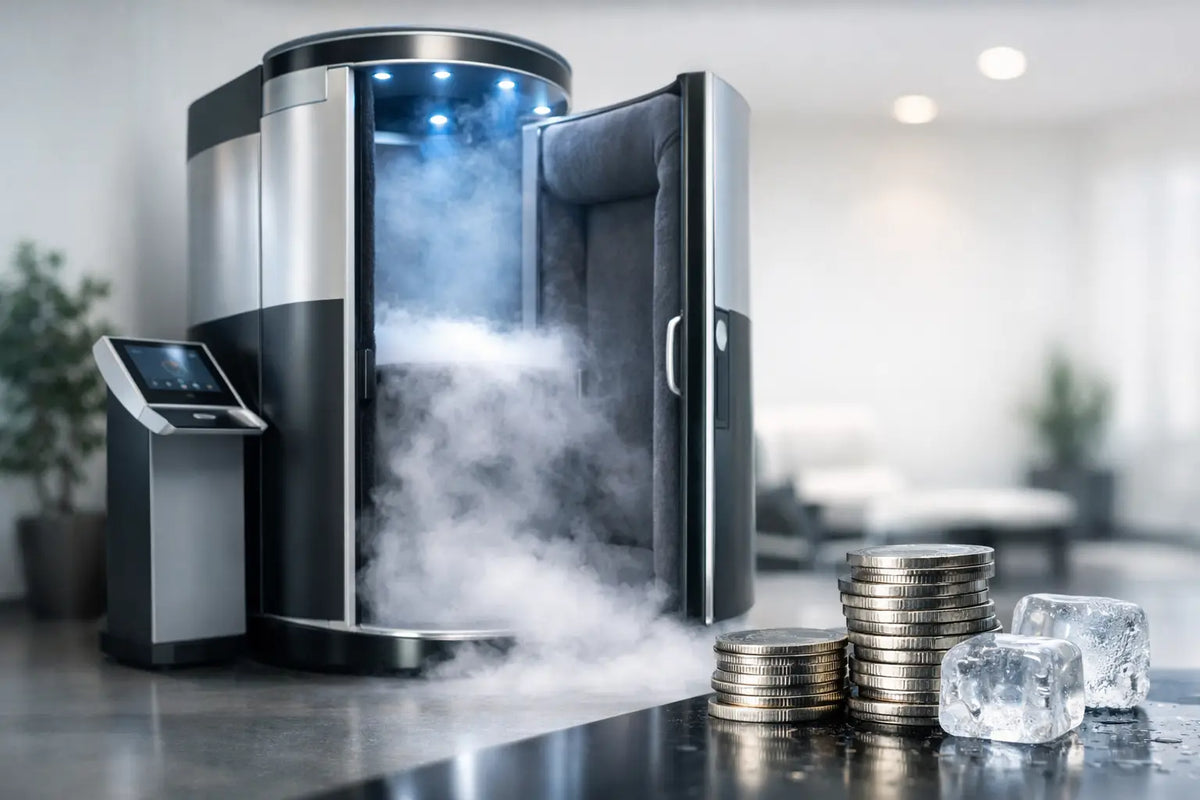
To dig deeper, read more on using cold immersion for muscle recovery and our guide to whole-body cryotherapy as a complementary modality.