Cold Plunge for Muscle Recovery: What Actually Works
A hard training session should not dictate the quality of the next day. A cold plunge for muscle recovery gives high performers a private, immediate way to reset after demanding work, travel, competition, or long hours on their feet. Used with intention, cold exposure can reduce the feeling of soreness, calm post-exercise heat, and make recovery feel less like an afterthought and more like a standard.
The key is precision. Cold water is not a replacement for sleep, nutrition, mobility, or intelligent programming. It is a powerful recovery tool with a distinct role - and the best results come from matching that role to your goals.
What Cold Water Can Do After Training
Intense exercise creates temporary muscle damage, metabolic stress, and inflammation. That process is not inherently negative. It is part of how the body adapts. Yet when soreness, fatigue, and swelling linger, they can compromise the quality of tomorrow's training session or simply make a demanding schedule feel heavier.
Cold-water immersion constricts blood vessels while you are in the water and changes how the nervous system perceives pain. When you step out and rewarm, circulation returns. Many people experience less muscle tenderness, reduced heaviness in the legs, and a clearer sense of physical readiness. For athletes navigating consecutive training days, tournaments, endurance events, or travel, that perceived recovery can be highly valuable.
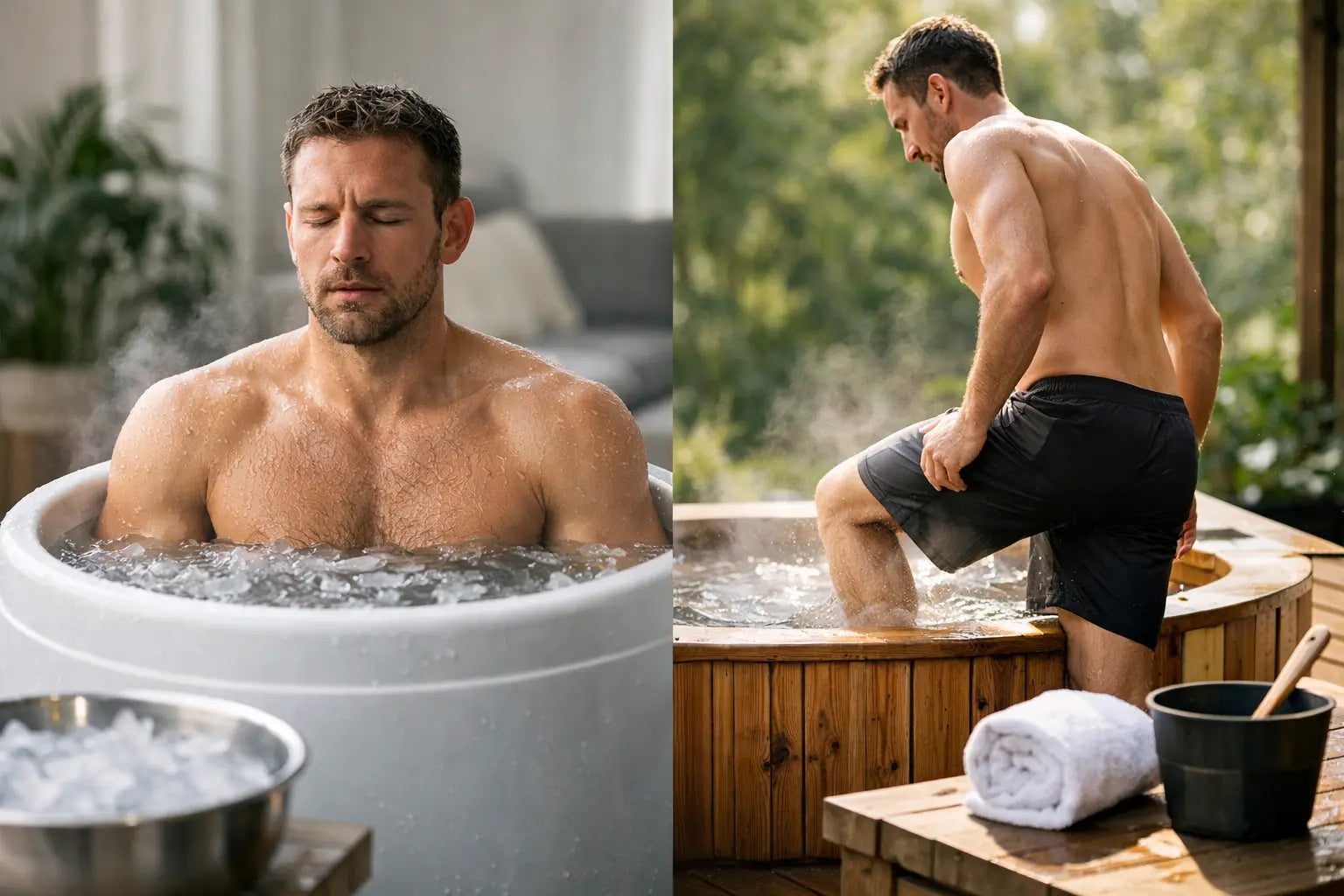
A cold plunge also offers something less measurable but equally relevant: a deliberate transition. The controlled stress of the water asks for focused breathing and composure. For executives and athletes accustomed to moving directly from one demand to the next, that ritual can create a clean boundary between output and restoration.
The Trade-Off: Recovery Today vs. Adaptation Tomorrow
The conversation around cold plunging deserves more nuance than a blanket promise of faster recovery. Cold exposure may reduce some of the inflammatory signaling that contributes to soreness. That is useful when you need to perform again soon. But that same signaling also participates in long-term adaptation to strength training.
If your primary objective is maximum muscle growth or strength development, routinely plunging immediately after every heavy resistance session may not be the ideal strategy. The concern is not that cold water erases progress. Rather, making post-lift cold immersion a daily reflex could modestly interfere with the cellular processes that support hypertrophy over time.
This is where a refined recovery plan separates itself from a trend-driven one. Use the plunge more freely after endurance work, conditioning, field sports, long runs, hot-weather training, or periods with multiple performances in a short window. After a strength-focused workout, consider waiting several hours or reserving cold exposure for later in the day. If you train once, then have a high-stakes event or another session tomorrow, immediate relief may matter more than squeezing every possible adaptation from one lift.
Your recovery should serve the season you are in. Competition preparation, travel-heavy work periods, and high-volume training blocks call for different decisions than an off-season muscle-building phase.
How to Use a Cold Plunge for Muscle Recovery
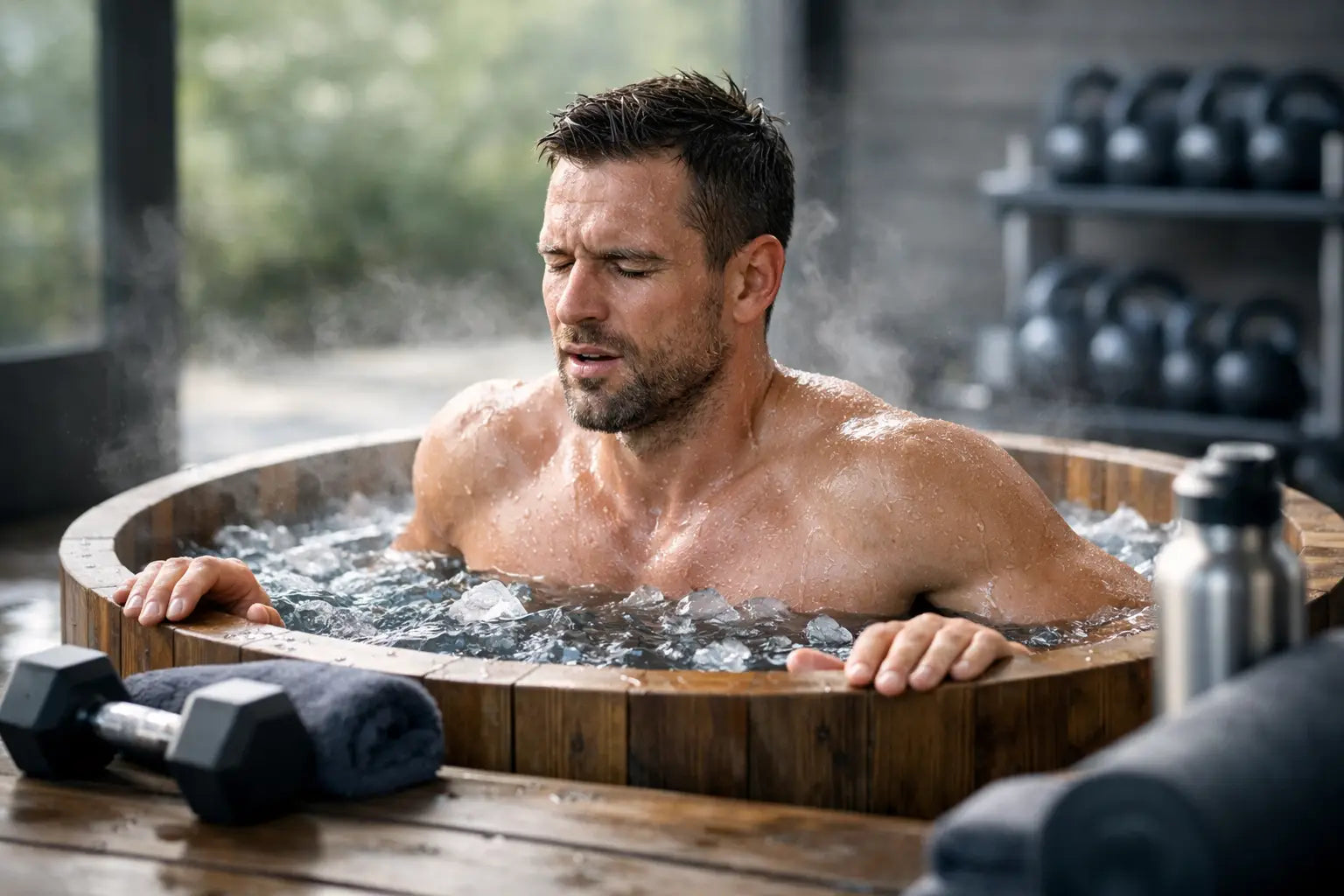
More intensity is not always better. A productive protocol should feel challenging, controlled, and repeatable - not punishing. For most healthy adults, water in the 50 to 59 degrees Fahrenheit range offers a practical starting point. Five to 10 minutes is often sufficient for post-training recovery, particularly when the water is colder.
Start conservatively. Enter slowly, keep your breathing steady, and let your body settle before deciding whether to stay longer. You do not need to force your hands or shoulders underwater on day one. Consistency and calm execution matter far more than chasing an extreme temperature or a dramatic timer.
For a typical post-workout session, finish your training, hydrate, and allow your heart rate to come down before entering the plunge. A brief walk, light mobility work, or a few minutes of relaxed breathing can make the transition more comfortable. Afterward, dry off, warm naturally with clothing and movement, and return to the fundamentals: a meal with adequate protein and carbohydrates, hydration, and a protected sleep window.
A plunge is especially useful after leg-intensive training, long-distance events, or a day when you need to reduce the sense of accumulated fatigue. It can also be part of an evening ritual, although individual responses vary. Some people find the nervous-system reset improves their ability to unwind. Others feel alert after cold exposure and prefer to plunge earlier in the day. Your sleep data and your own experience should guide the timing.
A Premium Setup Makes Consistency Easier
At-home recovery works when it is effortless enough to become a habit. A thoughtfully specified cold plunge removes the friction of filling a tub, managing inconsistent ice, and wondering whether the water is clean or cold enough. Precise temperature control, dependable filtration, purposeful ergonomics, and a finish that belongs in an elevated home environment change the experience entirely.
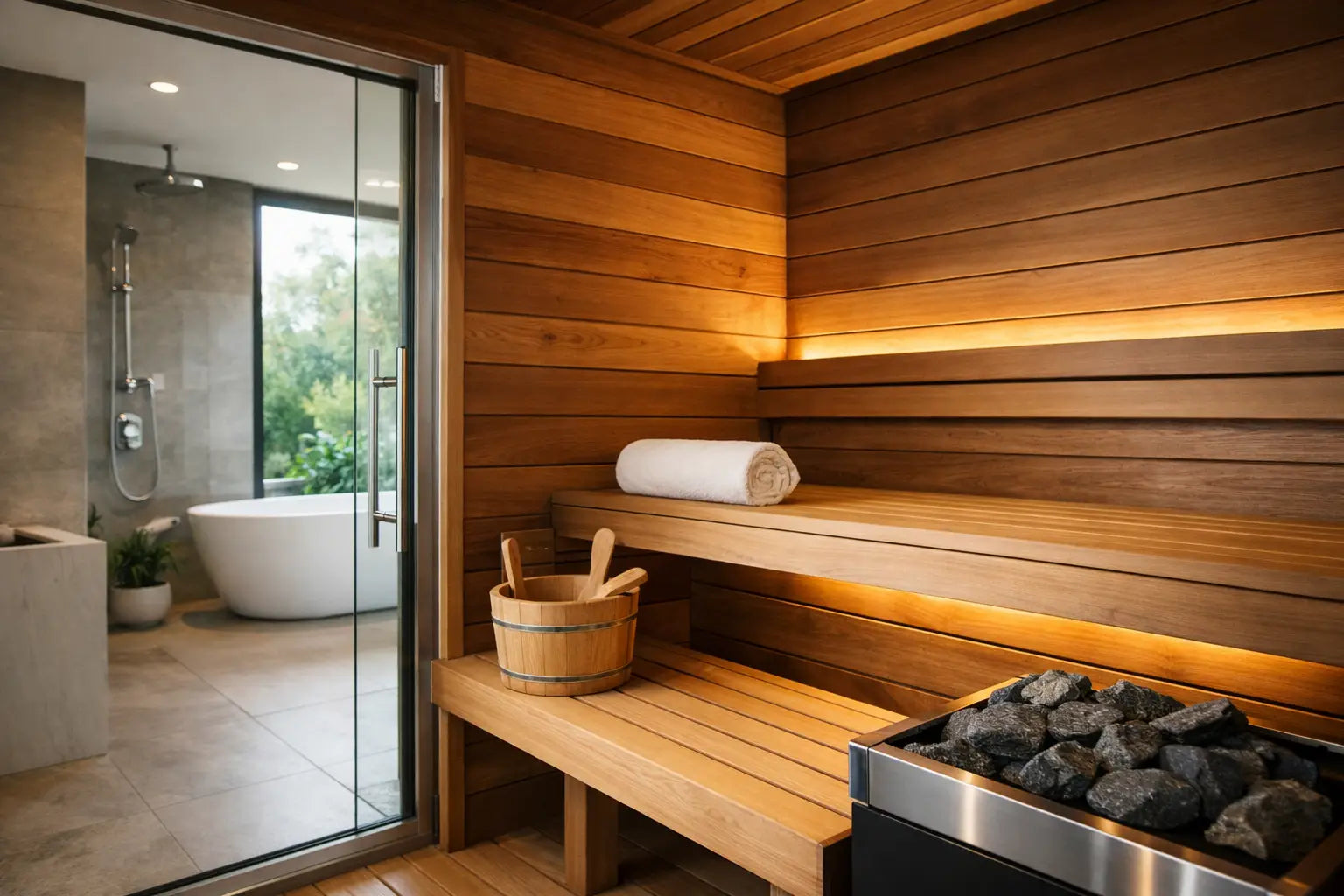
For a dedicated wellness room, the plunge should feel considered alongside the rest of the space. Pairing cold therapy with a sauna, red light therapy, compression, or a quiet lounge area creates a recovery sanctuary rather than a collection of disconnected devices. The right sequence depends on your objective. A contrast ritual may feel exceptional after a long training day, while a standalone plunge may be the more strategic choice after conditioning or before a demanding day.
Luxe Vida Wellness approaches these environments as a complete performance system, with premium equipment and project support designed for the way you actually live, train, and recover.
When to Avoid or Modify Cold Exposure
Cold immersion is a stressor. That is why it can feel so clarifying, and why it deserves respect. Do not use a cold plunge to override pain from a suspected injury or to ignore persistent swelling, loss of function, or unusual symptoms. Those signals require appropriate clinical assessment.
People with cardiovascular disease, uncontrolled high blood pressure, circulation disorders, Raynaud's phenomenon, cold urticaria, neuropathy, or a history of fainting should speak with a qualified medical professional before starting. The same caution applies during pregnancy and when taking medications that affect blood pressure or heart rate.
Avoid plunging alone if you are new to cold exposure, intoxicated, severely fatigued, or feeling unwell. Never hyperventilate before entering the water, and leave immediately if you feel chest pain, dizziness, confusion, numbness that becomes concerning, or uncontrolled shivering. Luxury recovery should feel restorative and composed, never reckless.
Build the Ritual Around Your Real Life
The most effective recovery practice is the one that fits the demands you carry. A founder returning from a red-eye flight may use a brief plunge to feel composed before a full day of meetings. A serious cyclist may use it after back-to-back endurance efforts. A strength athlete in a muscle-building block may place it well away from lifting or save it for rest days.
That flexibility is the point. Cold therapy is not a test of toughness. It is a premium tool for managing readiness, preserving momentum, and creating a moment of stillness in a life built around performance.
Treat the plunge as one element of a larger standard: train with purpose, eat to recover, sleep deeply, and give your body an environment worthy of the demands you place on it. The water may be cold, but the result should feel like strength and serenity in harmony.
For related reading, see how a cold plunge compares to a cryotherapy chamber, whether timing your plunge affects sleep, and how to build a contrast therapy routine at home.