Lymphatic Drainage Technology Guide for Recovery
The right recovery equipment should feel less like another obligation and more like a private appointment with your best self. This lymphatic drainage technology guide is designed for homeowners, athletes, and wellness-space planners who want to understand what premium systems can realistically support, how they differ, and where they belong in a refined recovery ritual.
Lymphatic-focused technologies are often discussed alongside circulation, de-puffing, muscle recovery, and body confidence. Those benefits can be meaningful, but the equipment category is not one-size-fits-all. A compression system that makes sense after long-haul travel or demanding training may not be the right choice for a body-contouring studio, a luxury spa, or a client managing a medical condition.
What Lymphatic Drainage Technology Is Designed to Do
The lymphatic system is part of the body's fluid-management and immune-support network. It helps move lymph fluid through the body, carrying cellular waste and other materials toward lymph nodes for processing. Unlike blood circulation, which is powered by the heart, lymph movement relies largely on muscle contractions, breathing, and body movement.
Lymphatic drainage technology is designed to support that natural movement through external stimulation. In the premium wellness market, this commonly means sequential pneumatic compression, vibrational or mechanical massage, and certain body-contouring platforms that combine massage-like action with heat or other modalities.
For a high-performing client, the appeal is practical. A session may support a lighter, less congested feeling after sitting through meetings, traveling, training, or spending long hours on one's feet. Many users also value the ritual itself: 30 minutes of stillness, elevated legs, controlled pressure, and a clear transition from output to recovery.
These technologies are not a substitute for medical treatment, hydration, movement, or clinical lymphatic therapy when it is prescribed. They should also never be marketed as a cure for lymphedema, disease, or unexplained swelling. Premium equipment earns its place by making consistent recovery support easier to access at home or in a thoughtfully designed wellness environment.
The Core Technologies to Know
Sequential Pneumatic Compression
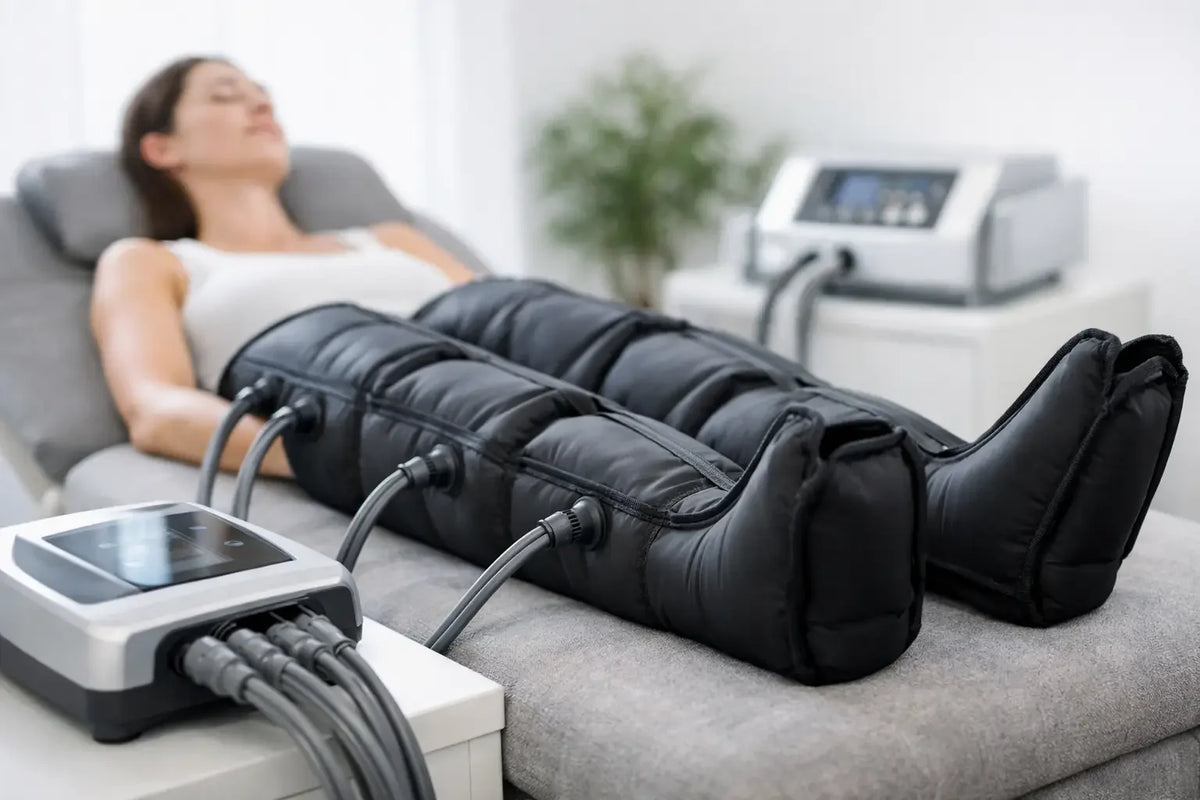
Compression boots, sleeves, and full-body garments use air chambers that inflate and deflate in a programmed sequence. The sensation is controlled, rhythmic pressure, typically beginning farther from the torso and moving inward. This can support temporary circulation, help relieve the feeling of heavy legs, and encourage post-exercise relaxation.
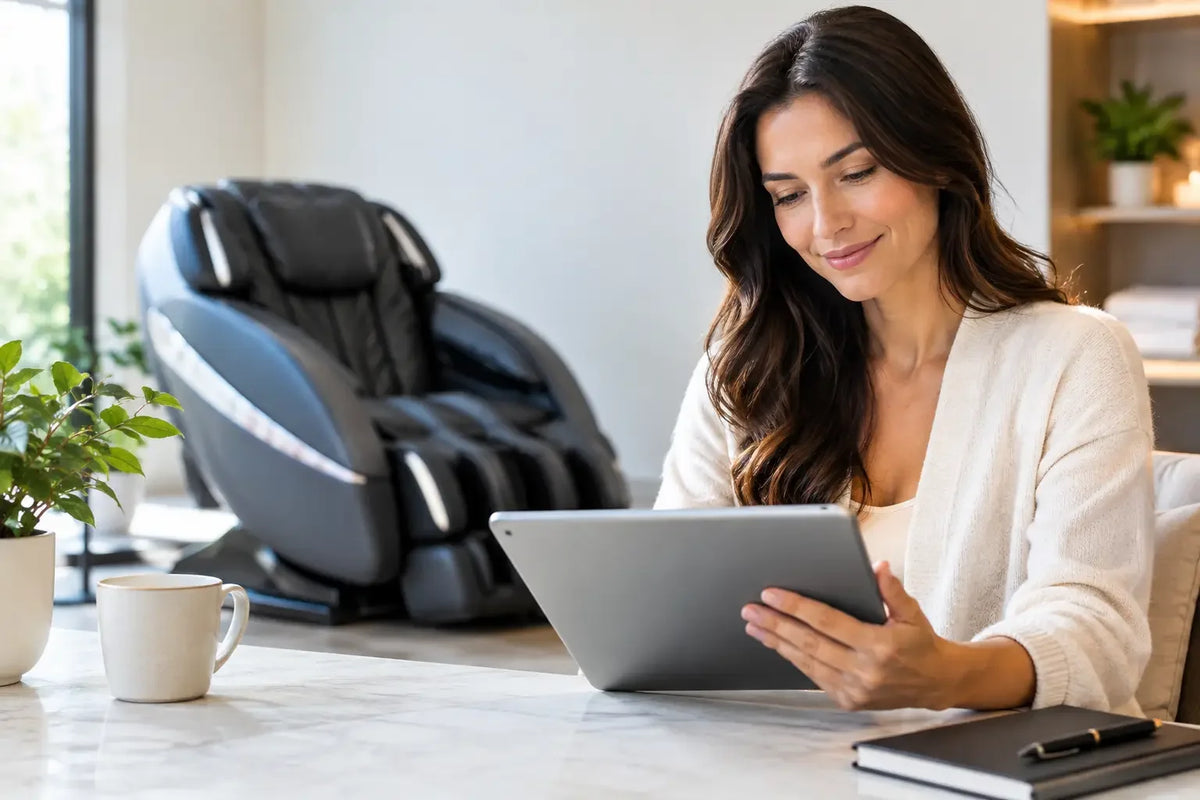
For most private home recovery suites, pneumatic compression is the most approachable entry point. It is compact, simple to use, and easy to pair with), red light therapy a massage chair, or an infrared sauna routine. Advanced systems offer adjustable pressure, zone control, multiple programs, and garments designed for legs, hips, arms, or the abdomen.
More pressure is not automatically better. The best setting is one that feels secure and restorative, not painful, numb, or aggressively constricting. A premium system should offer enough control to accommodate a recovery day, a travel day, and a more demanding athletic protocol without forcing every user into the same intensity.
Mechanical Massage and Vacuum-Based Systems
Some body-contouring and spa platforms use rollers, suction, or mechanical massage to mobilize superficial tissue. These systems are often selected for aesthetic wellness environments because they can complement goals related to the temporary appearance of smoothness, tone, and reduced puffiness while delivering a deeply tactile treatment experience.
This category requires more discernment than a pair of compression boots. Results depend on the technology, treatment frequency, operator technique, hydration, movement, and the client's underlying tissue characteristics. For commercial applications, equipment selection should account for staff training, sanitation workflow, room size, client turnover, and whether the system is intended as a recovery service, an aesthetic add-on, or both.
Heat-Enhanced and Multi-Modality Platforms
Certain technologies combine compression or massage principles with infrared heat, red light, electromagnetic stimulation, or other modalities. The appeal is efficiency: one appointment can become a more complete ritual for relaxation, circulation support, and post-training comfort.
The trade-off is complexity. A multi-modality device can be an exceptional centerpiece in a luxury wellness sanctuary, but it requires more space, a greater budget, and clearer operating protocols. It should complement the room's overall purpose rather than become an expensive feature used only occasionally.
How to Choose the Right System
Start with the experience you want to create. If your priority is athletic recovery, travel-related leg fatigue, or a simple daily decompression practice, high-quality compression boots may provide the clearest value. They are discreet enough for a bedroom, office, or media room and can be used while reading, working, or unwinding after training.
If appearance-driven body care is central to your goals, a professional-grade body-contouring platform may be more appropriate. These systems are better suited to dedicated treatment rooms where privacy, trained use, and appointment consistency are part of the experience. The equipment should support an elevated service standard, not imitate a clinical environment without the proper oversight.
For hospitality, development, and fitness projects, think beyond the individual machine. The strongest wellness amenities are designed as a sequence: heat, cold, light, compression, hydration, and rest. A guest who moves from a sauna or cold plunge into a quiet compression lounge receives a far more memorable experience than a guest presented with disconnected equipment in a crowded room.
When comparing models, evaluate pressure customization, garment quality, ease of cleaning, noise level, controls, warranty coverage, electrical requirements, and the availability of replacement parts. For commercial settings, also consider delivery access, freight coordination, staff orientation, and installation planning. Beautiful equipment is only truly luxurious when it performs reliably and fits the environment with precision.
Building a Recovery Ritual Around Compression
A lymphatic-supportive routine does not need to be elaborate. Consistency matters more than spectacle. A practical at-home sequence may begin with water and a brief walk, followed by 20 to 40 minutes in compression boots. Some clients prefer to use compression after training; others reserve it for evening recovery, especially after travel or long workdays.
Pairing should be intentional. Light movement before compression can be useful because muscle contractions naturally support fluid movement. Infrared sauna sessions may complement relaxation and a sense of release, but heat also increases fluid loss, so hydration is essential. Red light therapy can fit into the same recovery window when the goal is a calm, efficient routine, though each modality should be used according to its own guidance.
Avoid turning recovery into a performance contest. If a session leaves you uncomfortable, lightheaded, or unusually sore, shorten it, reduce the setting, or stop. The standard is not intensity. It is whether the ritual helps you return to your day feeling restored, composed, and ready to perform.
When to Get Medical Guidance First
Compression and lymphatic-focused equipment are not appropriate for everyone. Anyone with diagnosed lymphedema, a history of blood clots or deep vein thrombosis, significant vascular disease, uncontrolled high blood pressure, heart failure, active infection, unexplained swelling, neuropathy, or recent surgery should speak with a qualified healthcare professional before use.
Pregnancy, cancer treatment, and post-procedure recovery also call for individualized clinical advice. If swelling appears suddenly, affects only one limb, is painful, or comes with shortness of breath or chest pain, seek urgent medical evaluation rather than attempting self-treatment.
This is where thoughtful curation matters. The most elevated wellness environments do not promise everything to everyone. They offer exceptional tools, clear guidance, and the confidence to know when personalized medical care belongs in the conversation.
A Better Standard for Wellness Spaces
Lymphatic drainage technology is most valuable when it removes friction from recovery. It gives the executive a quiet reset between flights, the athlete a more consistent post-training practice, and the spa guest a treatment that feels considered from first touch to final moment of rest.
At Luxe Vida Wellness, that philosophy extends beyond selecting premium equipment. A recovery suite should be specified around the people who will use it, the space it occupies, and the standard it is meant to uphold. Choose technology that invites regular use, feels exceptional in the room, and makes restoration a natural part of how you live.
Ready to build your recovery ritual around real technology, not guesswork? Explore our Compression & Recovery collection, or request a quote — our team can help you choose the right system for your space, your goals, and the way you actually recover.