Luxury Development Sauna Examples That Sell
Luxury development sauna examples are no longer limited to a cedar room beside a resort locker area. In premium residential, hospitality, and private-club projects, the sauna has become a visible expression of how a property cares for its residents, guests, and members. Done well, it gives people a reason to stay longer, recover better, and view wellness as part of the address itself.
The difference is not simply a larger cabin or a more expensive heater. A luxury sauna earns its place through thoughtful positioning, material restraint, reliable performance, and a ritual that feels private even within a shared setting. For developers and designers, the strongest concepts connect heat therapy to the broader experience of the property: movement, water, rest, social space, and daily recovery.
Why Saunas Have Become a Development Differentiator
A polished fitness center is expected in a high-end building. A dedicated recovery environment changes the conversation. It signals that the amenity program was designed for real life after a long flight, a demanding workday, a hard training session, or a restless night.
Saunas also serve a broad audience without feeling generic. The executive who values quiet stress relief, the athlete managing sore muscles, and the wellness-minded resident building a better sleep routine can all use the same space for different reasons. That versatility gives a sauna more staying power than a trend-led amenity that photographs well but receives little repeat use.
The business case depends on the asset class. In a condominium or luxury multifamily project, the sauna can support premium positioning and resident retention. In hospitality, it can extend the value of a spa, fitness floor, or suite category. At a private club, it creates a natural recovery ritual around golf, racquet sports, strength training, and social membership. The common thread is emotional: heat makes a property feel restorative, not merely well equipped.
Luxury Development Sauna Examples With Real Pull
1. The residential recovery suite
Picture a penthouse amenity level where the sauna sits beyond a quiet stretch room and cold-plunge zone. The sauna is not hidden in a locker room. It is framed as the warm center of a private recovery suite, with softly lit stone, warm timber, towel service, hydration, and a lounge area where residents can decompress before returning to the city.
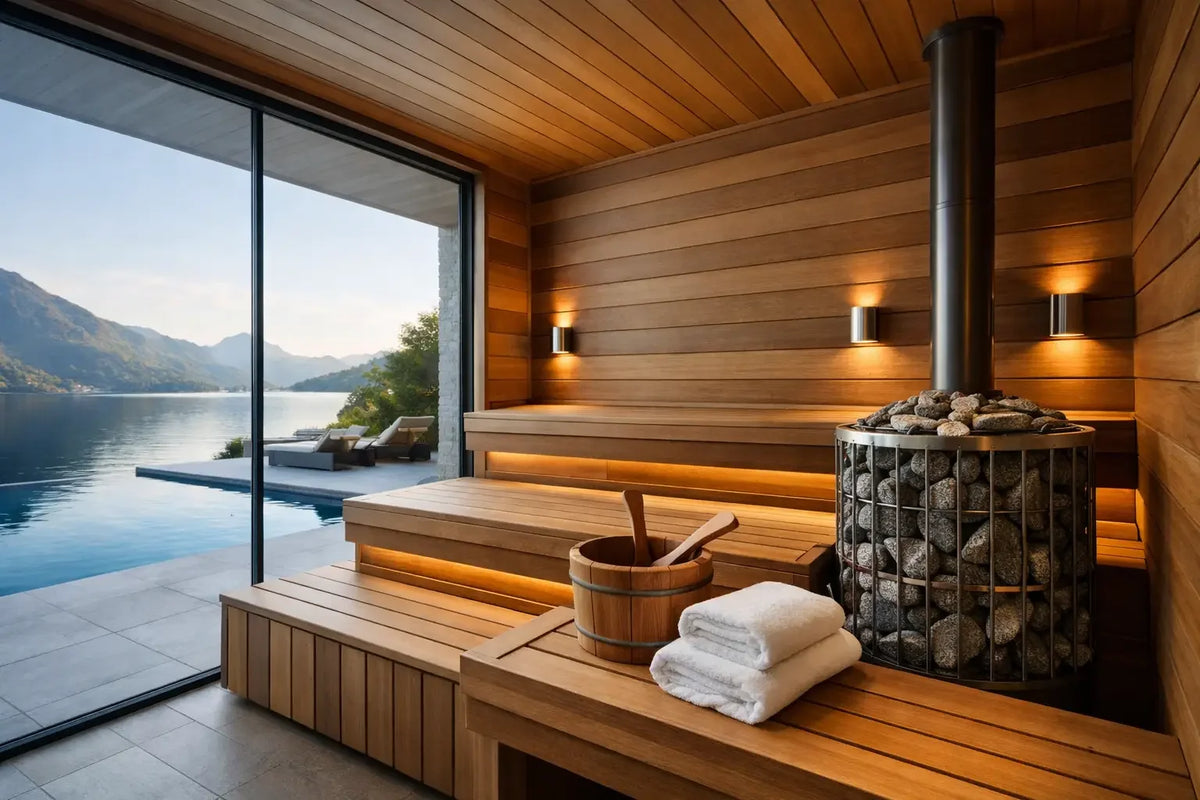
This model works especially well in urban condominiums and high-rise rentals where residents may not have space for a personal wellness room. A glass-front traditional sauna can create visual impact, but privacy must be considered. Etched lower panels, strategic sightlines, and a vestibule can preserve the architectural statement without making users feel displayed.
For a smaller footprint, an infrared sauna may be the more practical choice. It can deliver a refined, individual or two-person ritual with less infrastructure than a larger wet sauna. The trade-off is capacity and atmosphere: infrared is ideal for private, personalized use, while a traditional sauna often creates a stronger shared amenity experience.
2. The boutique hotel thermal circuit
A luxury hotel does not need a vast destination spa to create a memorable heat experience. A well-composed thermal circuit can begin with a compact traditional sauna, continue to a cold plunge or contrast shower, and end in a low-lit relaxation room. The transition between each element matters as much as the equipment itself.
Here, material selection should feel aligned with the property rather than copied from a generic spa. A mountain lodge may lean into clear cedar, dark stone, and views of the landscape. A coastal resort may favor pale woods, honed limestone, and quiet natural light. In a city hotel, bronze-toned details and darker timber can create an intimate, after-hours mood.
Operationally, hotels need finishes that tolerate frequent use and a layout that housekeeping can service efficiently. Durable benches, accessible floor drainage, practical storage for linens, and clear controls protect the guest experience long after opening day. Luxury is diminished quickly when a sauna is beautiful but unavailable, poorly maintained, or confusing to operate.
3. The members-only athletic club
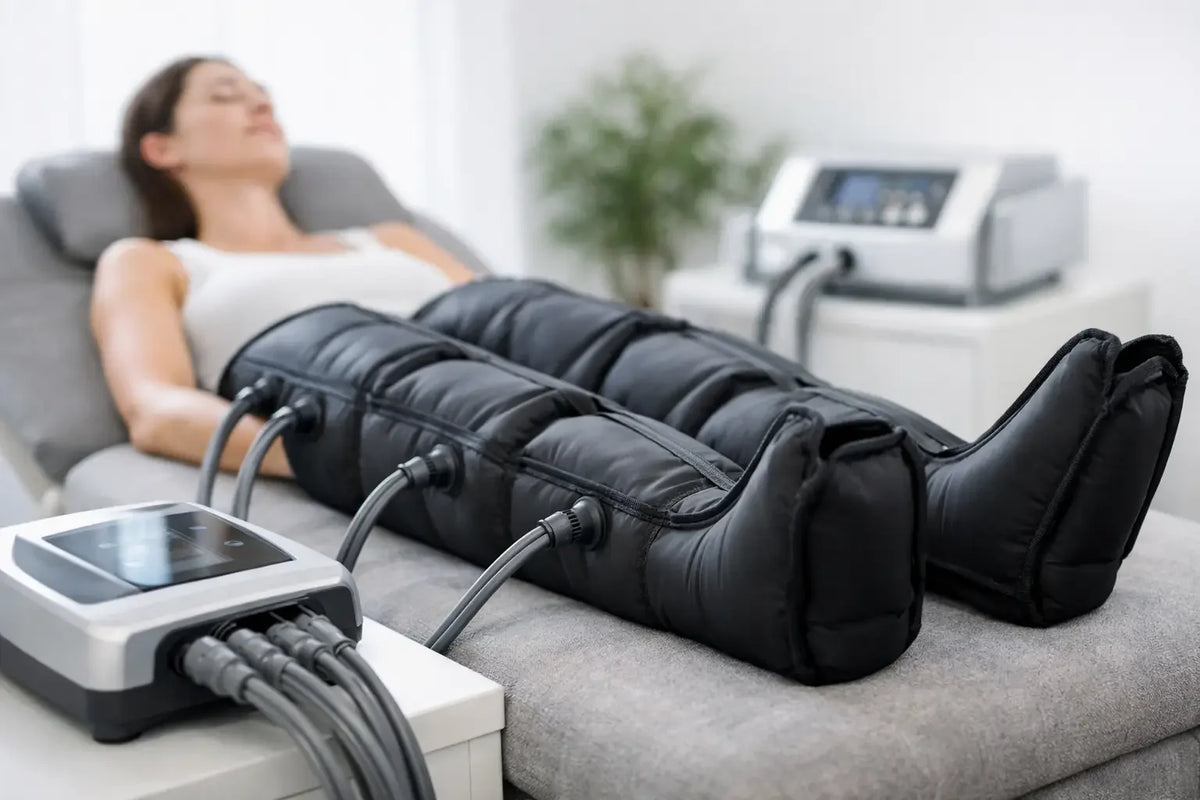
For an athletic club, the sauna should sit at the end of a recovery sequence rather than operate as a decorative add-on. Place it near strength training, treatment rooms, compression therapy, or contrast equipment so members can move naturally from exertion into restoration. This arrangement encourages repeat use and strengthens the club's position as a performance destination.
larger traditional sauna with tiered benches is often the right answer for this setting. It accommodates post-training traffic, creates a sense of community, and provides the classic heat experience many members expect. A separate infrared cabin can complement it for members who prefer a lower-temperature, more private session.
The design should still feel elevated. Commercial durability does not require a clinical appearance. Consider integrated lighting beneath the benches, clean-lined wood paneling, concealed speakers where appropriate, and an exterior that carries the club's design language. The space should say serious recovery, not crowded locker room.
4. The private wellness floor in a luxury residence
The most exclusive sauna example may be the one no other resident can access. In a custom home, a dedicated wellness floor can pair a sauna with a cold plunge, red light therapy, massage, and a private shower suite. This is not about recreating a public spa at home. It is about removing friction from a daily recovery practice.
A homeowner who trains before work may want an infrared sauna close to a home gym for fast, repeatable sessions. A family that entertains or enjoys long evening rituals may prefer a traditional sauna with generous benching, a view window, a view window, and a place to cool down nearby. Neither choice is inherently more luxurious. The right choice reflects how the space will actually be used.
Custom residential projects also allow for details that make the experience personal: wood species selected to match millwork, integrated aromatherapy planning, dimmable lighting scenes, and controls positioned for effortless use. Luxe Vida Wellness can support this level of specification with curated equipment sourcing, project coordination, delivery planning, and installation support.
Design Decisions That Separate Signature Saunas From Standard Amenities
The best sauna rooms are composed around proportion and recovery flow. A room that technically fits six people can still feel cramped if the entry interrupts the bench layout or if users have nowhere to set a towel, water, or phone outside the heat. Begin with the ritual: arrival, changing, heating, cooling, hydration, and rest.
Traditional saunas require careful planning for heater clearance, electrical load, ventilation, waterproofing, and floor drainage. These are not details to resolve after finishes are selected. Engage the sauna supplier, architect, MEP team, and contractor early so the room performs as beautifully as it looks. Infrared installations are generally simpler, but they still need appropriate electrical planning, service access, and enough clearance for comfortable entry and maintenance.
Material choices deserve the same discipline. Natural wood remains central to the sauna experience, but the species, profile, and finish should suit heat exposure and the project aesthetic. Glass can open a room visually, though too much transparency may compromise privacy and heat retention. Stone adds weight and refinement in adjacent wet areas, but it should not overwhelm the warmth that makes a sauna inviting.
Lighting should be indirect, warm, and quiet. Bright ceiling fixtures flatten the mood and make an otherwise exceptional room feel institutional. A layered approach works best: concealed bench lighting for orientation, wall washing for atmosphere, and practical task lighting outside the cabin for grooming and service.
Build for Use, Not Just the Rendering
A sauna amenity performs best when the specification matches expected traffic. A boutique hotel with 100 rooms, a 40-unit condominium, and a members club with peak evening demand should not receive the same cabin size or heat system. Capacity, operating hours, cleaning routines, and local code requirements all shape the right answer.
Developers should also decide early whether the sauna is intended as a standalone amenity or part of a complete wellness environment. A single well-designed sauna can be compelling. Yet when it is paired with cold therapy, red light, recovery seating, and thoughtful circulation, it becomes a destination within the property. That is where strength and serenity exist in harmony.
The most persuasive sauna is not the largest one in the market. It is the room residents and guests quietly build into their week because it feels considered, restorative, and entirely worth returning to.
Planning a wellness amenity for your next development? Explore our full Saunas collection to compare capacity, wood species, and heat type across our catalog, or request a quote — our team supports architects, developers, and hospitality groups with equipment sourcing, project coordination, and installation planning from concept through opening day.