Cold Plunge Versus Cryotherapy for Recovery
A five-minute recovery ritual can look very different depending on the equipment behind it. In the cold plunge versus cryotherapy decision, both modalities deliver an intense cold stimulus, but they create different experiences, demand different spaces, and suit different lifestyles. For a private home sanctuary, an elite training facility, or a hospitality wellness suite, the right choice is less about which option is universally better and more about how recovery needs to live within the rhythm of your day.
Cold Plunge Versus Cryotherapy: The Essential Difference
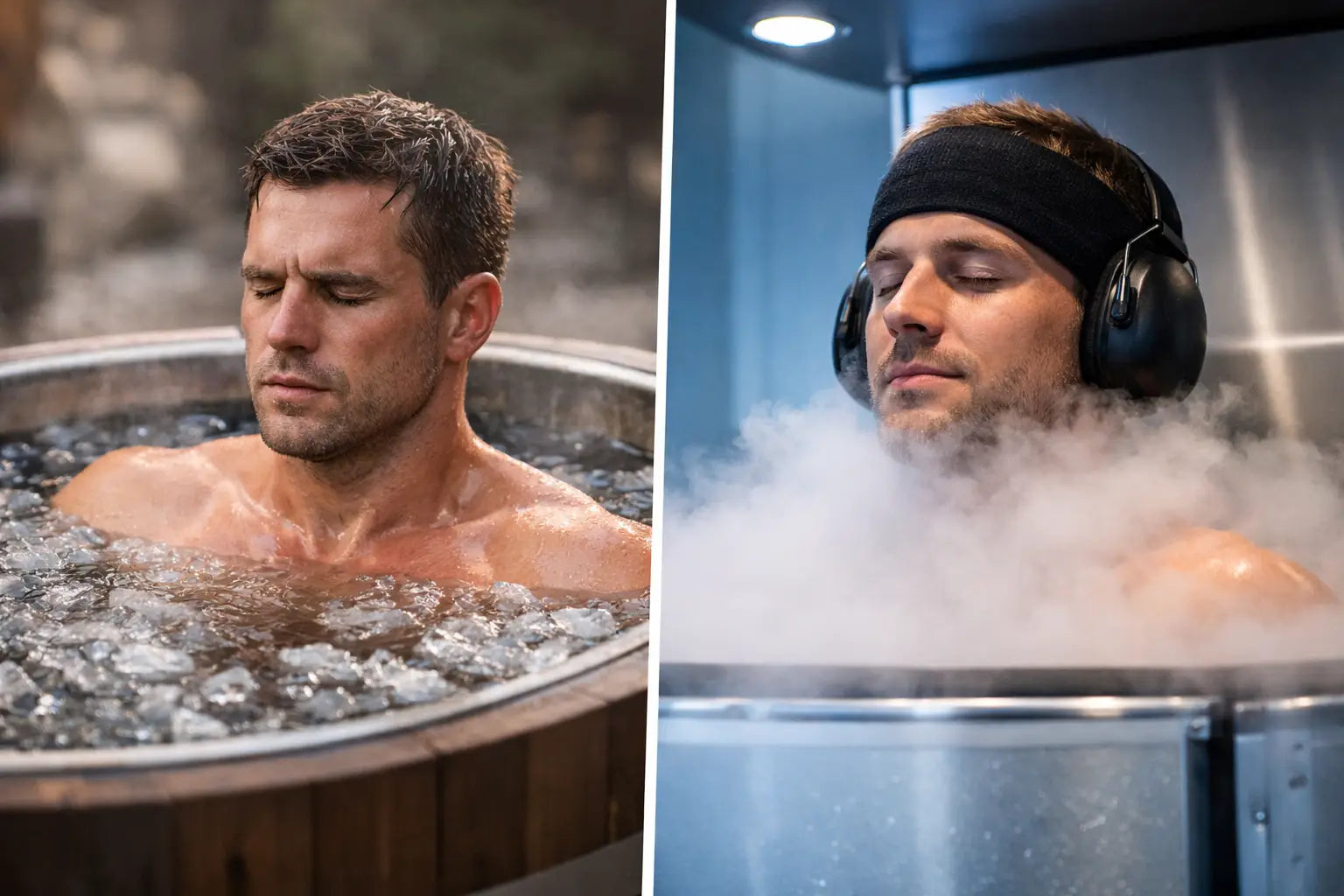
A cold plunge immerses the body in chilled water, typically from the neck down. The water conducts heat away from the body efficiently, creating a full-body exposure that is physical, immersive, and unmistakably ritualistic. Depending on the system and the user’s tolerance, sessions commonly last several minutes.
Whole-body cryotherapy uses extremely cold, dry air within a specialized chamber or cabin. A session is considerably shorter, often around two to three minutes. The sensation is sharp and invigorating rather than enveloping. Because the air is dry, the cold does not transfer through the body in the same way as water, even when the chamber temperature is dramatically lower.
This distinction shapes nearly every practical consideration. A plunge is an intimate, water-based recovery practice with a measured pace. Cryotherapy is a rapid, high-impact treatment that can move efficiently through a busy schedule or a commercial client flow. Both can support a premium recovery routine, but they do not ask the same thing of the user or the space.
What Each Modality May Support
Cold exposure is commonly used to help manage the feeling of post-training soreness, create a powerful sense of alertness, and encourage a reset after demanding physical or mental output. Many clients also value the ritual itself: stepping away from screens, controlling the breath, and meeting discomfort with intention. That discipline can be as meaningful as the cold.
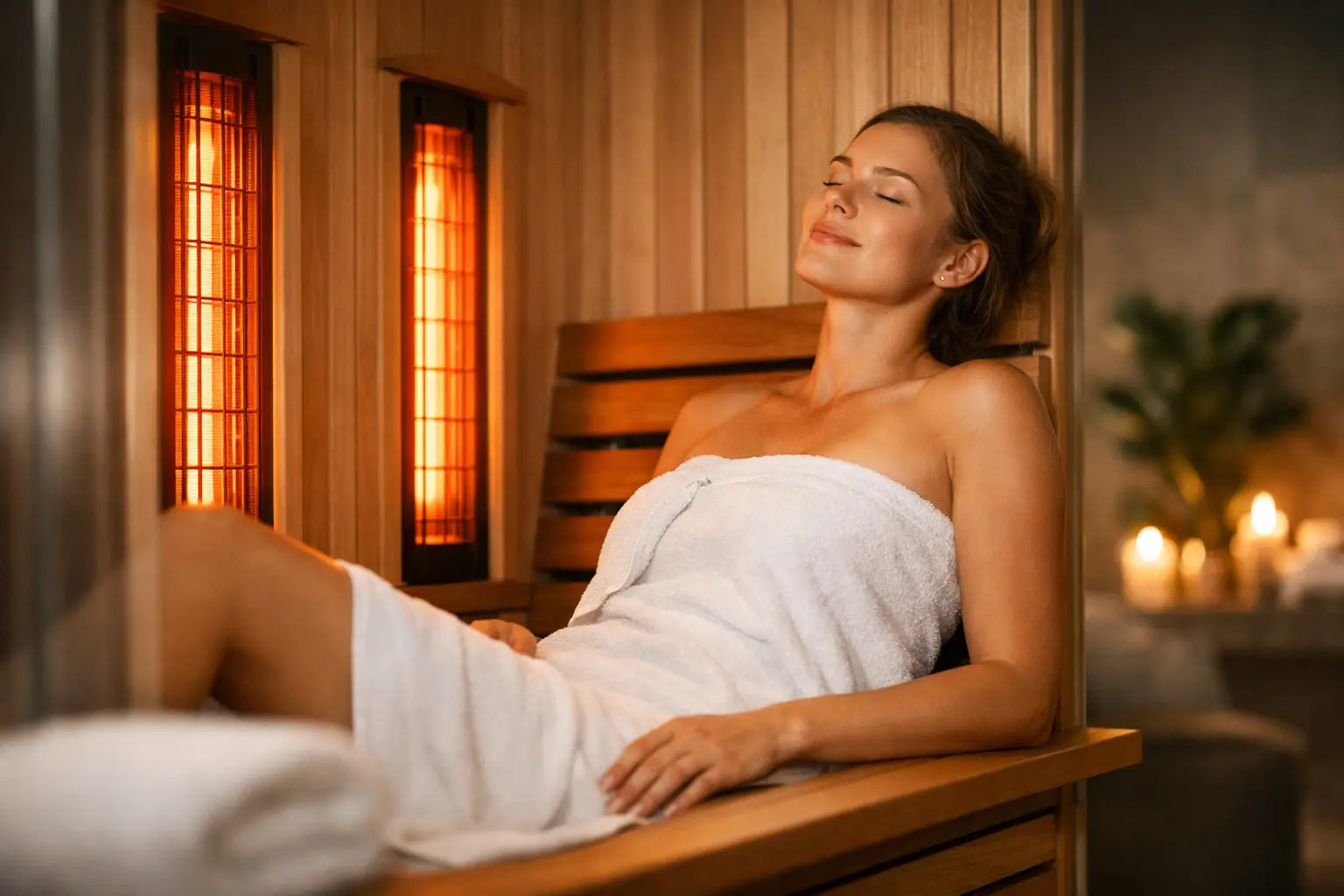
A cold plunge is especially compelling for people who want an unhurried, repeatable practice at home. The combination of water, controlled breathing, and a private setting can make it feel like a daily ceremony rather than another appointment on the calendar. Paired with a sauna, it creates a [contrast-therapy environment] (https://luxevidawellness.com/blogs/news/infrared-sauna-benefits-recovery-sleep) where strength and serenity exist in harmony.
Cryotherapy is often chosen for speed and operational efficiency. Athletes, executives, and clients with tightly scheduled days may appreciate a session that delivers an immediate cold stimulus without showering, drying off, or managing a wet environment afterward. In a performance club, boutique studio, resort, or recovery suite, its short session format can support a polished, high-throughput guest experience.
Neither modality should be positioned as a cure for injury, chronic pain, or medical conditions. Research on cold exposure continues to evolve, and outcomes can vary with training load, timing, health status, temperature, and consistency. The best framing is practical: cold therapy may be a valuable recovery and wellness tool when it fits a broader plan that includes sleep, nutrition, intelligent training, and professional medical guidance when needed.
The Recovery Trade-Offs That Matter
The most meaningful difference is not simply temperature. It is contact, duration, and context. Water is a more efficient conductor of heat than air, so a cold plunge can feel deeply intense at temperatures that appear modest beside cryotherapy specifications. It also gives the user more time to settle into a controlled breath and a deliberate mental reset.
That longer exposure is an advantage for someone who values the ritual, but it can be a barrier for someone who wants recovery with minimal friction. Cryotherapy removes much of the preparation. Step in, complete a brief session, step out, and continue the day. For the client who travels frequently, trains between meetings, or operates at a relentless pace, that efficiency has real value.
Training goals also deserve nuance. Cold exposure immediately after resistance training may not be ideal for every person pursuing maximum muscle growth, since regular use directly after lifting could potentially interfere with some adaptation signals. That does not make cold therapy incompatible with strength training. It means timing matters. Many serious athletes reserve it for heavy conditioning phases, competition periods, significant soreness, or later in the day rather than treating it as an automatic post-lift habit.
For endurance athletes, high-volume training blocks, and people managing the physical demands of travel or long workdays, either option can be easier to integrate. The right cadence should reflect how you feel, what you are training for, and advice from qualified professionals who understand your health history.
Choosing for Your Home Sanctuary
A cold plunge is often the natural centerpiece of a residential recovery environment. It has visual presence, invites a daily ritual, and pairs beautifully with infrared or traditional sauna design. In a dedicated wellness room, covered patio, pool house, or spa-inspired primary suite, the plunge can become part of the architecture of a better day.
The ownership experience requires thoughtful planning. You will need suitable flooring, water access, drainage strategy, electrical requirements appropriate to the chosen unit, ventilation where needed, and enough clearance for comfortable service access. Filtration, sanitation, and regular water care are part of maintaining a pristine experience. Premium systems can reduce the maintenance burden, but water ownership is still water ownership.
Cryotherapy demands a different level of planning. Whole-body chambers are statement equipment, often best suited to larger homes, private performance facilities, and commercial environments where the session volume supports the investment. Power requirements, room dimensions, ventilation, manufacturer specifications, and installation coordination deserve attention early in the design process.
For the homeowner who wants the most frequent use with the least transition time, a cold plunge generally has the advantage. It is immediately available, familiar to guests, and naturally aligned with sauna contrast therapy. For the homeowner who prizes fast, dry sessions and wants a more clinical-performance aesthetic, cryotherapy may be the more compelling expression of a high-performance lifestyle.
Choosing for a Commercial Wellness Space
In commercial settings, the question becomes operational as well as experiential. A luxury hotel or destination spa may favor a cold plunge because it photographs beautifully, complements a thermal circuit, and creates a memorable guest ritual. A boutique athletic club may prefer cryotherapy when rapid appointments, polished treatment turnover, and a technology-forward offering are central to the model.
Staffing, cleaning protocols, guest education, liability procedures, and capacity all influence the equation. A plunge requires clear water-management standards and a reliable process between users. Cryotherapy requires trained operation and adherence to the chamber manufacturer’s safety procedures. Neither should be selected as an isolated feature. It should belong to a coherent wellness journey, whether that journey moves from sauna to cold, from training floor to recovery lounge, or from a treatment suite to a relaxation space.
This is where curated planning matters. Luxe Vida Wellness approaches recovery equipment as part of an environment, not a disconnected purchase. The visual language, traffic flow, utility planning, delivery path, and installation coordination should protect the client experience as carefully as the equipment selection itself.
Comfort, Safety, and Consistency
The best recovery modality is one you can use consistently and safely. Cold exposure is not appropriate for everyone, particularly those with certain cardiovascular conditions, uncontrolled high blood pressure, circulation concerns, pregnancy, cold-related disorders, or a history of fainting. People with medical conditions or medication considerations should consult a qualified clinician before beginning cold therapy.
Never treat cold as a test of toughness. Start conservatively, avoid going alone when you are new to the practice, and stop if you experience dizziness, chest discomfort, confusion, severe shivering, numbness, or unusual pain. Alcohol, dehydration, and exhaustion are poor companions for an intense cold session.
Comfort also influences consistency. Some people find water immersion grounding and energizing. Others dislike the wet transition and will use dry cryotherapy far more often. That preference is not trivial. A beautiful recovery room only delivers value when it supports a ritual you are genuinely willing to keep.
Make the Choice That Fits Your Standard
Choose a cold plunge when you want immersive contrast therapy, a visually striking home ritual, and the quiet satisfaction of a few intentional minutes in the water. Choose cryotherapy when speed, dry convenience, and a high-performance treatment format matter most. For expansive wellness environments, there is also a strong case for both: the plunge for depth and ritual, the chamber for efficiency and choice.
The finest recovery spaces are not built around the most dramatic specification. They are built around the moments you want to protect: the reset after a red-eye flight, the calm after a demanding board meeting, the recovery window after training, and the private discipline that keeps ambition sustainable. Choose the cold experience that makes those moments easier to honor.
Not sure which cold therapy fits your space?
Whether it's a plunge, a chamber, or both, the right choice comes down to your room, your routine, and how you actually want recovery to feel. Let's design your recovery space around the ritual that fits you best.