Red Light Versus PEMF: Which Fits Your Recovery?
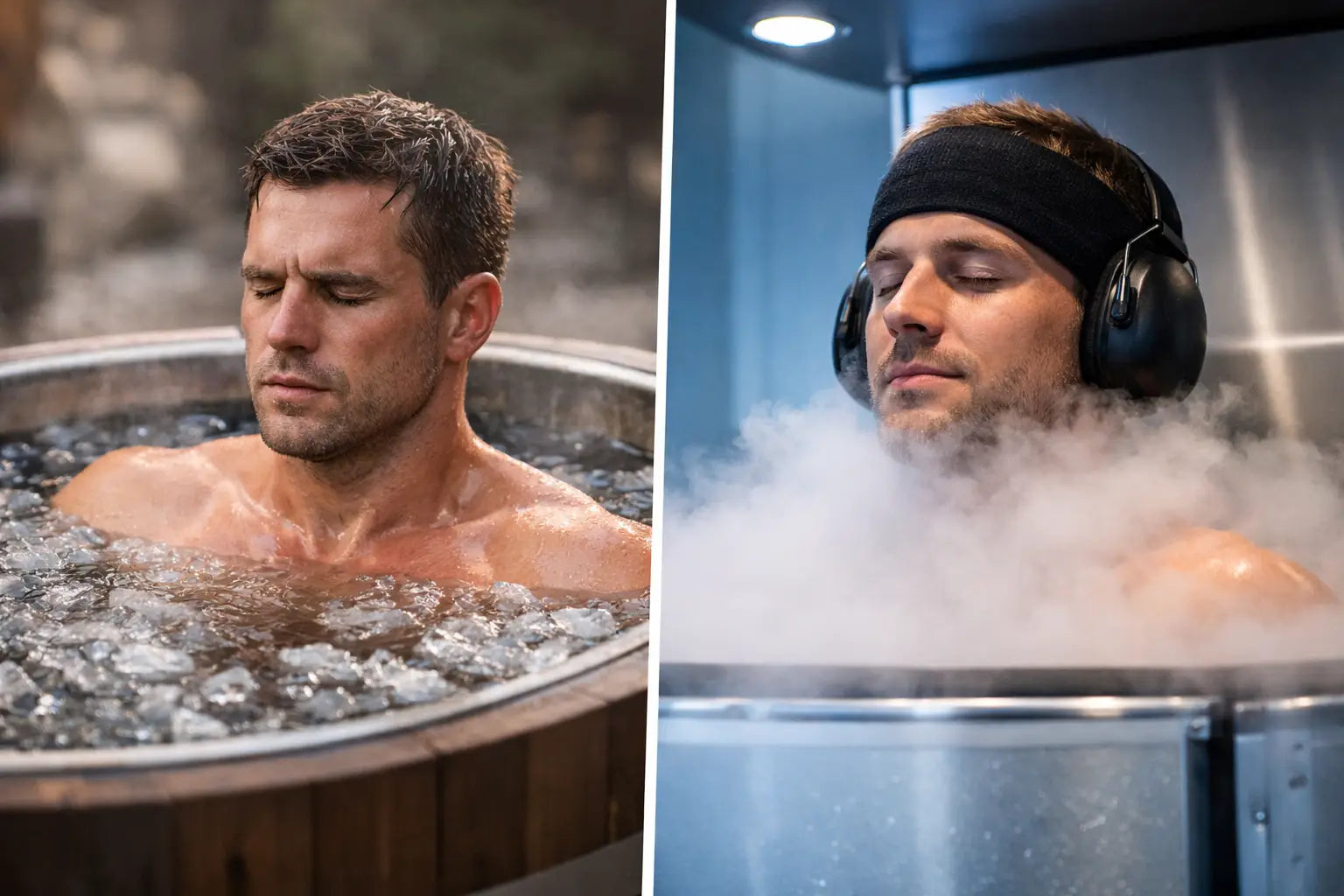
A hard training week, back-to-back flights, and a calendar that does not leave room for downtime demand more than a foam roller in the corner. The question of red light versus PEMF is not really about choosing the more impressive-looking device. It is about selecting the modality that supports the way you want to feel, perform, and recover in the hours between everything else.
Both belong in a thoughtfully designed recovery environment. Red light therapy is often chosen for its calming, visible ritual and its focus on skin, superficial tissue, and post-training recovery. PEMF or pulsed electromagnetic field therapy, is frequently valued for a fully clothed, low-effort session that supports relaxation, circulation, and whole-body recovery. They are different technologies with different strengths, and for many high-performing households, they work best together.
Red Light Versus PEMF: The Essential Difference
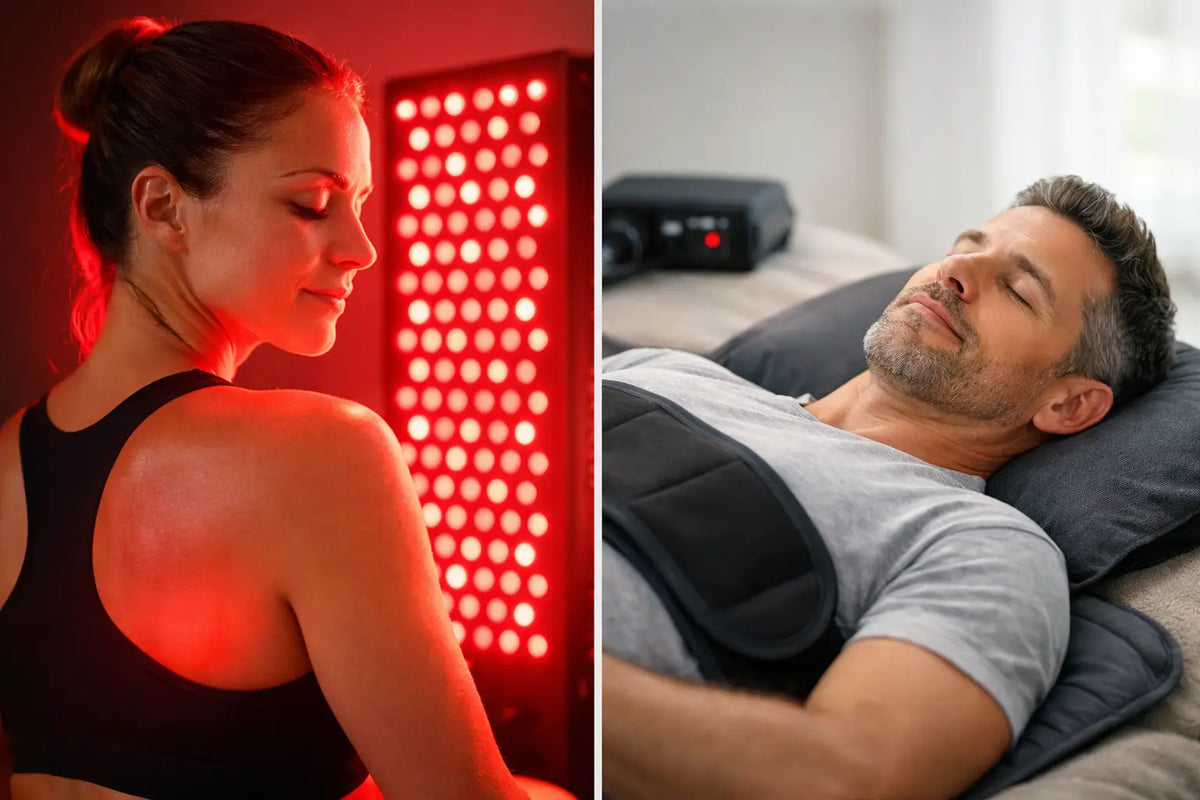
Red light therapy uses specific wavelengths of red and near-infrared light. The light is delivered through panels, beds, or targeted devices and is absorbed by tissue at varying depths. This process is commonly called photobiomodulation. Researchers continue to study how it may influence cellular signaling, circulation, inflammation pathways, and energy production within cells.
PEMF uses pulsed electromagnetic fields rather than light. A mat, pad, chair attachment, or full-body system sends controlled electromagnetic pulses through the body. The experience is usually quiet and almost imperceptible. Depending on the device and program, a session may feel like an intentional pause: lie down, breathe, and let the day settle.
The practical distinction is simple. Red light is generally a direct, exposed-skin treatment. You stand or lie near a light source, often wearing minimal clothing and using eye protection when specified by the manufacturer. PEMF is generally used fully clothed and without light exposure. It can be easier to incorporate when privacy, convenience, or a more restorative atmosphere is the priority.
Neither modality should be framed as a replacement for medical care, rehabilitation, sleep, nutrition, or intelligent training. Premium recovery equipment earns its place by making supportive practices more consistent, not by making exaggerated promises.
When Red Light Therapy Makes More Sense
Red light therapy is a natural fit for the client who wants a highly visible recovery ritual with aesthetic appeal. A full-body panel or bed can become the anchor of a private performance suite, especially when paired with a cold plunge, sauna, or compression system. The warm glow feels intentional, architectural, and distinctly unlike a conventional fitness-room accessory. Luxury in every ray is not only about appearance. It is about creating a ritual you will actually return to.
From a performance perspective, red and near-infrared light are commonly used around demanding training blocks to support muscle comfort and recovery. Many users also choose it for skin-focused goals, including the appearance of tone, texture, and overall radiance. Those are separate considerations, and the device configuration matters. A panel designed for broad body coverage is not automatically the same as a facial-focused system, even when the core technology overlaps.
Red light is especially compelling if your goals include a combination of recovery and appearance. It can serve the athlete who wants a more refined post-workout routine, the executive who values a calmer transition into evening, and the homeowner building a wellness sanctuary that looks as elevated as it feels.
Its trade-off is that technique matters. Distance from the device, treatment time, wavelength range, irradiance, and treatment area all influence the experience. More intensity is not always better, and longer sessions are not automatically more effective. Quality equipment should make protocols clear rather than ask the owner to guess.
Consider red light first if you value:
A visually elevated daily ritual
Exposed-skin treatment
Support for post-exercise comfort
A dual focus on performance recovery and skin appearance
A wellness room that feels like a private spa rather than a utility space
When PEMF Is the Better First Choice
PEMF is often the more discreet modality. There is no brightness, no need to position yourself in front of a panel, and usually no need to change clothes. That ease can be decisive for people managing demanding schedules, jet lag, high training volume, or the accumulated tension of leadership and travel.
A PEMF session can be built into the part of the day that is otherwise lost to scrolling or answering one last email. Twenty or thirty minutes on a premium mat can become a transition between work and sleep, a reset after a long flight, or a quiet recovery session on a lower-activity day. For clients who struggle to sit still, the lack of sensory demand can be a genuine advantage.
PEMF is frequently selected for general relaxation, a sense of physical ease, and recovery support. Some devices offer multiple programs or field settings, but sophisticated equipment is not defined by a long menu alone. It should offer a comfortable surface, reliable controls, clear instructions, and a form factor that fits the room and the ritual. A mat that lives folded in a closet is less valuable than a system integrated into a lounge chair, massage room, or dedicated recovery suite.
PEMF can also suit commercial spaces where guests need a simple, approachable experience. In a boutique hotel, private club, athletic facility, or residential amenity suite, a well-appointed PEMF station may feel less intimidating than a technology that requires changing attire or understanding light-treatment positioning.
Consider PEMF first if you value:
A fully clothed session
Quiet relaxation
Low-friction daily use
An easy addition to a bedroom, office, massage room, or hospitality wellness area
A modality you'll actually stick with, since it asks so little of you in the moment
How to Choose for Your Goals and Space
The right purchase starts with behavior, not a spec sheet. Ask when the equipment will be used and what must happen immediately before and after it. If your realistic window is ten minutes after strength training, a red light panel placed near your gym may be ideal. If your best opportunity is thirty minutes before bed, a PEMF mat beside the primary suite may have greater long-term value.
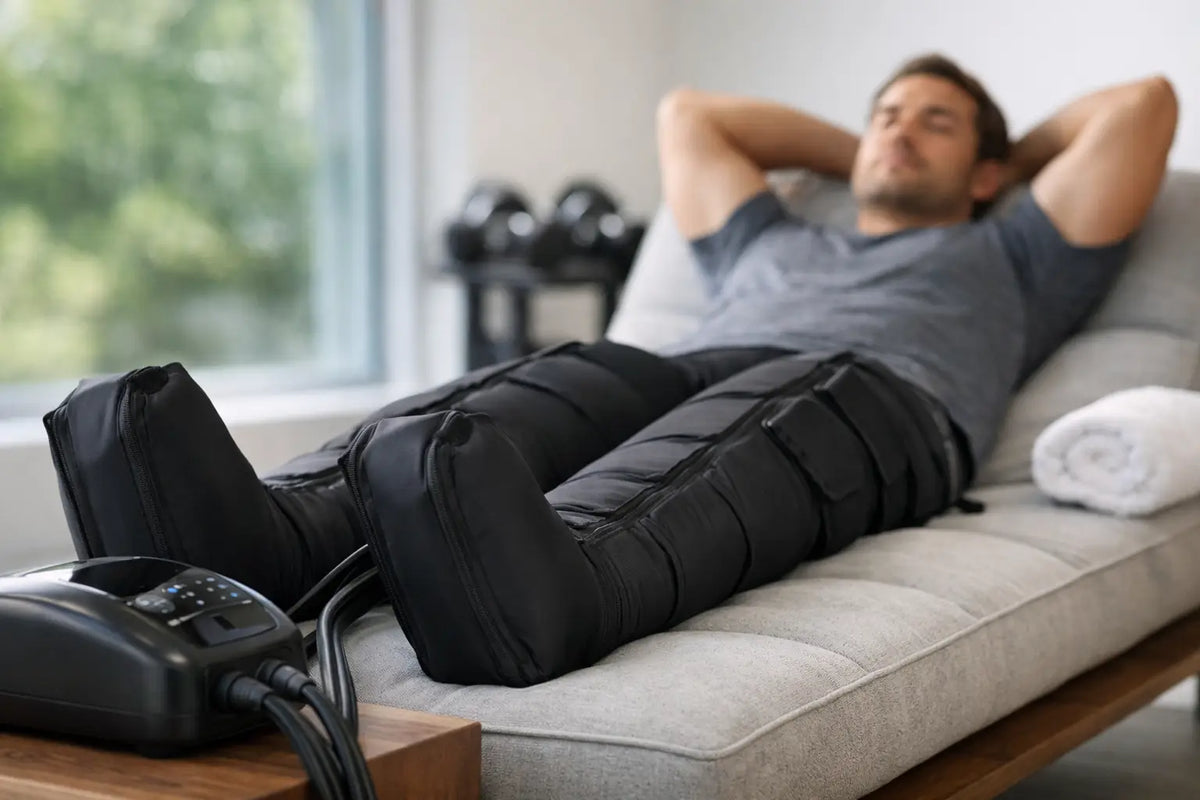
For a training-focused recovery room, red light pairs naturally with compression boots, cold therapy, and infrared heat. The environment can support a deliberate sequence: train, cool down, use compression, then transition into light or heat based on preference and programming. The order is personal, and the best routine is one that is comfortable enough to repeat.
For stress management and evening restoration, PEMF often integrates more naturally with massage seating, breathwork, and a lower-light environment. It complements the atmosphere of strength and serenity existing in harmony. A client does not need to choose between performance and calm when the room is designed to support both.
Aesthetic and spatial constraints matter as well. Full-body red light beds and panels make a stronger visual statement and require proper placement, power planning, and room circulation. PEMF systems can be more understated, but premium full-body models still deserve a purpose-built location instead of an afterthought. In larger residential or commercial projects, planning these systems alongside lighting, flooring, electrical access, ventilation, and furniture produces a more polished result.
Can You Use Red Light and PEMF Together?
Yes, many people include both in the same broader recovery plan because the modalities are not duplicates. Red light offers a more active, sensory treatment with visible light exposure. PEMF offers a passive, grounded experience that can be easier to use at rest. One may be better after training; the other may become an evening ritual. There is no universal sequence that makes sense for every person or device.
Start conservatively. Follow the manufacturer’s treatment guidance, introduce one modality at a time when possible, and pay attention to sleep, comfort, skin response, and how you feel after training. Consistency over several weeks is more useful than a single marathon session.
Safety and Smart Ownership
Premium equipment should come with equally premium diligence. For red light, follow guidance on eye protection, treatment distance, and session duration. Anyone using medications that increase light sensitivity, or managing a skin or eye condition, should speak with a qualified clinician before beginning a protocol.
For PEMF, consult a clinician before use if you have an implanted electronic medical device, such as a pacemaker or insulin pump, or if you are pregnant. Individual devices may have additional contraindications, so the manufacturer’s instructions are part of the ownership experience, not fine print.
The most refined recovery space is not the one with the most equipment. It is the one that removes friction from the practices that keep you capable, composed, and ready for what is next. Choose red light, PEMF, or both based on the ritual you can protect on your calendar - then give that ritual a place worthy of it.
For more, see what to know before buying a red light therapy device, whether PEMF supports better sleep, and whether PEMF actually improves recovery.
Ready to bring red light, PEMF, or both into your space? Request a quote and let's design a recovery ritual around how you actually live.