PEMF Therapy for Sleep: Benefits and How It Works
A demanding calendar does not end when the lights go out. The body may still be carrying the elevated heart rate of a late workout, the mental residue of a board meeting, or the physical tension of travel. PEMF therapy for sleep has become part of the conversation for people who want their bedroom to do more than look refined - they want it to support genuine recovery.
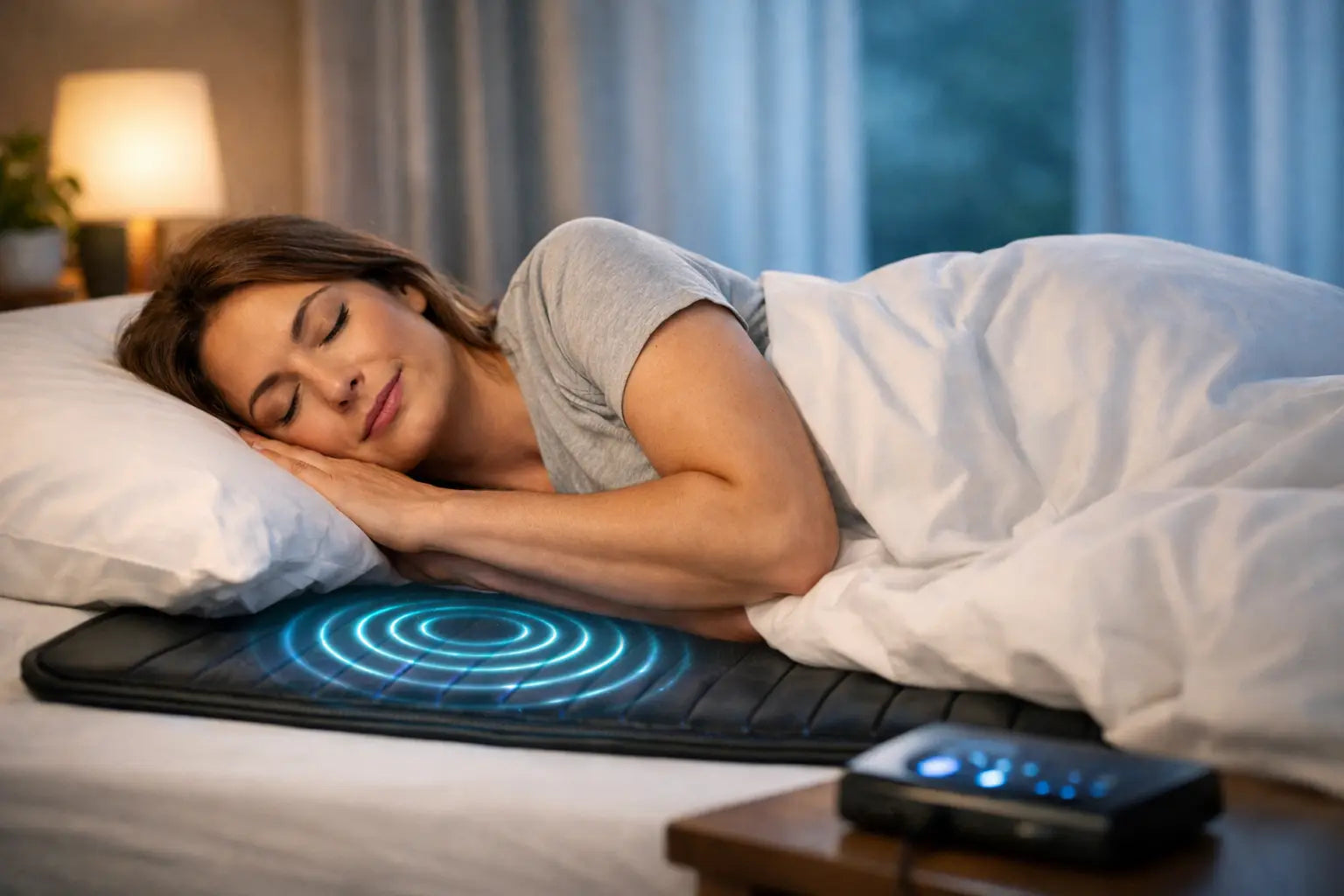
Pulsed electromagnetic field, or PEMF, technology delivers low-frequency electromagnetic pulses through a mat, pad, or targeted applicator. It is used in wellness settings to support relaxation, circulation, and recovery. For sleep, the appeal is straightforward: a quiet, low-effort modality that can become part of an intentional wind-down ritual, without adding another screen, supplement, or demanding protocol to the evening.
That appeal deserves a clear-eyed view. PEMF is not a cure for insomnia, and it should not replace clinical care for persistent sleep disruption, sleep apnea, depression, chronic pain, or other underlying concerns. It may, however, be a valuable layer in a well-designed recovery environment for the right person.
Why PEMF Therapy for Sleep Appeals to High Performers
Sleep quality is rarely determined by one choice. It reflects the accumulated effect of stress, exercise load, caffeine timing, light exposure, room temperature, pain, and nervous-system activation. For executives, athletes, and frequent travelers, the problem is often not a lack of appreciation for sleep. It is difficulty transitioning from high output to genuine rest.
A PEMF session creates a defined pause. You lie down, step away from notifications, and let the body settle into stillness. That ritual alone can be meaningful, particularly for someone whose evenings tend to blur into one more email, one more task, or one more training metric.
Users commonly pursue PEMF as part of a broader effort to feel less physically wound up before bed. After strenuous training or long hours seated in transit, a body that feels more comfortable may be easier to settle. The technology is also attractive because a premium full-body mat can be used privately, in the comfort of a primary suite, recovery room, or dedicated home wellness sanctuary.
The distinction matters: better sleep is not always about forcing sleep. Often, it is about removing enough friction that the body can do what it is designed to do.
What the Research Can and Cannot Say
PEMF technology has been studied across several health and rehabilitation contexts, including bone healing and certain pain-related applications. Research specifically focused on consumer PEMF use for sleep is still developing, and study designs, frequencies, intensities, and treatment schedules vary substantially.
Some preliminary research and user experience suggest that electromagnetic-field therapies may influence relaxation, discomfort, stress perception, or autonomic nervous-system activity - factors that can affect sleep indirectly. But that is different from proving that a PEMF mat reliably treats insomnia or produces a specific amount of additional deep sleep for every user.
For a premium wellness buyer, that nuance is a strength, not a weakness. The most sensible expectation is not a miracle on the first night. Think of PEMF as a supportive recovery tool whose value may be most noticeable when it helps make a consistent evening routine easier to maintain.
Track the results that matter in real life: how long it takes you to feel settled, whether post-training discomfort is less distracting, how often you wake during the night, and how restored you feel in the morning. Wearable data can add context, but it should not become another source of performance pressure. A rising sleep score is welcome; feeling calm enough to sleep is the point.
Building a PEMF Sleep Ritual That Feels Effortless
The best evening protocol is one you will actually repeat. Many people begin with a 20- to 40-minute PEMF session in the hour before bed, using a gentle setting designed for relaxation. Device instructions should always guide session length and programming, since systems differ in output and available protocols.
Make the session part of a deliberate transition. Lower the lighting, place your phone outside the immediate sleep space, and keep the room comfortably cool. A warm shower, light mobility work, or a few pages of a book can pair naturally with the session. The goal is not to create an elaborate checklist. It is to give your nervous system a consistent signal that the day is complete.
Timing depends on individual response. Some users prefer PEMF after dinner or after training because it helps them create distance from the day. Others find a session immediately before bed most practical. If you notice that a particular program leaves you feeling energized rather than relaxed, move it earlier in the evening or choose a lower-intensity setting if your equipment offers one.
Consistency is more useful than intensity. Use the same general window for two to three weeks before making a judgment. A single session after a red-eye flight or punishing workout may feel restorative, but patterns are what reveal whether a modality belongs in your long-term routine.
Pair It With the Foundations That Still Matter
No recovery technology can fully compensate for erratic sleep timing, late-day stimulants, alcohol close to bedtime, or a bedroom that is too bright and warm. PEMF works best as one component of a more complete environment.
For many households, that environment includes light management, quiet climate control, a supportive mattress, and a dedicated recovery zone outside the bed itself. If you use a PEMF mat in the bedroom, consider whether it is best placed on a chaise, treatment table, or floor setup rather than making the bed feel like a workstation. The bedroom should retain its primary association with rest.
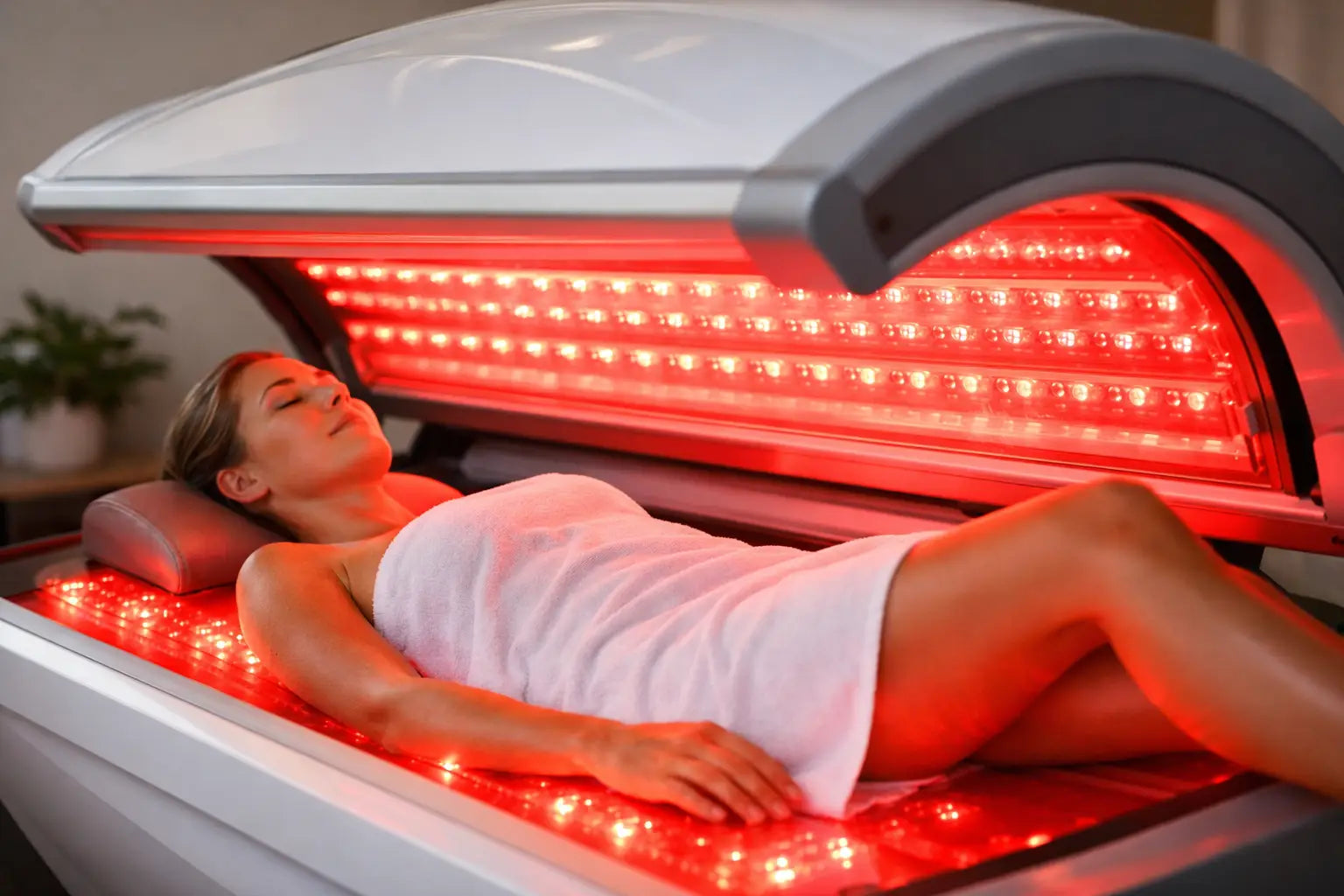
A carefully composed wellness suite can also separate activation from downshifting. Infrared heat or an earlier workout may fit the late afternoon. A PEMF session, gentle stretching, and low light can take over as evening approaches. Strength and serenity exist in harmony when each modality has a clear role.
Choosing the Right PEMF System for Home Use
Not every PEMF device is designed for the same experience. Small targeted applicators can make sense for localized use, while a full-body PEMF and red light recovery couch is better suited to a nightly relaxation ritual. If sleep support is your primary goal, comfort and convenience deserve as much attention as technical specifications.
Look for a system with intuitive controls, clearly described programs, and a session format you can use while lying comfortably. Consider the dimensions of the mat, its surface materials, portability, and how it will live within the room. A premium device should feel considered in both performance and presentation, not like clinical equipment you are tempted to store in a closet.
Programming flexibility is useful, but more settings are not automatically better. A well-curated system with a simple relaxation protocol may serve a busy household more effectively than a complicated interface that requires constant research. Ask whether the manufacturer provides clear guidance, warranty coverage, and support should you need help incorporating the equipment into your routine.
For larger residences, hospitality spaces, and professional recovery rooms, placement should be planned alongside power access, circulation paths, finish selections, and the broader guest experience. A PEMF station can become a discreet, elevated amenity when it is integrated from the beginning rather than added as an afterthought.
Who Should Speak With a Clinician First
PEMF is not appropriate for every person or every situation. Anyone with an implanted electronic medical device, such as a pacemaker or defibrillator, should consult the clinician managing that device before using PEMF equipment. Pregnant individuals and people with significant medical conditions should also seek professional guidance first.
If sleep difficulties are severe, long-lasting, or accompanied by loud snoring, gasping, chest symptoms, marked daytime sleepiness, or changes in mood, start with a qualified healthcare professional. Those signs can point to concerns that require diagnosis and treatment beyond a home recovery protocol.
The most sophisticated approach to wellness is not treating every technology as a substitute for medicine. It is knowing where premium tools can support your lifestyle and where expert clinical care should lead.
A beautifully designed recovery ritual earns its place when it makes rest more attainable night after night. Start simply: reserve a quiet window, choose a comfortable PEMF setting, dim the room, and give yourself permission to be unavailable. Your recovery deserves that level of intention.