Red Light Therapy Bed Benefits for Daily Recovery
A demanding calendar leaves little room for recovery that requires another appointment, another commute, or another compromise. The appeal of red light therapy bed benefits is simple: a full-body session can become a private, repeatable ritual in the same environment where you train, rest, and reset. For homeowners, performance facilities, and hospitality spaces alike, the right bed brings luxury in every ray while supporting a more intentional approach to recovery.
Red light therapy is not a replacement for sound training, sleep, nutrition, medical care, or thoughtful stress management. It is a supportive modality. Its value is most compelling when the equipment is well specified, used consistently, and integrated into a larger recovery standard.
What a Red Light Therapy Bed Does
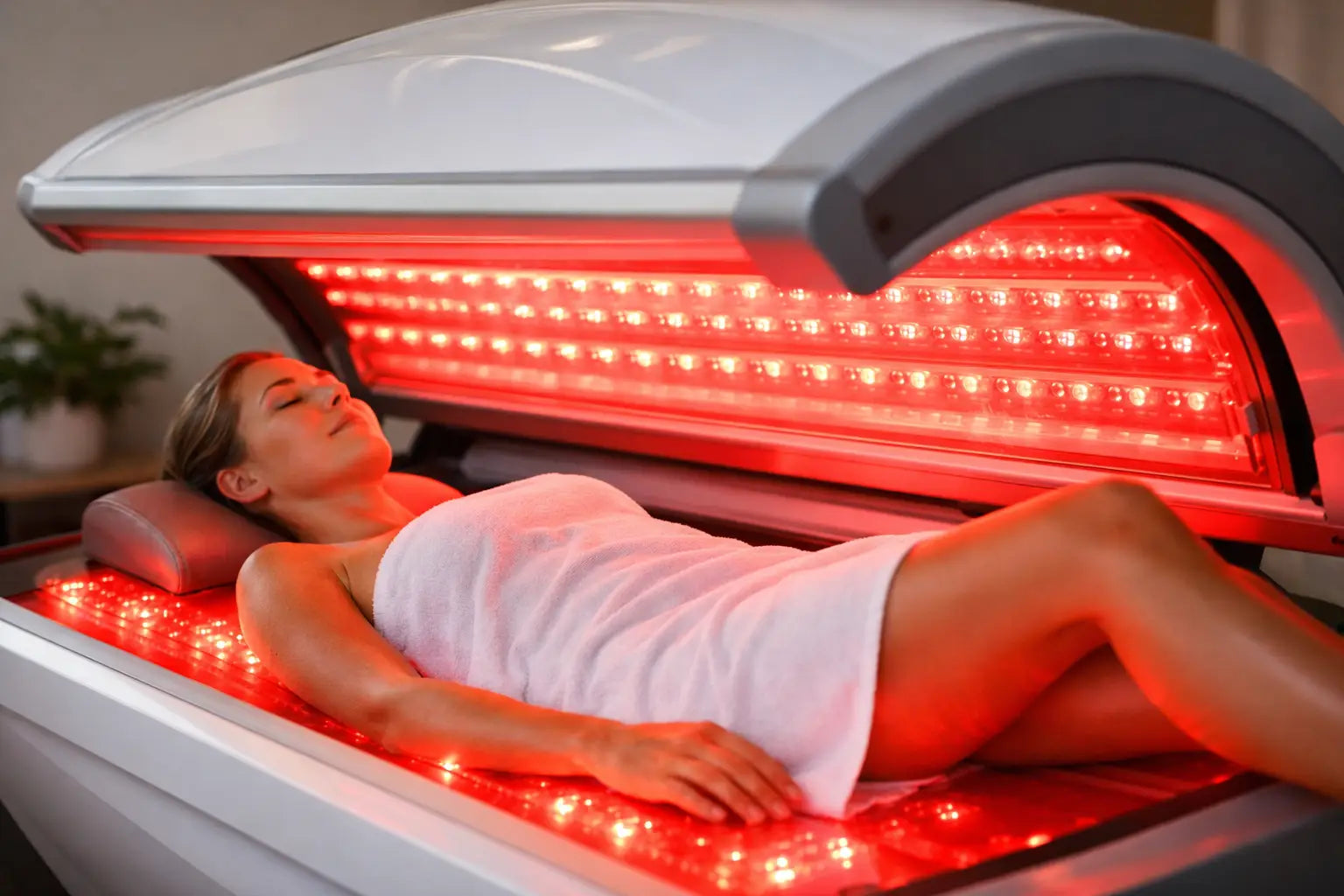
Red light therapy, often called photobiomodulation, exposes the body to specific wavelengths of visible red and near-infrared light. Red light generally works closer to the skin’s surface, while near-infrared light penetrates more deeply and is invisible to the eye. A full-body bed delivers those wavelengths across a broad area at once, rather than requiring the user to reposition a small panel over individual body parts.
At a cellular level, light energy is believed to influence mitochondrial activity, the processes involved in cellular energy production, and signaling related to inflammation and circulation. That is the scientific rationale behind its use for recovery and skin support. But the details matter. Wavelengths, irradiance, session duration, coverage, heat management, and quality control all affect how a system performs.
A premium bed is therefore more than an oversized light panel. It is a carefully engineered full-body environment designed to make regular use effortless, comfortable, and worthy of a dedicated recovery suite.
Red Light Therapy Bed Benefits That Matter Most
Full-body support for post-training recovery
After strength work, endurance sessions, travel, or long days on the floor, people often seek red light therapy to support muscle recovery and ease the sensation of stiffness. Some research suggests photobiomodulation may help reduce delayed-onset muscle soreness and support recovery markers when used around exercise. Results vary based on the training load, the protocol, and the individual, but this is one reason the modality has earned a place in athlete-focused wellness environments.
The advantage of a bed is coverage. Instead of treating a shoulder, knee, or quad in isolation, a full-body session can address the areas that carry the cumulative cost of training. For high performers whose time is a premium asset, that convenience can be as meaningful as the technology itself.
Skin appearance and collagen support
Red light is widely used in aesthetic wellness for its potential to support collagen production and improve the visible appearance of skin over time. Users may notice a healthier-looking tone, smoother texture, or a more refreshed appearance with consistent use. It is a gradual investment, not a one-session transformation.
A red light therapy bed can complement a refined skincare program because it treats the face, neck, décolletage, and body in one setting. Still, light therapy does not replace sunscreen, dermatologist-directed treatment, or a considered skincare routine. Those managing melasma, photosensitivity, active skin conditions, or prescription skincare should ask a qualified clinician what is appropriate for them.
A calmer transition into rest
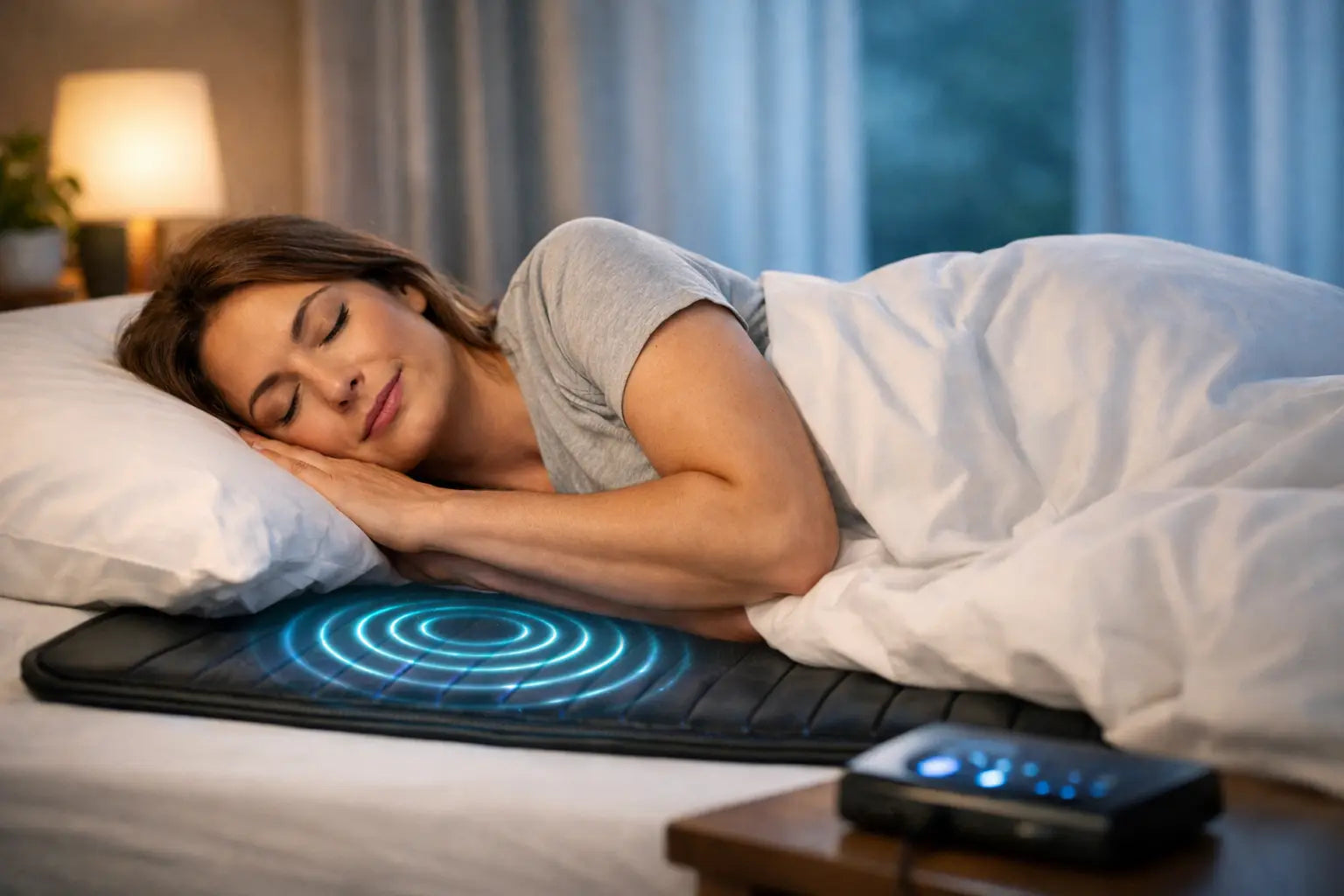
The strongest sleep benefits may be indirect. A quiet session at the end of the day creates a boundary between performance mode and recovery mode. There is no cold shock to brace against and no intense workout to complete. You simply lie down, close your eyes if comfortable, and give the nervous system a few uninterrupted minutes away from screens and demands.
Some people find this consistency helps them feel more settled before bed. Others prefer a morning session for its energizing ritual. The ideal timing depends on personal response, and the light itself should not be confused with a cure for insomnia or a substitute for addressing chronic sleep concerns with a healthcare professional.
Support for circulation and everyday mobility
Photobiomodulation is also associated with healthy circulation and cellular signaling, which helps explain why it is popular among people managing the physical effects of desk work, frequent flights, or high-volume training. Better daily mobility is rarely the result of one tool alone. It comes from movement, strength, hydration, recovery, and attention to the body before discomfort becomes limitation.
Within that system, a bed offers a low-effort way to maintain a recovery habit. It is particularly well suited to people who know they will not consistently move a portable device from room to room or carve out time for localized treatment after every workout.
Why a Bed Feels Different From a Panel
A high-quality panel can be an excellent choice for focused use, smaller spaces, or a lower initial investment. It allows precise placement over a joint, muscle group, or area of the face. For someone whose primary goal is occasional targeted care, a panel may be the sensible fit.
A bed makes a different promise: immersion. It provides extensive coverage without standing, holding a device, or turning halfway through the session. The experience is more aligned with a dedicated home wellness suite, upscale spa, athletic recovery room, or hospitality amenity where comfort, visual integration, and throughput all matter.
There are trade-offs. Beds require more floor space, a larger budget, and careful consideration of electrical requirements, ventilation, service access, and delivery pathways. They also vary substantially in output and design. A beautiful enclosure with unclear technical specifications is not automatically a superior therapeutic system. For commercial projects, capacity, sanitation protocols, user controls, and installation coordination deserve equal attention.
How to Build a Consistent Red Light Ritual
Consistency is the differentiator. A session used occasionally after an unusually difficult workout is unlikely to reveal the same value as a routine practiced several times per week according to the manufacturer’s guidance. More exposure is not necessarily better. Effective protocols depend on the system’s output, distance from the lights, wavelengths, and intended use.
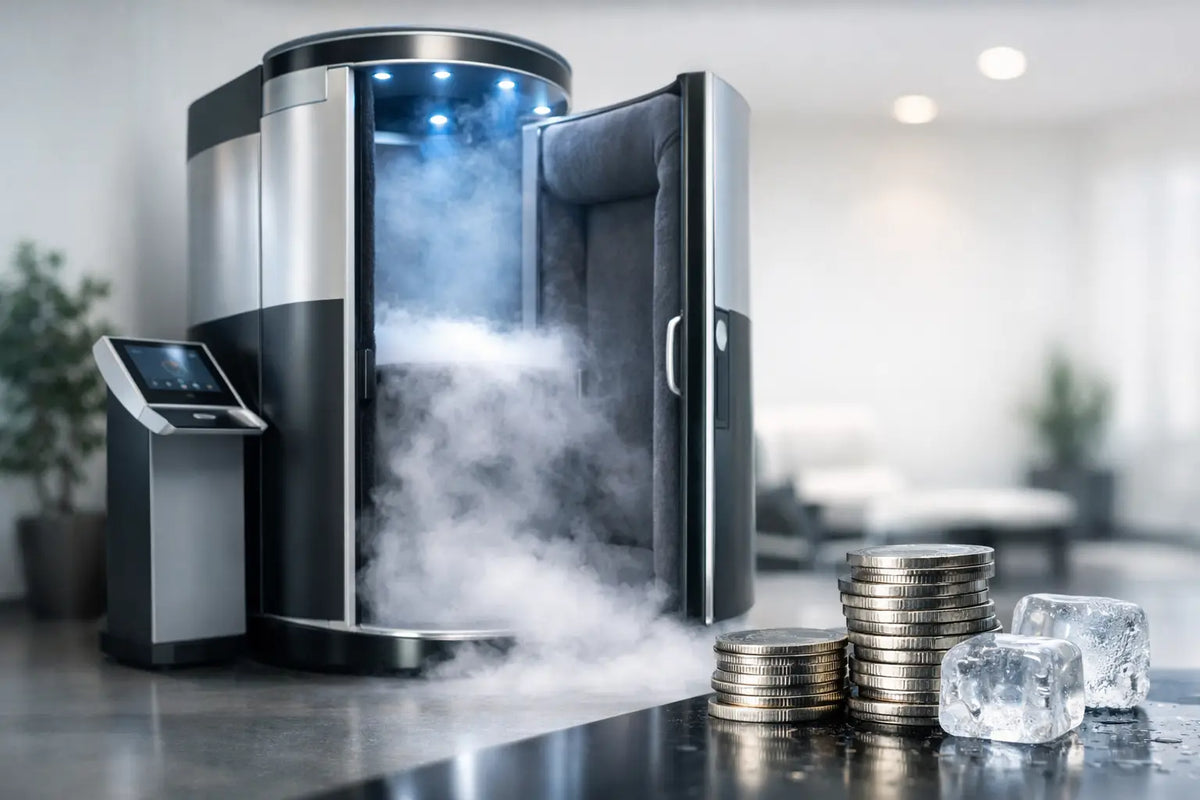
Start with the manufacturer’s recommended session length and frequency. Many users place a session after training, following a sauna or cold-plunge protocol, or in the evening as part of a quieter wind-down. If you are new to light therapy, begin conservatively and track the basics: soreness, skin response, sleep quality, and how easy the ritual is to maintain.
Avoid layering on unnecessary products before a session unless they are specifically intended for use with light therapy. Clean, dry skin is often the simplest approach. Eye protection requirements depend on the equipment and protocol, so follow the manufacturer’s instructions rather than making assumptions based on another device.
The most elevated recovery spaces make the ritual frictionless. Position the bed where it is easy to access, with a place for a robe, water, towels, and a few quiet minutes after the session. When recovery feels like an appointment with yourself rather than another task on the list, it is far more likely to endure.
Safety, Expectations, and Smart Equipment Selection
Red light therapy is generally considered noninvasive and does not rely on ultraviolet light, so it does not tan the skin in the way a tanning bed does. Yet noninvasive does not mean universally appropriate. People with light sensitivity, certain eye conditions, a history of photosensitive reactions, or medications that increase light sensitivity should consult a healthcare professional before use. The same applies to those who are pregnant, undergoing treatment for a medical condition, or managing unexplained pain or skin changes.
When selecting a bed, look beyond marketing language. Ask about the wavelength range, irradiance at the body, treatment area, cooling and comfort features, controls, warranty coverage, and the availability of service after delivery. A luxury purchase should be supported by clear specifications and clear accountability.
For a residence, the question is whether the bed supports the life you actually live. For a commercial project, the question expands to guest experience, operational durability, spatial design, and a reliable path from specification to installation. Luxe Vida Wellness approaches these environments as complete recovery destinations, with the equipment, layout, and project support considered together.
A red light therapy bed earns its place when it becomes more than impressive equipment. Make it the quiet interval between effort and restoration: a dependable space to care for the body that carries your ambitions, every day.
If you're comparing options, see our guide to buying a red light therapy bed and what to know before choosing a red light device.