Are Compression Boots for Circulation Worth It?
A long flight, a hard training block, and a calendar built around back-to-back meetings can leave the lower body feeling heavy before the day is over. Compression boots for circulation offer a refined way to make leg recovery part of a daily ritual, without reserving meaningful recovery for a spa appointment or a post-race treatment room.
For high performers, the appeal is not simply that the boots feel good. It is the ability to create a consistent reset: a private, quiet interval that may help legs feel lighter, more comfortable, and ready for what comes next. The experience is measured, restorative, and easy to place beside strength training, travel, a sauna session, or an evening wind-down.
How Compression Boots Support Circulation
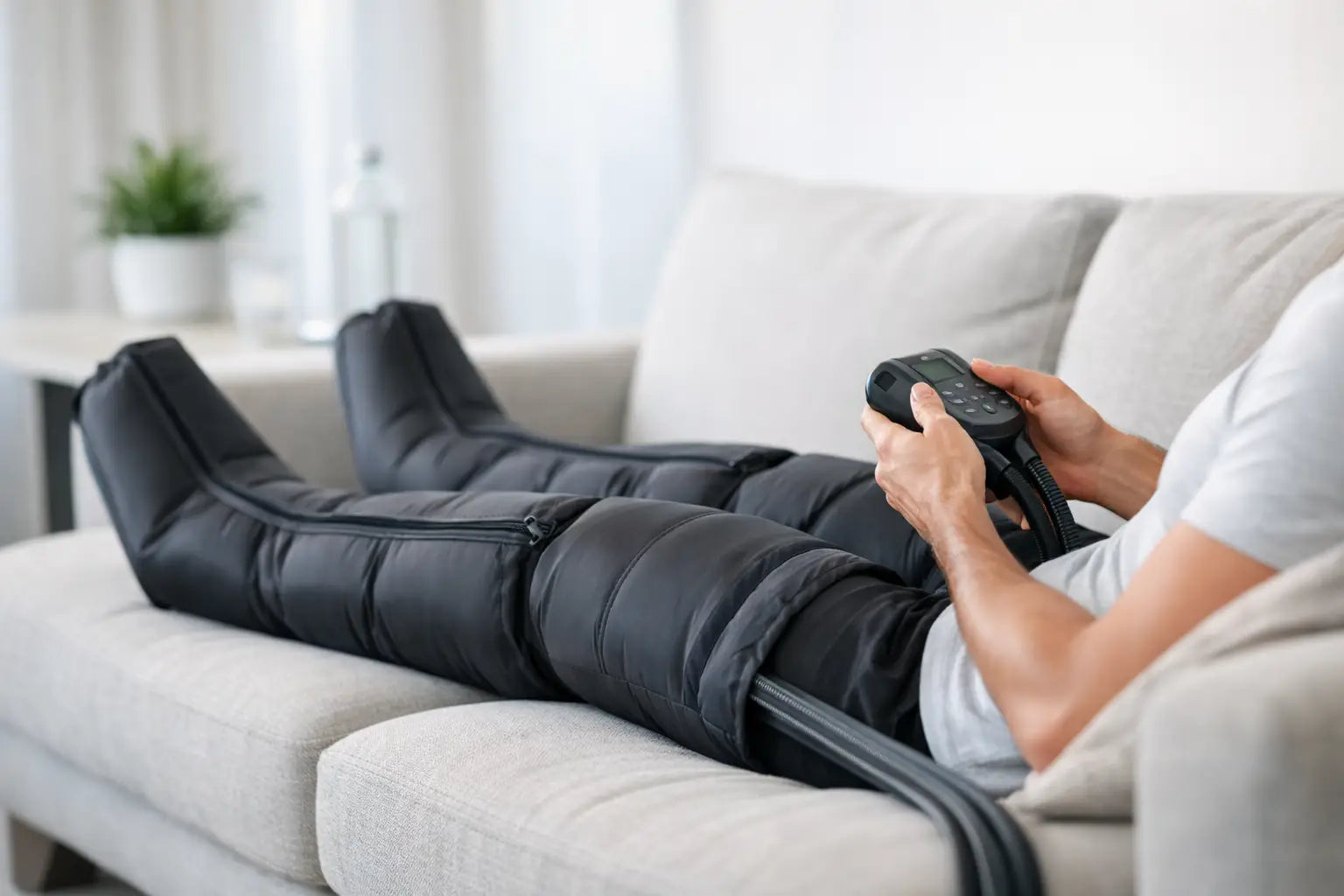
Compression boots are pneumatic garments that wrap around the feet, calves, and often the thighs. An attached control unit fills and releases individual air chambers in a programmed sequence. This creates intermittent compression that applies pressure to the limbs, then allows that pressure to release before the next cycle.
That rhythm is the point. The alternating pressure can support venous and lymphatic flow, helping move fluid through the lower extremities. Many people notice less temporary swelling, reduced feelings of heaviness, and a more refreshed sensation in the legs after a session. For athletes, the same mechanism can be especially welcome after demanding endurance work, lower-body training, or long periods spent standing.If you're exploring your options, you can browse the full range of compression boots available for home recovery.
The distinction matters: consumer compression boots are not a cure for circulation disorders, and they do not replace medical care, movement, hydration, or professionally prescribed compression. They are a recovery tool designed to complement a well-built routine. Their value is often most apparent when they are used consistently rather than occasionally.
Why Leg Comfort Matters Beyond Training
Recovery technology is often framed around athletes, but leg fatigue is not exclusive to the training floor. Executives who fly frequently, homeowners who spend long days at a desk, and people who host, travel, or work on their feet can all experience lower-leg discomfort from prolonged sitting or standing.
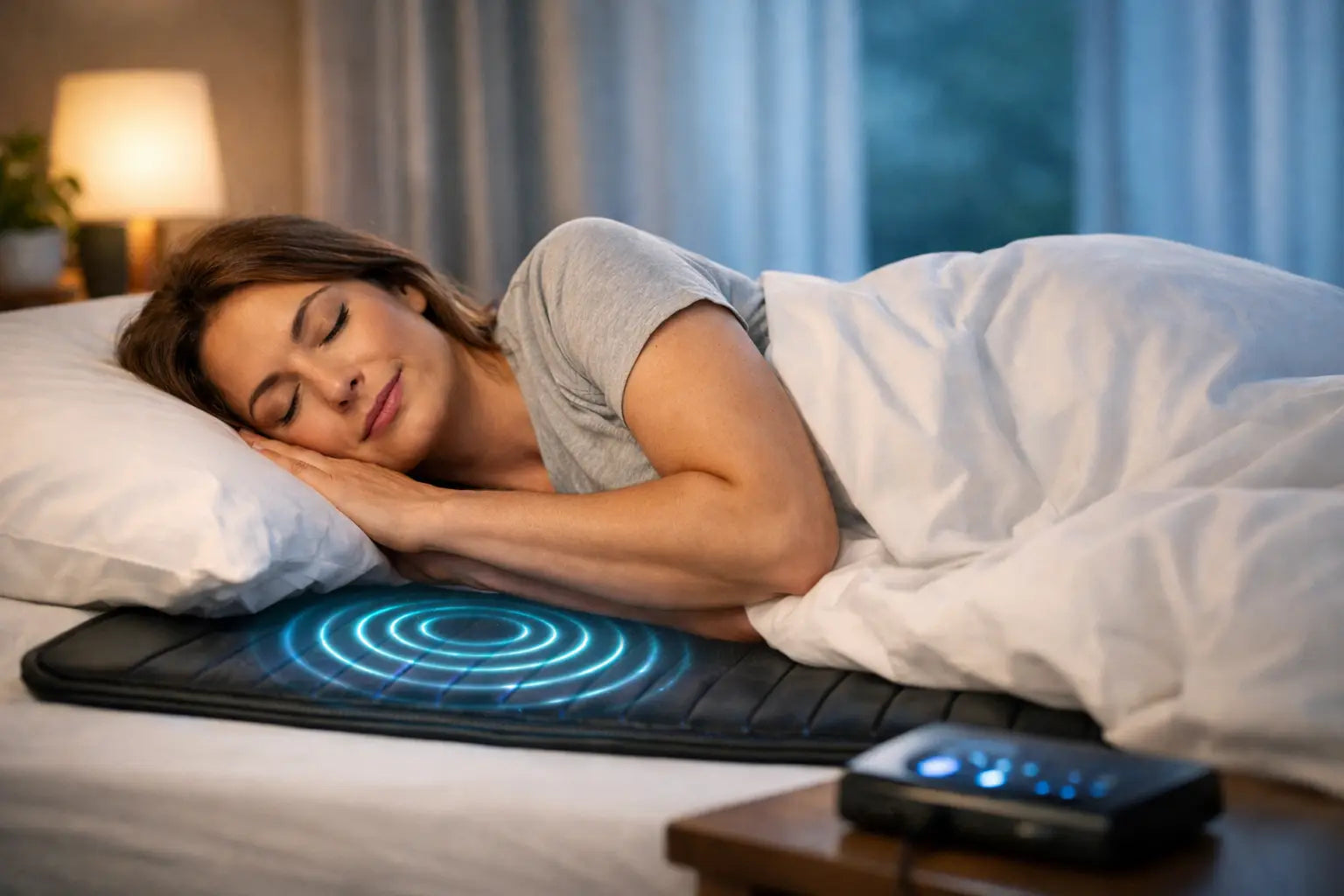
A 20- to 40-minute session can become a useful transition between parts of the day. Use the boots after a flight while catching up on reading, after training while hydrating, or in the evening when the goal is to move from a demanding schedule into sleep-ready calm. The ritual is simple: recline, let the system cycle, and give the body a designated period to downshift.
For some users, the benefit is primarily performance-oriented. They appreciate how their legs feel between sessions during a high-volume training week. For others, it is more about comfort and convenience: less of that congested, heavy sensation after a day that required too much sitting, too much standing, or too much travel. Both are valid reasons to invest in the category.
What Compression Boots Can and Cannot Do
Premium recovery equipment earns its place by being useful, not by promising the impossible. Compression boots can provide a comfortable, controlled form of intermittent pneumatic compression. They may support short-term recovery, temporary fluid management, and a sense of lower-body relief. They also encourage something many ambitious people neglect: taking 30 uninterrupted minutes to recover.
They cannot compensate for a sedentary lifestyle, poor sleep, inadequate nutrition, or an injury that needs clinical evaluation. If one leg is suddenly swollen, painful, warm, or discolored, do not use a recovery session to self-manage the problem. Seek medical attention promptly. The same caution applies to unexplained shortness of breath or chest pain.
Results also depend on context. A person recovering from an intense cycling session may feel a noticeable difference after one use. Someone looking for relief from a workday spent at a desk may benefit more from pairing sessions with regular walking breaks and changes in posture. The boots are highly effective as part of a system, not as a substitute for one.
A Thoughtful Protocol for Compression Boots for Circulation
There is no advantage in treating recovery like another competition. Begin with a moderate pressure setting and a 20-minute session, then adjust based on comfort and the manufacturer’s guidance. The compression should feel firm and rhythmic, never painful, numb, or sharply uncomfortable.
After lower-body training, use compression boots once the heart rate has settled and hydration is underway. After travel, a session can be particularly appealing after a walk and a shower, when the body has had a chance to reset from hours of immobility. In either case, a relaxed seated or reclined position allows the treatment to feel restorative rather than rushed.
Frequency is personal. Some serious athletes use pneumatic compression several times per week during intense periods. Others reserve it for travel days, long workdays, or the evening after leg-focused training. A repeatable cadence is more valuable than an overly ambitious schedule that never becomes routine.
Compression also pairs well with other premium recovery modalities, provided the sequence serves your comfort and goals. A gentle mobility session followed by compression can be an excellent post-training ritual. A contrast routine involving heat or cold may suit experienced users, but it is wise to keep the first few sessions simple so you can understand how your body responds.
What Separates a Premium Compression System
The best compression boots are not defined by pressure alone. A sophisticated system gives you control over the experience while fitting naturally into your home, training studio, or wellness suite. The equipment should feel as considered as the rest of your environment.
Look first at coverage. Full-leg boots that reach the upper thigh are often preferred for comprehensive lower-body recovery, while shorter configurations may be appropriate for more targeted needs or compact spaces. Chamber design also matters. Multiple independently controlled chambers can create more precise sequential patterns than a basic single-zone system.
Adjustability deserves equal attention. A quality control unit should allow you to modify pressure, treatment time, and massage pattern without making the experience technical or cumbersome. The goal is a setting that feels tailored whether you are using it after a demanding leg day or simply seeking relief after travel.
Then consider the practical details that determine whether the equipment will actually be used. Materials should feel durable and comfortable against the skin. The system should be easy to store or display in a private recovery space. Noise level, intuitive controls, warranty coverage, and service support all matter when the purchase is intended to be a lasting part of a wellness environment.
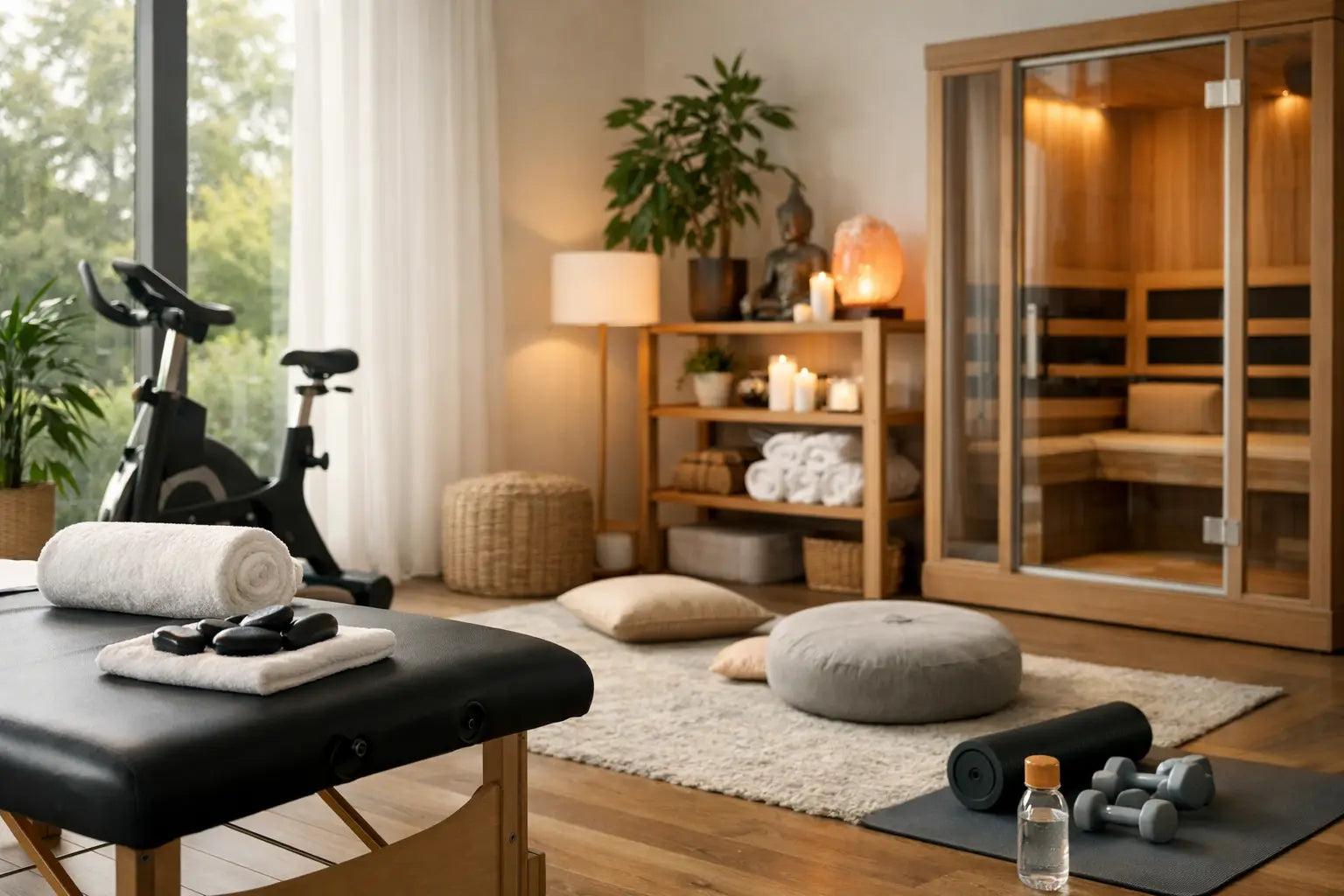
For a home sanctuary, visual restraint can be just as important as performance. Compression boots should integrate into the room with the same intentionality as a massage chair, red light therapy panel, or sauna. In a commercial setting, durability, turnover efficiency, and straightforward staff operation become more significant. The right specification depends on whether the system is serving one household or a world-class hospitality experience.
Who Should Speak With a Clinician First
Compression therapy is not appropriate for every person or every condition. Speak with a qualified clinician before using compression boots if you have known peripheral arterial disease, a history of blood clots or deep vein thrombosis, severe heart failure, significant neuropathy, uncontrolled high blood pressure, active infection, open wounds, or a condition that affects sensation or circulation.
Pregnancy, recent surgery, and lymphedema also warrant individualized guidance. In some cases, pneumatic compression may be used under medical direction, but consumer equipment should not be treated as a replacement for that direction. If you are unsure, a short conversation with your healthcare provider is the most intelligent first step.
Stop a session if you experience pain, tingling, numbness, dizziness, or any unusual symptoms. Luxury recovery should feel reassuring, not aggressive. The right session leaves you more at ease than when you began.
A well-designed recovery space changes the standard of what a busy life can feel like. When leg comfort, movement, and restoration are built into the environment, compression boots become more than an accessory. They become a reliable invitation to pause, reset, and return to your next demand with greater ease.