Infrared Sauna Benefits for Recovery and Sleep
The difference between owning a sauna and relying on one is often the difference between an occasional indulgence and a recovery ritual that actually fits your life. For executives managing relentless schedules, athletes training at a high level, and homeowners designing wellness around privacy, infrared sauna benefits center on one compelling advantage: effective, comfortable heat available on your terms.
Infrared heat is not a substitute for medical care, disciplined training, or restorative sleep. It can, however, become a remarkably valuable part of the system that supports all three. In a beautifully designed home sanctuary, a consistent sauna session creates protected time to downshift, warm the body, and leave the day feeling physically lighter.
How Infrared Heat Changes the Sauna Experience
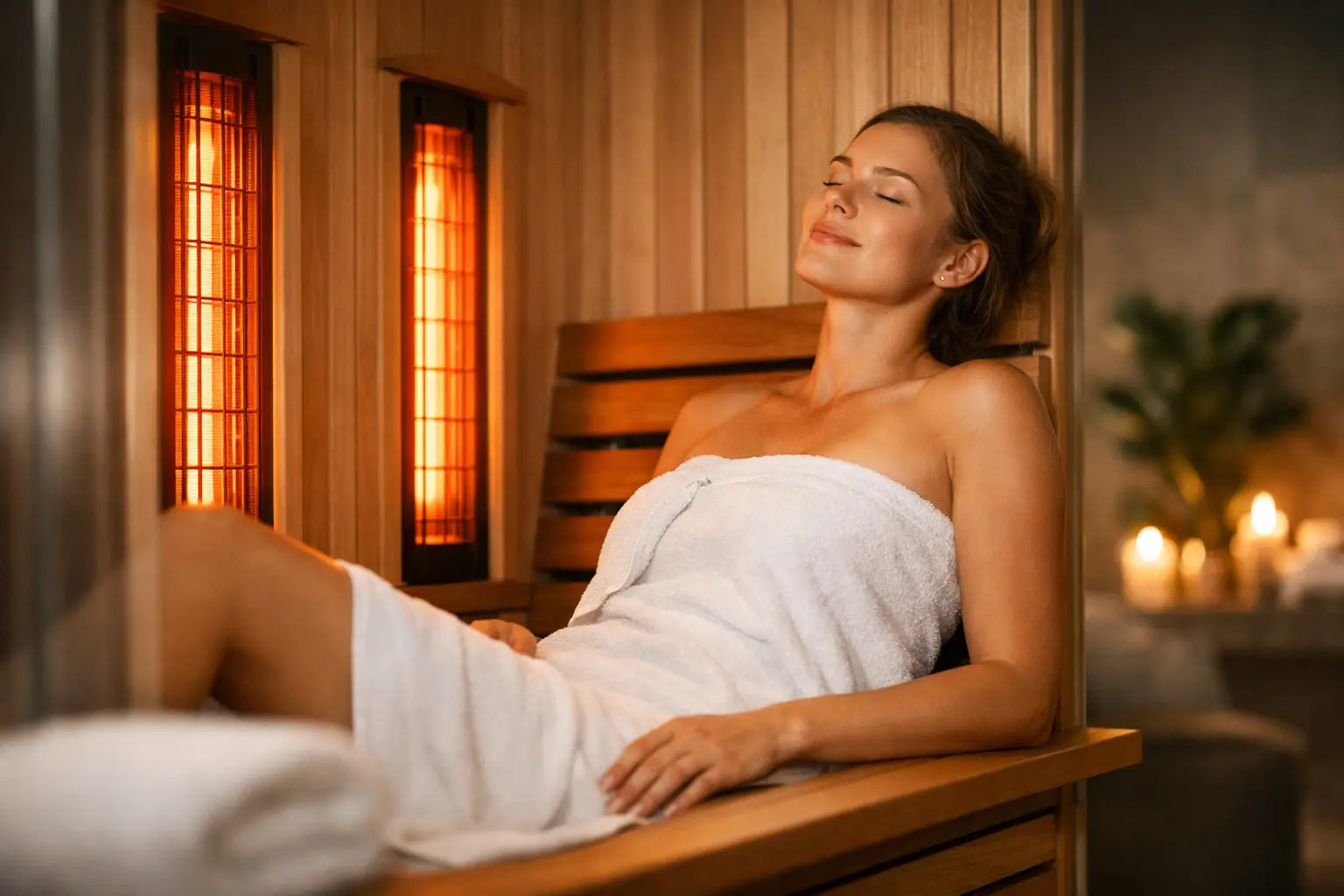
Traditional saunas heat the air around you, which then warms your body. Infrared saunas use infrared emitters to deliver radiant heat directly to the body and surrounding surfaces. Because the ambient air can remain more comfortable than in a traditional sauna, many people find it easier to stay in an infrared session long enough to settle into the experience.
That distinction matters. A ritual only delivers value when it is used consistently. Someone who finds a 15- to 30-minute infrared session inviting several times a week may see more practical value than someone with access to a very hot sauna they rarely use.
Premium infrared sauna design also matters beyond appearances. Thoughtful interior proportions, quality woodwork, low-EMF engineering, reliable controls, and attractive placement within the home remove friction from the ritual. The goal is not simply to add a wellness product to a spare room. It is to create a space that calls you back after a long flight, a hard training block, or an overextended workday.
Infrared Sauna Benefits That Support a High-Performance Life
A calmer transition out of stress mode
Heat exposure gives the body a clear sensory cue to slow down. For many users, the quiet enclosure, warmth, and temporary separation from screens provide a reliable way to move from a demanding day into a more restorative evening. A session may feel especially useful after travel, intense meetings, or periods when your nervous system seems to remain switched on long after work ends.
The benefit is partly physiological and partly behavioral. You are creating a boundary around recovery. That can be more powerful than it sounds for people whose days are otherwise designed around constant access and output.
Muscle comfort after training and travel
Warmth can help muscles feel looser and more comfortable, particularly after strength work, endurance training, long hours of sitting, or travel. Many athletes use an infrared sauna as a gentle recovery modality on lighter training days or after a demanding session, alongside hydration, protein intake, mobility work, and sleep.
The appropriate timing depends on the person and the training goal. If you are already depleted after a hard workout, adding prolonged heat exposure without rehydrating may leave you feeling worse rather than better. Think of sauna use as a recovery tool to be calibrated, not a test of toughness.
Support for circulation and cardiovascular conditioning
As the body warms, heart rate rises and blood vessels near the skin widen to help manage temperature. This produces a cardiovascular response that some people enjoy as a low-impact complement to their broader fitness routine. Regular passive heat exposure has also been studied for associations with cardiovascular health, though research varies by sauna type, population, frequency, and study design.
The measured takeaway is not that a sauna replaces exercise. It does not. It is that intelligently used heat may complement an already well-built foundation of movement, nutrition, sleep, and clinical care.
Better conditions for an evening sleep ritual
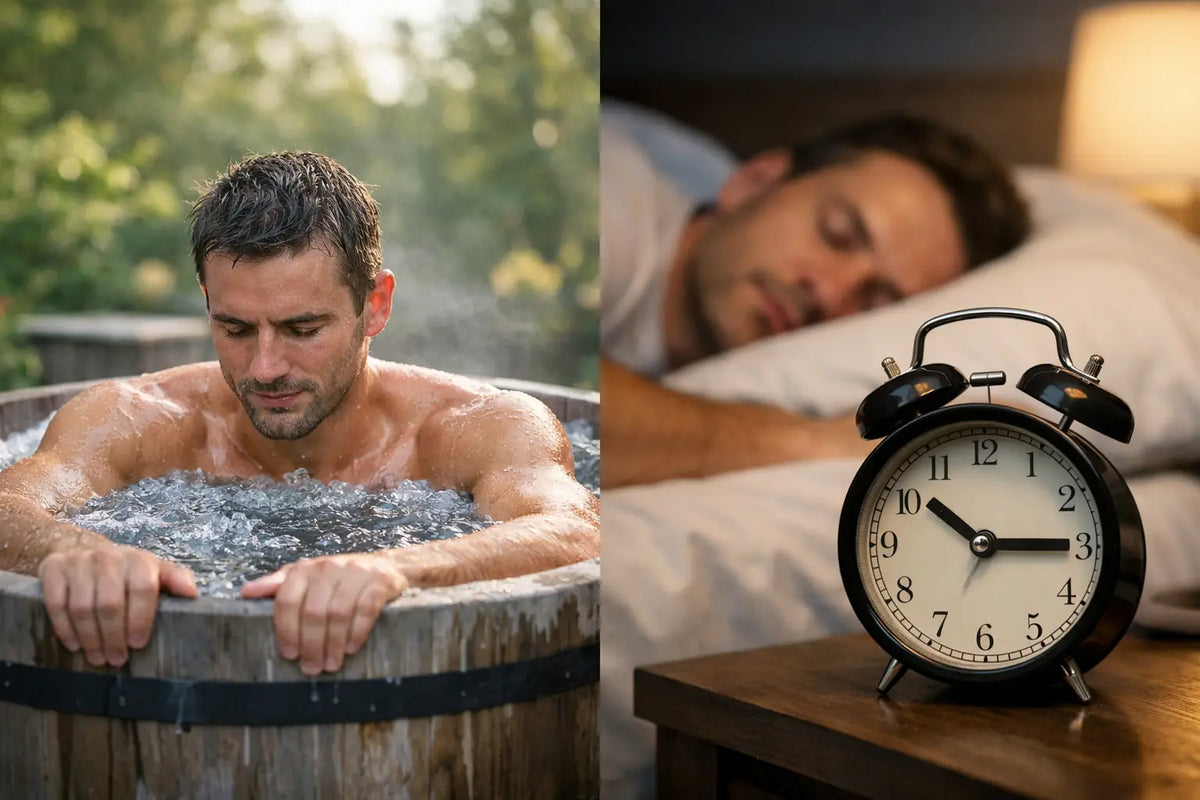
A carefully timed sauna session can help create a calmer runway toward sleep. For some people, using the sauna in the early evening, followed by a shower and a cool, dark bedroom, becomes a dependable signal that the day is complete. The relaxation component alone can be meaningful for people who struggle to move directly from work intensity to rest.
Timing is personal. A late, overly intense session may feel stimulating for some users, while others sleep beautifully after it. Start with a moderate session earlier in the evening and adjust based on how you feel at bedtime and the next morning.
A private setting for consistency
One of the most underappreciated infrared sauna benefits is convenience. A home installation eliminates the drive, changing room, crowded schedule, and limited hours that can turn recovery into an errand. It also gives you control over cleanliness, music, lighting, and the pace of the experience.
For a household, that privacy can turn a sauna into a shared standard rather than a rarely used luxury. One person may use it after cycling; another may use it to decompress before bed. The equipment becomes more valuable when it serves real routines, not an imagined version of them.
What an Infrared Sauna Will Not Do
The wellness category is full of oversized promises, and heat therapy deserves a more disciplined conversation. Sweating is a normal temperature-regulation response, not proof that toxins are being flushed from the body. Your liver, kidneys, lungs, and digestive system already perform the body’s central detoxification work.
Similarly, sauna sessions alone are not a meaningful standalone strategy for fat loss. You may see a temporary change on the scale from fluid loss, but that is not body-fat reduction. If body composition is a goal, heat therapy can support the recovery and stress-management habits that make a training plan easier to sustain. It should not be presented as a replacement for one.
Expectations should be equally realistic around pain and chronic conditions. Heat can feel excellent for general muscle comfort, but persistent pain, unusual swelling, dizziness, chest symptoms, or unexplained fatigue deserve clinical attention. A premium wellness environment should make self-care easier, never encourage someone to ignore a health concern.
Building an Infrared Sauna Ritual You Will Keep
A useful starting point is 10 to 15 minutes at a comfortable temperature, two or three times a week. As your tolerance develops, many people work toward 20 to 30 minutes. There is no prize for pushing past comfort. The best session is one that leaves you relaxed, hydrated, and ready to return.
Drink water before and after your session, especially if you have exercised, traveled, or consumed alcohol. Skip the sauna when you are ill, dehydrated, or feeling lightheaded. Leave immediately if you feel dizzy, nauseated, weak, or unwell. Pregnant individuals and anyone with cardiovascular disease, uncontrolled blood pressure, a history of fainting, or medications that affect heat tolerance should speak with a qualified clinician before using a sauna.
The ritual can be beautifully simple: finish your workday, drink water, spend 20 quiet minutes in the warmth, shower, and move into a lower-light evening. Others prefer to pair the sauna with gentle mobility, breathwork, or a post-training recovery sequence. The right protocol depends on your schedule, tolerance, and the outcome you value most.
Choosing a Sauna for a Refined Home Sanctuary
The best infrared sauna is not necessarily the largest or hottest model. It is the one that suits your room dimensions, electrical capacity, design language, household use, and preferred session style. A compact one- or two-person unit can be ideal for a private primary suite or home gym, while a larger cabin may better serve a family, entertaining space, or dedicated recovery room.
Look closely at the full ownership experience: heater technology, construction quality, safety certifications, bench comfort, ventilation, control placement, warranty coverage, freight access, and installation requirements. For a high-value home project, aesthetics and execution deserve equal consideration. A sauna should feel intentional in the space, not like an appliance that happened to arrive there.
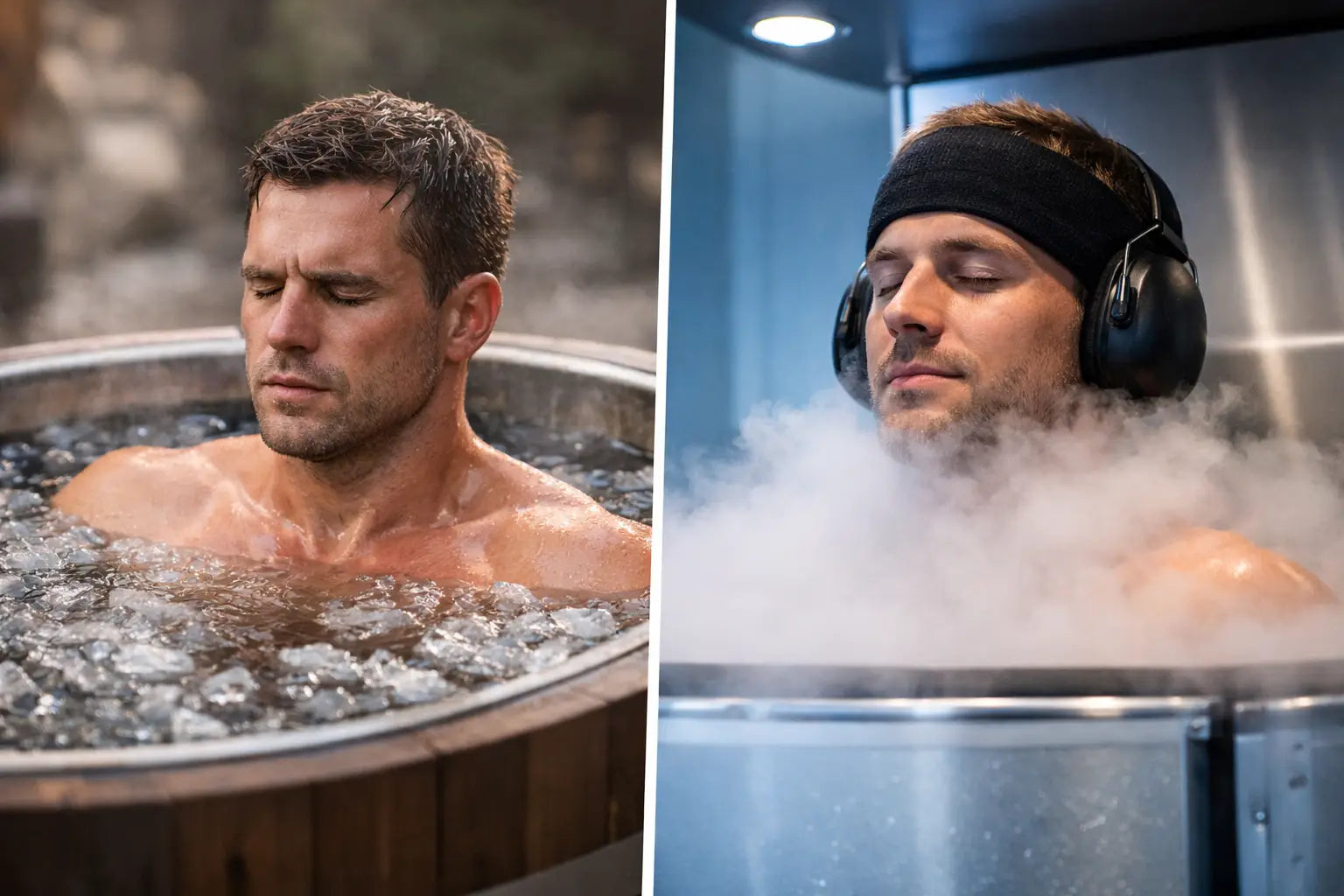
For custom wellness suites, Luxe Vida Wellness approaches this decision as part of a larger recovery environment, with equipment selection and project coordination shaped around how the space will actually be used. That is especially relevant when pairing sauna heat with a cold plunge, red light therapy, or a dedicated training and recovery room.
Your strongest ritual will rarely be the most complicated one. Choose heat that feels good, use it consistently, respect your body’s signals, and let the room become a place where strength and serenity can exist in harmony.
Ready to build a sauna ritual that actually fits your life?
The right infrared sauna comes down to room fit, construction quality, and how it'll really get used — not just size or heat output. Let's plan your recovery space around the ritual you'll actually keep.