Do Cold Plunges Improve Sleep? Timing Matters
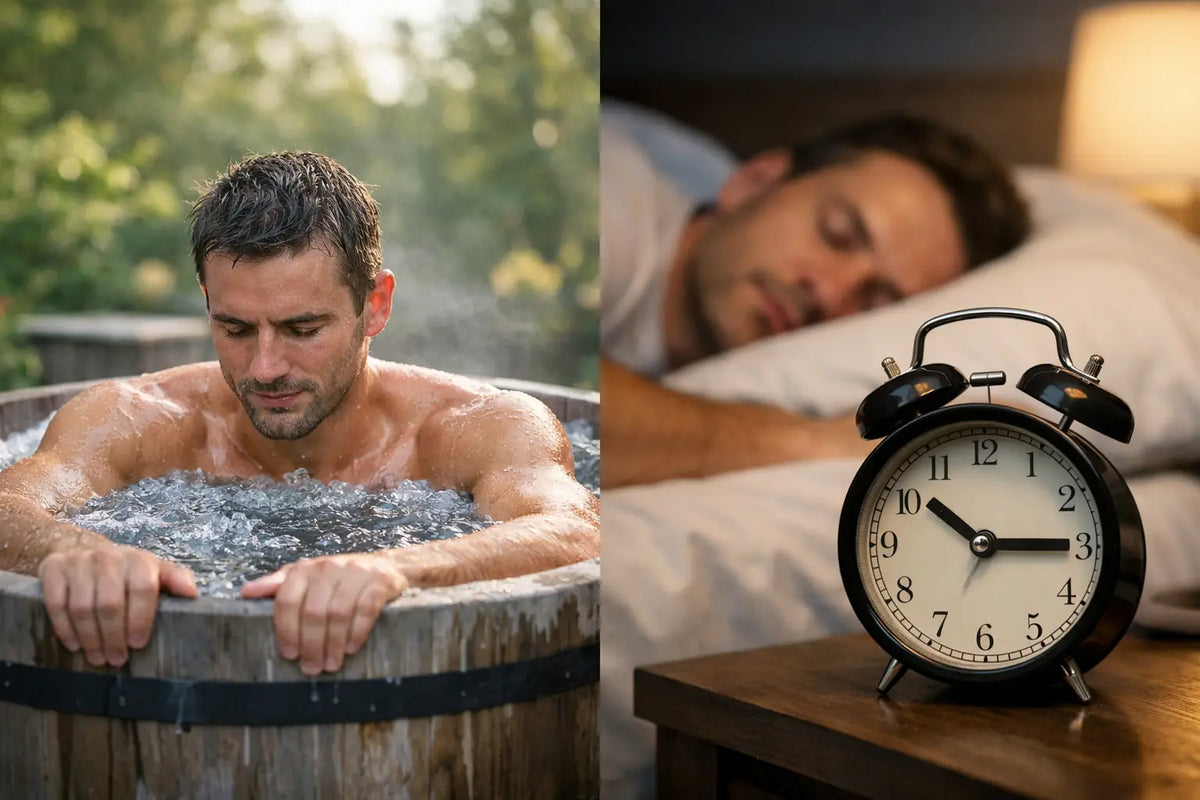
A cold plunge at 7:00 a.m. can leave you clear-headed, composed, and ready to perform. The same plunge at 9:30 p.m. may leave you feeling unexpectedly alert. That distinction matters when the question is: do cold plunges improve sleep?
Cold exposure can support better sleep for some people, but it is not a sedative and it is not universally calming. Its value lies in how it fits into the larger architecture of recovery: training load, stress level, nervous-system regulation, body temperature, and the rhythm of your day. For those building a refined home recovery sanctuary, the goal is not simply to endure the cold. It is to use it with intention.
Do Cold Plunges Improve Sleep? The Honest Answer
They can, indirectly. A well-timed cold plunge may help improve the conditions that make restorative sleep more likely, particularly by easing post-exercise soreness, creating a sense of mental reset, and giving the body a structured transition out of a demanding day. Many people also report a calmer state after the initial cold response passes, especially when they use slow, controlled breathing rather than fighting the sensation.
But cold water also creates an immediate stress response. Heart rate, breathing rate, and alertness can rise during the first moments of immersion. For a person who is sensitive to stimulation, plunging too close to bedtime can work against sleep by making the body feel switched on rather than ready to power down.
The question is not whether cold exposure is inherently good or bad for sleep. It is whether your protocol supports your individual recovery rhythm. For a high-performing professional or serious athlete, that answer often depends on timing and dose more than raw temperature.
Why Cold Exposure May Affect Sleep
Sleep quality is closely tied to stress, inflammation, physical discomfort, and the body’s ability to shift from action into recovery. Cold plunging touches each of these systems, although the experience varies substantially from person to person.
After strenuous training, lower-body fatigue or generalized muscle soreness can make it harder to settle comfortably at night. Cold-water immersion may reduce the perception of soreness for some athletes, which can make bedtime more physically comfortable. This is especially relevant during periods of high training volume, travel, or back-to-back performance demands.
There is also a psychological component. Entering cold water requires full attention. The noise of meetings, screens, deadlines, and logistics has little room to compete with the present moment. When the plunge ends and breathing returns to a slower cadence, many users experience a distinct mental boundary between the pressures of the day and the privacy of recovery.
That said, better sleep is not guaranteed simply because a plunge feels invigorating or emotionally satisfying. The nervous system needs time to come down after the acute stimulation of cold water. A plunge that leaves you energized is often ideal before work, training, or an afternoon reset. It may not be the right choice in the final hour before bed.
The Best Time to Cold Plunge for Sleep
For most people hoping to support sleep, late afternoon or early evening is the most practical place to start. This gives you the recovery benefits of a plunge while leaving enough time for your heart rate, body temperature, and alertness to normalize before bed.
A useful starting window is two to four hours before your intended bedtime. If you are asleep by 10:30 p.m., consider a plunge between 6:30 and 8:00 p.m., then observe how you feel over several nights. You are looking for a calmer evening, less soreness, and an easier transition into sleep - not a restless urge to answer emails or begin another task.
Morning plunges are still exceptional for energy, discipline, and daytime focus. They simply should not be mistaken for a dedicated sleep intervention. In a well-designed wellness routine, morning cold exposure can serve performance, while evening heat, breathwork, gentle mobility, or a warm shower may be better suited to preparing for rest.
Your response is more valuable than a rigid rule
Some experienced cold-plunge users find that a brief evening immersion helps them sleep deeply. Others need three or more hours between the plunge and bed. Track your bedtime, how long it takes to fall asleep, overnight wake-ups, and how you feel on waking for at least a week.
If your sleep becomes more fragmented, you feel wired at night, or your resting heart rate remains elevated, move the session earlier. Luxury recovery is not about forcing a trend into your life. It is about creating an environment that responds to your physiology and your standards.
Temperature and Duration: More Is Not Always Better
An aggressively cold, extended plunge is not necessarily a better sleep strategy. In fact, it may create more stimulation than you need. A controlled protocol is generally more useful than chasing extremes.
For many healthy adults, water in the 50 to 59°F range for one to three minutes is a sensible entry point. More experienced users may choose colder water or longer exposure, but sleep-focused sessions do not need to become an endurance test. The objective is a clean physiological signal followed by recovery, not a prolonged battle with discomfort.
If you are new to cold exposure, begin conservatively. Keep your head above water, enter gradually, and focus on slow exhales. The first 30 seconds can feel intense because of the cold-shock response. Controlled breathing helps prevent panic and lets you assess whether the session is truly serving you.
A premium cold plunge system makes this practice easier to sustain because temperature control, filtration, and design remove the friction that turns recovery into another project. When the environment is ready, your ritual is more likely to be consistent. Consistency, rather than intensity, is where meaningful recovery habits are built.
Pair Cold Plunging With an Evening Recovery Sequence
Cold exposure works best as one element of a considered recovery system. If sleep is the priority, avoid following a plunge with bright screens, late caffeine, alcohol, or emotionally charged work. The plunge cannot compensate for a bedroom that is too warm, a calendar with no decompression time, or a nervous system still operating in executive mode.
A more supportive sequence might begin with a brief cold plunge in the early evening, followed by hydration and a protein-forward dinner if you have trained. From there, move toward quieter inputs: low lighting, gentle stretching, reading, or a warm shower later in the evening. The contrast between a controlled cold stimulus and a calm, warm wind-down can feel particularly restorative.
For athletes, there is one additional trade-off to consider. Frequent cold-water immersion immediately after strength training may not suit every muscle-building goal, since inflammation is part of the adaptation process. If hypertrophy is a central objective, reserve regular cold sessions for rest days, endurance blocks, high-soreness periods, or times when acute recovery matters more than maximizing strength adaptation.
This is where a complete wellness environment earns its place. A cold plunge, sauna, red light therapy, compression, and restorative seating do not need to be used all at once. They can be selected and sequenced around the outcome you need that day: readiness, circulation, decompression, or sleep.
Who Should Be Careful With Cold Plunges?
Cold plunging is not appropriate for everyone. Speak with a qualified clinician before beginning if you have cardiovascular disease, uncontrolled high blood pressure, circulation concerns, a history of fainting, Raynaud’s phenomenon, neuropathy, are pregnant, or take medication that affects blood pressure or heart rhythm.
Never plunge alone if you are inexperienced or have a relevant medical risk. Avoid alcohol before cold exposure, and leave the water immediately if you experience chest pain, severe dizziness, confusion, numbness that persists, or unusual shortness of breath. Premium equipment elevates the experience, but responsible use remains the foundation of every recovery ritual.
Build a Ritual That Lets the Day End
The best cold-plunge routine for sleep is not the coldest, longest, or most dramatic. It is the one that leaves you less burdened by physical soreness, less entangled in the day’s momentum, and genuinely ready for rest.
Give your protocol enough structure to learn from it, then make it personal. Your recovery should feel like a private standard of care - one that helps strength and serenity exist in harmony long after the work is done.
For related reading, see our guide to cold plunging for muscle recovery and how to build a contrast therapy routine at home.
##Ready to build a cold-plunge ritual around your own rhythm?
The right timing, temperature, and equipment make the difference between a plunge that recharges you and one that works against your sleep. Let's design your recovery space around how you actually live and rest.