Is Cryotherapy Safe? What Premium Buyers Should Know
A three-minute cold session can feel like a decisive reset after a long-haul flight, a demanding training block, or a week that left little room to recover. But premium recovery should never mean casual recovery. If you are asking, is cryotherapy safe, the honest answer is: it can be, when the equipment, environment, screening, and protocol are treated with the same care as the rest of your wellness sanctuary.
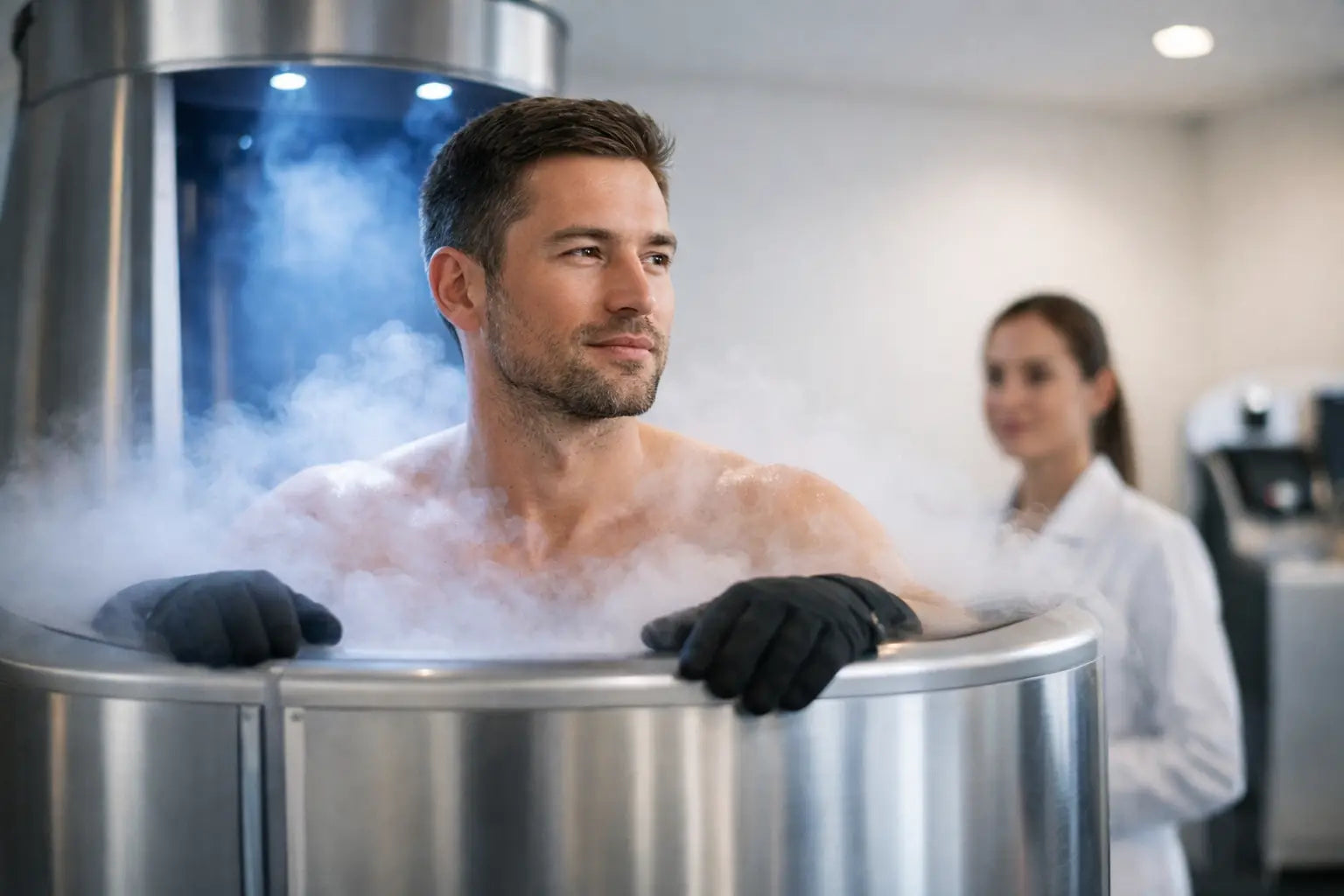
Whole-body cryotherapy is not simply an extreme version of a cold shower. It is a controlled exposure to very cold air, often between approximately -166°F and -256°F, for a brief period. The distinction matters. Exceptional results begin with an informed approach to risk, appropriate medical guidance, and equipment specified for the way you intend to use it.
Is Cryotherapy Safe for Most Healthy Adults?
For many healthy adults, whole-body cryotherapy can be tolerated well when sessions are brief, supervised, and conducted with properly maintained equipment. People commonly seek it for a sense of post-workout refreshment, temporary muscle-soreness relief, and a focused recovery ritual. Yet tolerance is not the same as universal suitability, and a luxury setting does not eliminate the need for sound operating standards.
Research on whole-body cryotherapy remains developing. Some evidence suggests it may help with perceived muscle soreness and recovery after intense exercise, but claims around fat loss, disease treatment, or dramatic longevity outcomes should be approached with restraint. Cryotherapy is best viewed as one element of a broader performance environment that may also include sleep, training, nutrition, hydration, heat therapy, and professional care.
The greatest safety factor is not willpower. It is thoughtful design. A quality chamber, clear user controls, trained oversight, and a client who has been screened for contraindications create a very different experience from an improvised exposure to extreme cold.
The Real Risks of Whole-Body Cryotherapy
Cryotherapy is short, but cold stress is real. The most common issues are preventable when protocols are followed. They include skin irritation, numbness, discomfort, dizziness, and cold injury. More serious events are uncommon, but they can occur, particularly when a session is too long, skin is damp, protective gear is missing, or a participant has an underlying health condition.
Frostbite and skin injury
Extremely cold air can injure exposed tissue quickly. Users should enter completely dry and remove metal jewelry, which can become intensely cold against the skin. Socks, gloves, and appropriate protection for sensitive areas are not cosmetic extras. They are part of the safety system.
A session should end immediately if the user experiences sharp pain, burning, severe numbness, lightheadedness, or distress. More cold is not more effective. Extending a session to prove resilience adds risk without establishing a meaningful recovery advantage.
Cardiovascular and respiratory stress
Cold exposure can cause an immediate shift in blood pressure, heart rate, and breathing. That response may be manageable for a healthy, conditioned person, but it can be inappropriate for someone with uncontrolled high blood pressure, heart disease, circulation problems, or certain respiratory conditions.
This is why a pre-use health questionnaire and physician clearance, when indicated, belong in any serious home or commercial cryotherapy program. A brief conversation before the first session can be more valuable than the most elaborate room finish.
Nitrogen and ventilation concerns
Some whole-body cryotherapy systems use liquid nitrogen to create cold temperatures. Nitrogen itself is not toxic, but it can displace oxygen in an enclosed or poorly ventilated area. That creates a potentially serious asphyxiation hazard if the room, installation, and operating procedures are not engineered correctly.
A professional installation should account for the equipment manufacturer's requirements, room volume, ventilation, gas detection where appropriate, and emergency access. Users should never operate nitrogen-based equipment in a confined space without the required safety provisions. For commercial environments, staff training and documented procedures are essential rather than optional.
Who Should Avoid Cryotherapy or Seek Medical Clearance?
Whole-body cryotherapy is not appropriate for everyone. Individuals with diagnosed cardiovascular disease, uncontrolled hypertension, arrhythmias, poor circulation, or a history of stroke should speak with their physician before considering it. The same applies to people with cold-sensitive conditions, including Raynaud's phenomenon, cold urticaria, cryoglobulinemia, or paroxysmal cold hemoglobinuria.
Pregnant individuals should seek guidance from their obstetric clinician rather than assuming a short session is harmless. People with neuropathy, reduced sensation, open wounds, recent surgery, active infection, severe anemia, seizure disorders, or an inability to communicate discomfort should also be evaluated carefully before use.
Medication can change the equation. Drugs that affect blood pressure, circulation, sensation, or anxiety response may alter how the body handles acute cold. This is not a reason to abandon recovery technology. It is a reason to personalize it. A cold plunge at a milder temperature, infrared sauna session, compression therapy, or red light routine may be a better fit for certain goals and health profiles.
A Safer Cryotherapy Protocol Starts Before the Session
A premium chamber should support a premium standard of care. Whether cryotherapy is part of a private residence, an athletic facility, or a hospitality wellness suite, establish a repeatable protocol before the first session.
- Complete a health screening and obtain clinician clearance when a condition, medication, or symptom raises a question.
- Follow the chamber manufacturer's specified session duration, temperature settings, clothing requirements, and maintenance schedule.
- Enter with clean, fully dry skin. Remove jewelry and avoid using lotions, oils, or damp garments that can increase the risk of cold injury.
- Use an attentive trained operator for commercial use and ensure emergency stop controls are understood in a residential setting.
- Keep nitrogen-based systems in a professionally designed, properly ventilated environment with installation coordinated to applicable requirements.
Do not use alcohol, recreational drugs, or sedating medications before a session. They can blunt your awareness of discomfort and impair judgment. Similarly, do not treat cryotherapy as a challenge to complete after an exhausting workout when you are dehydrated, ill, or depleted.
The Equipment and Installation Matter as Much as the Temperature
Not all cryotherapy environments deliver the same user experience or safety controls. The right specification depends on whether you want an open-top system, an electric whole-body chamber, or a broader recovery suite built around multiple modalities. Each model has practical differences in airflow, temperature control, operating requirements, space planning, and supervision.
For high-end residential and commercial projects, the buying decision should extend beyond a product page. Consider room dimensions, electrical capacity, ventilation, flooring, access for delivery, service access, manufacturer warranty coverage, and the qualifications of the installation team. In a hospitality or athletic setting, also consider traffic flow, staff workflow, cleaning procedures, user waivers, and training.
Luxe Vida Wellness approaches this level of planning as part of the recovery experience itself: a wellness environment should feel effortless to use because the details were handled before the first guest steps inside. World-class hospitality and safety should exist in the same room.
Keep the Benefits in Perspective
Cryotherapy can be a compelling ritual for people who value privacy, consistency, and a clear transition from exertion to restoration. Many users enjoy the immediate sensation of alertness and the practical convenience of a brief session. For athletes, it may fit well after selected training days. For executives, it may become a boundary between a demanding schedule and an evening designed for recovery.
Still, it is not a substitute for medical treatment, and it should not become the only recovery tool in your routine. If soreness persists, pain is sharp or worsening, sleep is disrupted, or exercise tolerance changes, seek qualified medical assessment. The most sophisticated wellness strategy knows when to use technology and when to ask for clinical care.
The right cryotherapy setup does not ask you to take unnecessary risks for the sake of intensity. It gives you a controlled, beautifully considered space where strength and serenity can exist in harmony - and where every session respects the body you are working to protect.
For more on this, see our whole-body cryotherapy guide and what a cryotherapy chamber typically costs.
Ready to bring cryotherapy home the right way?
The safest cold-recovery ritual starts with a space designed around it — proper ventilation, the right equipment, and a layout built for how you'll actually use it. Let's plan your wellness space together, from the first consultation to the final detail.