Whole Body Cryotherapy Guide for Better Recovery
A three-minute cold session can become one of the most disciplined moments in a demanding day. This whole body cryotherapy guide is designed for people who want more than a quick wellness trend: they want a private, high-performance recovery ritual that fits a considered home, training facility, spa, or hospitality environment.
Whole body cryotherapy places the body in extremely cold air for a brief, controlled exposure. The experience is intense, efficient, and remarkably different from cold plunge. It does not ask for a long soak, a wet changing area, or extended recovery time afterward. For the right individual and the right space, it can bring a striking sense of reset between meetings, after training, or at the close of a long travel day.
What Whole Body Cryotherapy Is Designed to Do
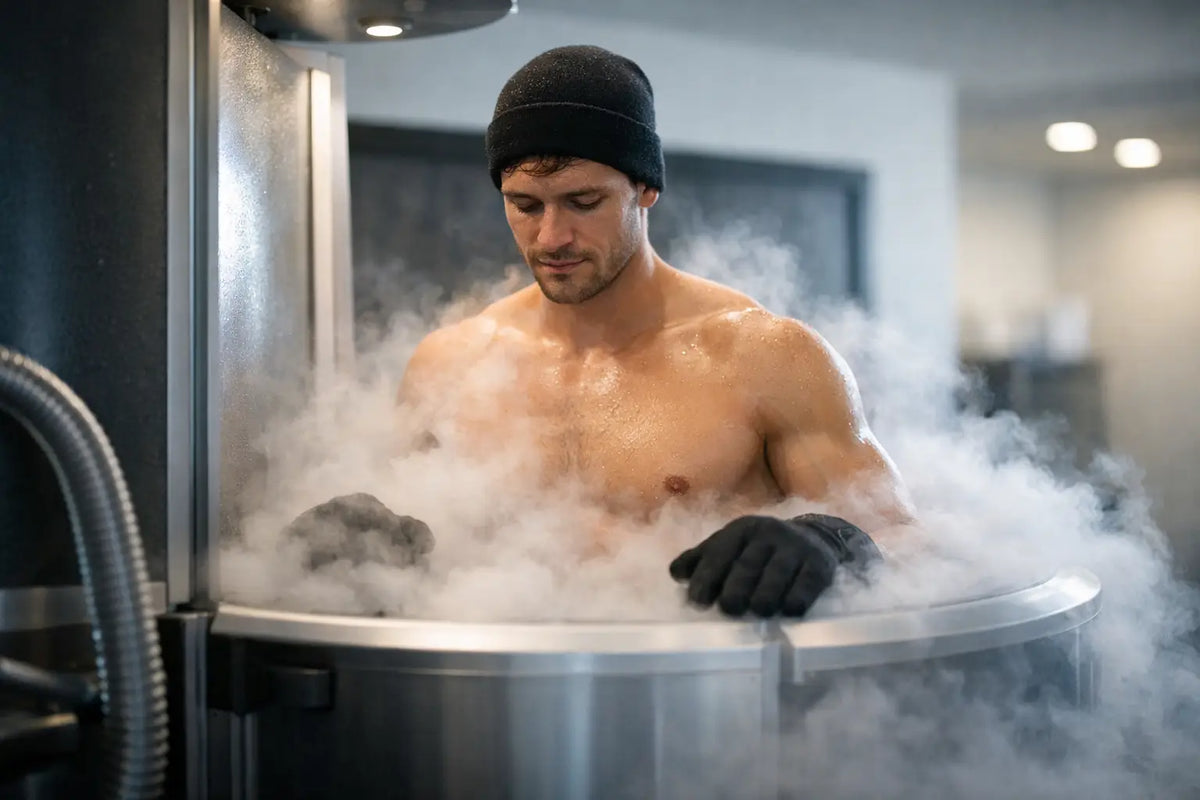
During a typical session, a client stands inside a cryotherapy chamber for roughly two to three minutes. Cold, dry air lowers skin temperature rapidly while the body remains under supervision or follows the chamber's built-in safety protocol. Users commonly seek cryotherapy for post-exercise soreness, temporary relief from muscle and joint discomfort, an energizing sensation, and a more intentional recovery routine.
The appeal is not only physiological. A brief cold exposure creates a clean break in the day. It asks for attention, steady breathing, and a willingness to step away from screens, stress, and noise. For executives, athletes, and wellness-minded homeowners, that ritual can be as valuable as the session itself.
Results are personal. Some people feel refreshed and ready to move, while others appreciate cryotherapy most after demanding workouts or travel. It should not be positioned as a cure for injury, chronic pain, depression, weight concerns, or medical conditions. Think of it as one element of a broader recovery environment that may also include heat therapy, red light, compression, mobility work, sleep, and thoughtful nutrition.
Whole Body Cryotherapy Guide: What a Session Feels Like
A premium experience starts before the cold begins. Clients should arrive with completely dry skin and clothing, remove metal jewelry, and use the protective items specified by the equipment manufacturer. Gloves, socks or slippers, and other coverage protect sensitive extremities. Moisture matters because wet skin and damp fabrics can increase the risk of cold injury.
Once the chamber starts, the air feels sharp and dry rather than wet or heavy. Most users begin with a shorter session, then progress only within the equipment's recommended parameters. Calm breathing helps. There is no prize for enduring more time than prescribed, and longer is not inherently better.
Afterward, many people walk, stretch lightly, or return to their day. A cryotherapy session should leave someone alert, not numb, dizzy, or distressed. Persistent pain, unusual skin changes, chest discomfort, shortness of breath, or lightheadedness are reasons to stop and seek appropriate medical guidance.
Cryotherapy Chambers vs. Cryosaunas
The phrase whole body cryotherapy is used broadly, but the equipment category includes meaningful differences. The right choice depends on privacy expectations, operating model, building conditions, and the level of design integration required.
Electric whole-body chambers
Electric whole-body chambers chambers use refrigeration technology to cool the full enclosure. The user enters the chamber with the head inside the unit, depending on the model. These systems are often favored for luxury homes, hotels, athletic facilities, and commercial wellness suites because they can deliver a polished, enclosed experience without relying on liquid nitrogen for each session.
Their advantages often include controlled program settings, a more immersive aesthetic, and a strong fit for facilities that value consistent daily operation. They also require careful attention to electrical capacity, clearances, ventilation, access for delivery, and manufacturer-specific installation requirements. A chamber is not simply a piece of fitness equipment placed in an unused corner. It is a major wellness amenity that deserves deliberate planning.
Nitrogen cryosaunas
Nitrogen-powered cryosaunas are typically open at the top, with the user's head remaining outside the cold compartment. They can offer a smaller footprint and are common in certain studio and spa settings. However, they require trained operation, appropriate nitrogen supply management, and serious ventilation and safety considerations.
For a commercial project, the decision should account for local codes, staff procedures, occupancy patterns, and the desired guest experience. For a private residence, an electric chamber may be more aligned with a low-friction, self-directed recovery ritual, though every project has its own spatial and infrastructure realities.
Safety Is the Standard, Not an Add-On
Cold exposure is not appropriate for everyone. Anyone with a cardiovascular condition, uncontrolled high blood pressure, poor circulation, Raynaud's phenomenon, cold hypersensitivity, significant neuropathy, pregnancy-related concerns, or a history of cold-triggered reactions should speak with a qualified clinician before using cryotherapy. People with active illness, open wounds, or impaired sensation should also avoid assuming a session is suitable.
Commercial operators need a screening process, written protocols, trained staff, emergency procedures, and a clear understanding of the chamber manufacturer's operating instructions. Equipment should never be used casually, and guests should never be left without the level of supervision the system requires.
At home, safety still requires structure. Establish who will use the chamber, where protective gear will be stored, how the equipment will be maintained, and what the rules are for guests. A premium installation should make responsible use easier, not depend on memory or improvisation.
How Often Should You Use Cryotherapy?
Frequency depends on tolerance, goals, training volume, and medical context. Some active users schedule sessions several times per week during periods of heavy training. Others use cryotherapy selectively after long flights, high-output workweeks, or physically demanding events. Starting conservatively is the intelligent approach.
Pay attention to what happens beyond the first rush of cold. Does the session support your sleep, movement, mood, and training schedule? Or does it leave you depleted, uncomfortable, or chasing intensity for its own sake? The best recovery protocol is repeatable. It should fit your life without becoming another obligation that competes with it.
Athletes should also consider timing. If a primary goal is building muscle or adapting to strength training, frequent cold exposure immediately after every session may not suit every program. This is one reason a qualified coach or sports medicine professional can be useful when cryotherapy is part of a serious performance plan.
Designing a Cryotherapy Space That Feels Intentional
A cryotherapy chamber makes the strongest impression when it belongs to a complete environment. In a private residence, that might mean positioning it near a gym, sauna, shower, and lounge area with easy towel storage and a discreet changing zone. In a hotel or club, it may sit within a recovery suite where lighting, sound, finishes, and circulation create an elevated guest journey.
The technical planning is just as important as the visual concept. Measure delivery paths, ceiling height, doorway widths, floor loading, electrical service, ventilation, drainage needs where applicable, and service access. Discuss whether the room will support one user at a time or a steady commercial flow. A beautiful room can still fail operationally if maintenance access, air handling, or staff workflow is overlooked.
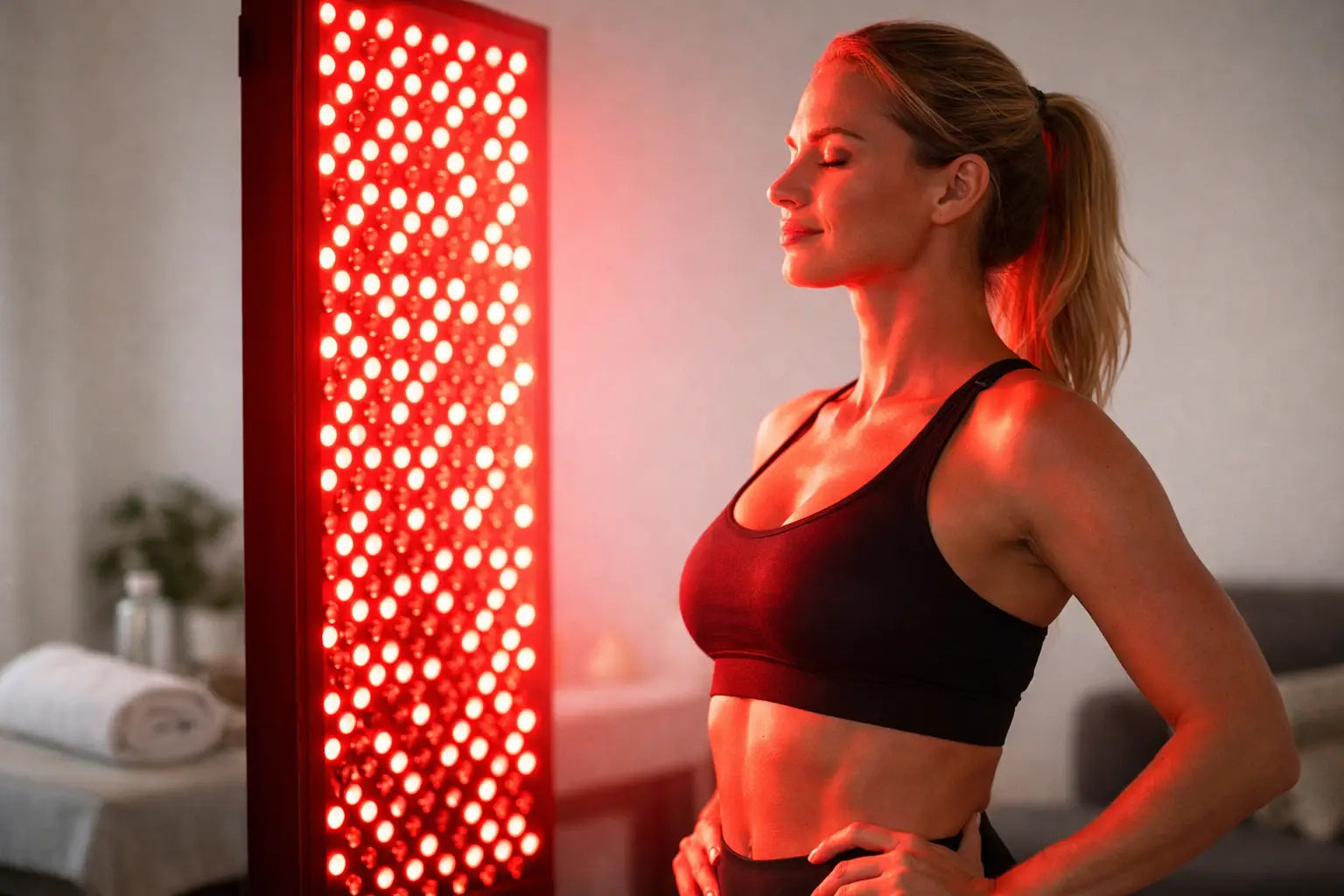
For designers and developers, cryotherapy can be a signature amenity rather than an isolated feature. It works especially well beside complementary modalities: OneBase Heat Yakisugi Infrared Sauna for heat — paired as a duo amenity with the OneBase Ice Vault — compression boots for lower-body recovery, red light therapy for a restorative pause, and a lounge designed for hydration and decompression.Strength and serenity can exist in harmony when the space is planned as a system.
Choosing the Right Chamber Investment
When comparing whole body cryotherapy equipment, look beyond the headline temperature. Consider the chamber type, user capacity, operating costs, installation needs, safety systems, controls, finish quality, warranty coverage, maintenance expectations, and the availability of professional support.
For a home buyer, convenience and visual integration often lead the decision. For a commercial buyer, throughput, reliability, staff workflow, and project coordination may carry more weight. In either case, the lowest purchase price can become expensive if it creates complications around installation, service, or the daily experience of using the equipment.
The most refined cryotherapy installation is one you will actually use. Choose a chamber and a surrounding ritual that make recovery feel private, precise, and worthy of the standards you bring to everything else
Related reading: our cryotherapy machine price guide, a closer look at cryotherapy safety considerations, and how cryotherapy compares to cold plunging.
Whole body cryotherapy is a serious investment in how you recover — and the right chamber, safety protocol, and surrounding space make all the difference. Request a Quote and let's find the cryotherapy setup that fits your goals, your space, and your standards.