Sauna Safety Tips for a Smarter Heat Ritual
A well-designed sauna should feel like a private reset, not an endurance test. The best sauna safety tips are not about pushing through discomfort for a bigger sweat. They are about creating a measured heat ritual that supports recovery, clear thinking, and the kind of longevity-minded consistency that high performers value.
Whether your sanctuary features a traditional sauna or infrared heat, the principle is the same: listen to your body before the clock. Heat can be deeply restorative when used with intention. Used carelessly, it can leave you dehydrated, dizzy, or simply unable to enjoy the ritual you invested in.
Begin With the Right Baseline
A sauna session starts well before you enter the cabin. Arrive hydrated, rested, and adequately fueled. If you have just completed a demanding workout, allow your breathing and heart rate to settle before exposing yourself to additional heat. A short transition period gives your body time to move from exertion into recovery.
Avoid using a sauna after drinking alcohol or using recreational drugs. Both can impair judgment and interfere with your body's ability to regulate temperature, increasing the chance that you miss early signs of overheating. Heavy meals immediately beforehand can also make heat feel uncomfortable. A light snack is usually more comfortable if you need one.
Your personal health history matters, too. People with cardiovascular disease, uncontrolled blood pressure, kidney disease, a history of fainting, reduced heat tolerance, or conditions that affect sweating should speak with a qualified clinician before adding sauna use to their routine. The same applies during pregnancy and when taking medications that may affect blood pressure, hydration, alertness, or temperature regulation. A premium wellness environment should accommodate the individual, not ask the individual to override sound medical guidance.
Sauna Safety Tips for Heat, Time, and Frequency
There is no prize for the hottest or longest session. The appropriate temperature and duration depend on the sauna type, your experience, your hydration status, and how you feel that day. Traditional saunas generally operate at higher ambient temperatures than infrared models, while infrared heat often feels more gradual and may suit people who prefer a lower-temperature experience.
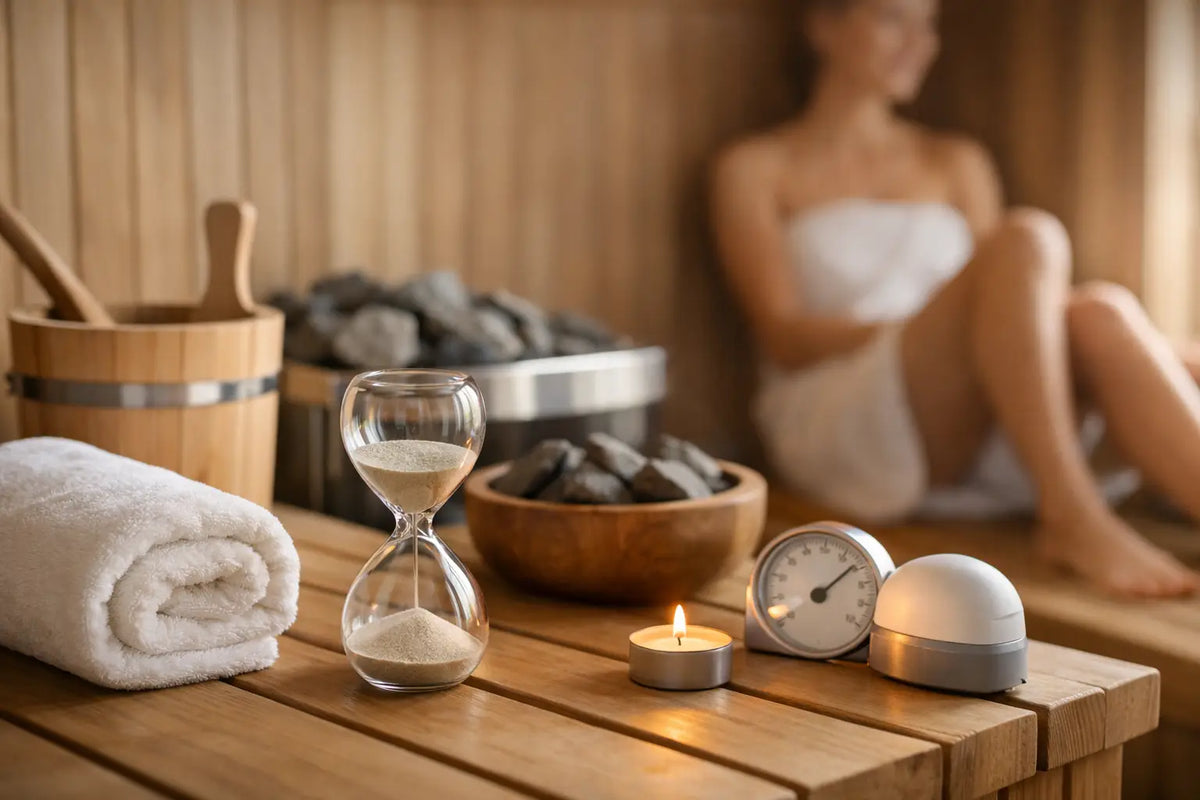
For a first session, keep the exposure conservative. Many people begin with roughly 5 to 10 minutes and assess how they feel. Experienced users may choose longer sessions, often in the range of 15 to 20 minutes, but comfort and physical response should set the limit. If a manufacturer provides operating guidance for your specific sauna, follow it.
Frequency deserves the same restraint. A consistent routine of moderate sessions can be more enjoyable and sustainable than sporadic, extreme use. On days when you are sick, sleep-deprived, unusually fatigued, dehydrated, or recovering from a hard night of travel, reduce the session or skip it. Recovery is not a test of discipline when the body is signaling for rest.
Use Sensation, Not Willpower, as Your Cue
Step out immediately if you feel lightheaded, nauseated, weak, confused, short of breath, develop a headache, experience chest discomfort, or notice an unusually rapid or irregular heartbeat. These are not sensations to breathe through or normalize. Exit carefully, sit or lie down in a cooler area, and hydrate. Seek urgent medical care for severe symptoms, chest pain, fainting, or symptoms that do not resolve.
It is also wise to stand slowly when leaving the sauna. Heat can dilate blood vessels, and a quick change in position may cause a drop in blood pressure or a dizzy spell. Give yourself a moment on the bench, then move deliberately.
Hydrate With More Than Good Intentions
Sweating is part of the experience, but it is also fluid loss. Drink water before and after your session, and keep it accessible nearby. The exact amount varies with body size, session length, ambient conditions, exercise, and your normal health needs. The practical goal is simple: do not enter thirsty, and do not finish a session without replacing fluids.
After a long workout or an especially sweaty sauna session, an electrolyte beverage may be appropriate for some people. It depends on your diet, medical needs, and how much fluid you have lost. Those who have been advised to restrict fluids or sodium should follow their clinician's recommendations rather than a generic hydration rule.
Caffeine is not automatically off-limits, but timing matters. If it leaves you jittery, elevates your heart rate, or contributes to dehydration, save it for another part of the day. The same thoughtful approach applies to fasting. Some experienced sauna users are comfortable with it, while others feel faint in the heat. Your ritual should sharpen your recovery, not compromise it.
Build a Safer Home Sauna Environment
True luxury also means confidence in the details you do not notice until something goes wrong. A home sauna needs proper electrical installation, ventilation, clearances, and adherence to the manufacturer's instructions. Never treat a sauna heater, electrical connection, or control panel as a do-it-yourself experiment if the installation calls for a licensed professional.
Keep towels, robes, paper products, fragrances, and other combustible materials away from the heater. Do not cover vents or place objects on a heater unless the equipment manufacturer specifically permits it. If your model allows water on sauna stones, use only the amount and method directed by its instructions. Essential oils should be used with equal care, since concentrated oils can irritate skin and airways, damage certain surfaces, or create avoidable risks when applied improperly.
The room itself should be clean, dry where it needs to be dry, and free of trip hazards. Use a towel on the bench for comfort and hygiene. Check that doors open easily from the inside and are never blocked. If children, older adults, or guests will use the sauna, make the controls and exit path intuitive. Supervision may be necessary for anyone who cannot reliably recognize overheating or leave independently.
For commercial settings, these standards become part of the guest experience. Clear operating instructions, routine equipment inspections, reliable ventilation, and trained staff protect both the user and the integrity of the amenity. In a boutique hospitality or residential wellness space, safety is not separate from luxury. It is what allows every guest to relax into the experience.
Cool Down Without Creating a Shock Response
The period after heat exposure deserves as much attention as the session itself. Leave the sauna, sit in a temperate area, drink water, and allow your heart rate to settle. A lukewarm or cool shower can feel excellent, but it does not need to be punishing.
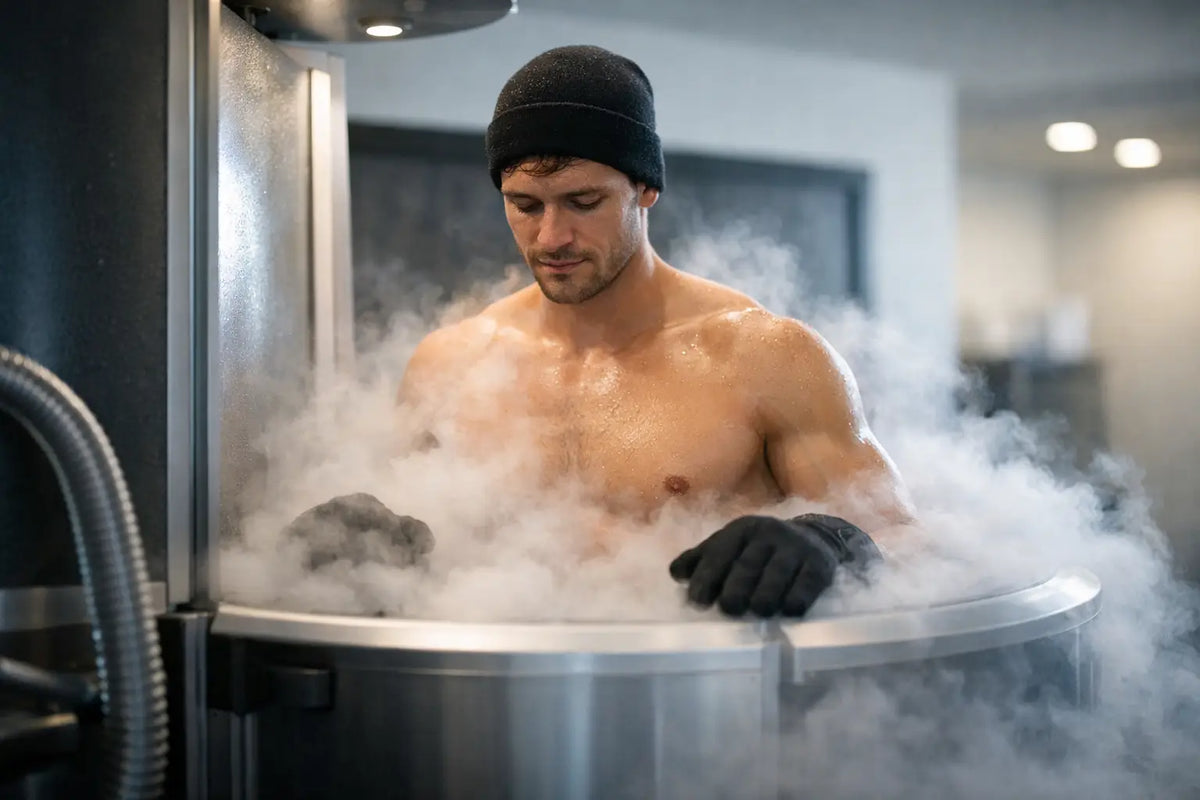
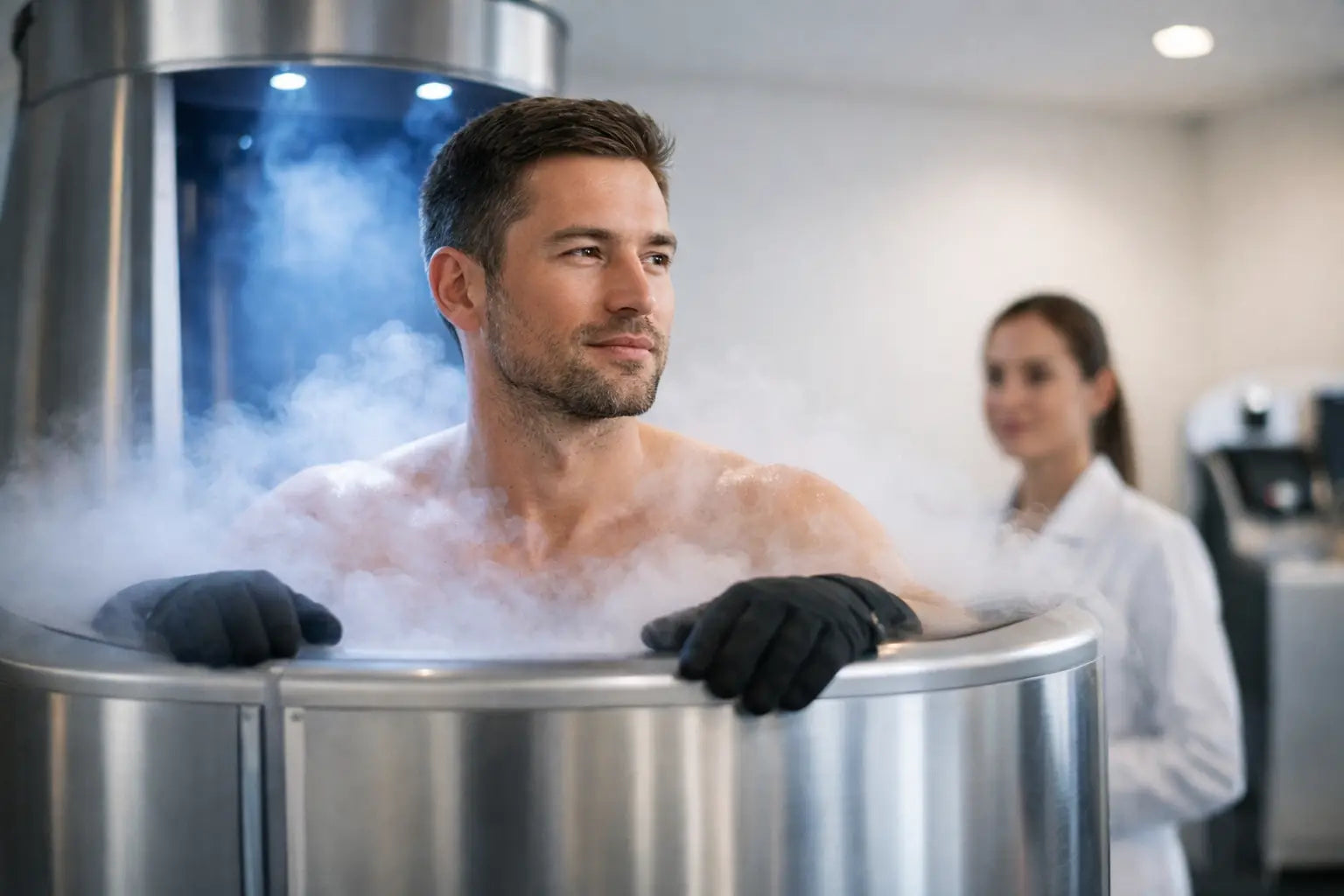
Cold plunging immediately after sauna use is popular, particularly among athletes and recovery enthusiasts. Yet the contrast is not appropriate for everyone. Sudden cold exposure can create a dramatic cardiovascular response, so people with heart conditions, blood pressure concerns, circulation issues, or a history of fainting should consult a clinician before trying it. Even healthy, experienced users benefit from a gradual approach rather than treating extreme contrast as a requirement.
If you do choose contrast therapy, keep the transition intentional. Regain steady breathing first, enter cold water slowly, and stop if you feel panicked, numb, dizzy, or unwell. The refined ritual is the one you can repeat safely, not the one that creates the biggest story.
Let Your Routine Evolve With Your Body
The most sophisticated sauna practice is responsive. Track the basics for a few weeks: session length, temperature, hydration, sleep quality, training load, and how you feel afterward. You may find that a shorter infrared session supports an evening wind-down, while a traditional sauna feels best on a non-training day. You may also find that the protocol that worked in winter needs adjustment during a hot summer week.
At Luxe Vida Wellness, a complete wellness sanctuary is designed around the person using it, from equipment selection to thoughtful setup. The same philosophy belongs in daily use. Choose a level of heat that feels restorative, protect the quiet time afterward, and let comfort guide the standard. Your sauna should leave you composed, replenished, and ready to return to the life you built it to support.
A safer sauna ritual starts with the right equipment, properly installed, and calibrated to how you actually recover. Request a Quote and let's build a heat ritual — and the space around it — that's designed to support you, not test you.