Red Light Panels for Elevated Daily Recovery
A demanding schedule has a way of exposing every weak point in a recovery routine. The late meeting, the early flight, the hard training block, the sleep that was almost enough. Red light panels create a private, consistent place to slow down and support the rituals that help you feel prepared for what is next - without adding another appointment to the calendar.
For a high-performance home, private studio, or hospitality wellness suite, the right panel is not simply a light on a stand. It is a design and performance decision. Coverage, output, wavelength range, controls, placement, and visual finish all shape whether the experience becomes a daily standard or an expensive piece of equipment left unused.
What Red Light Panels Are Designed to Do
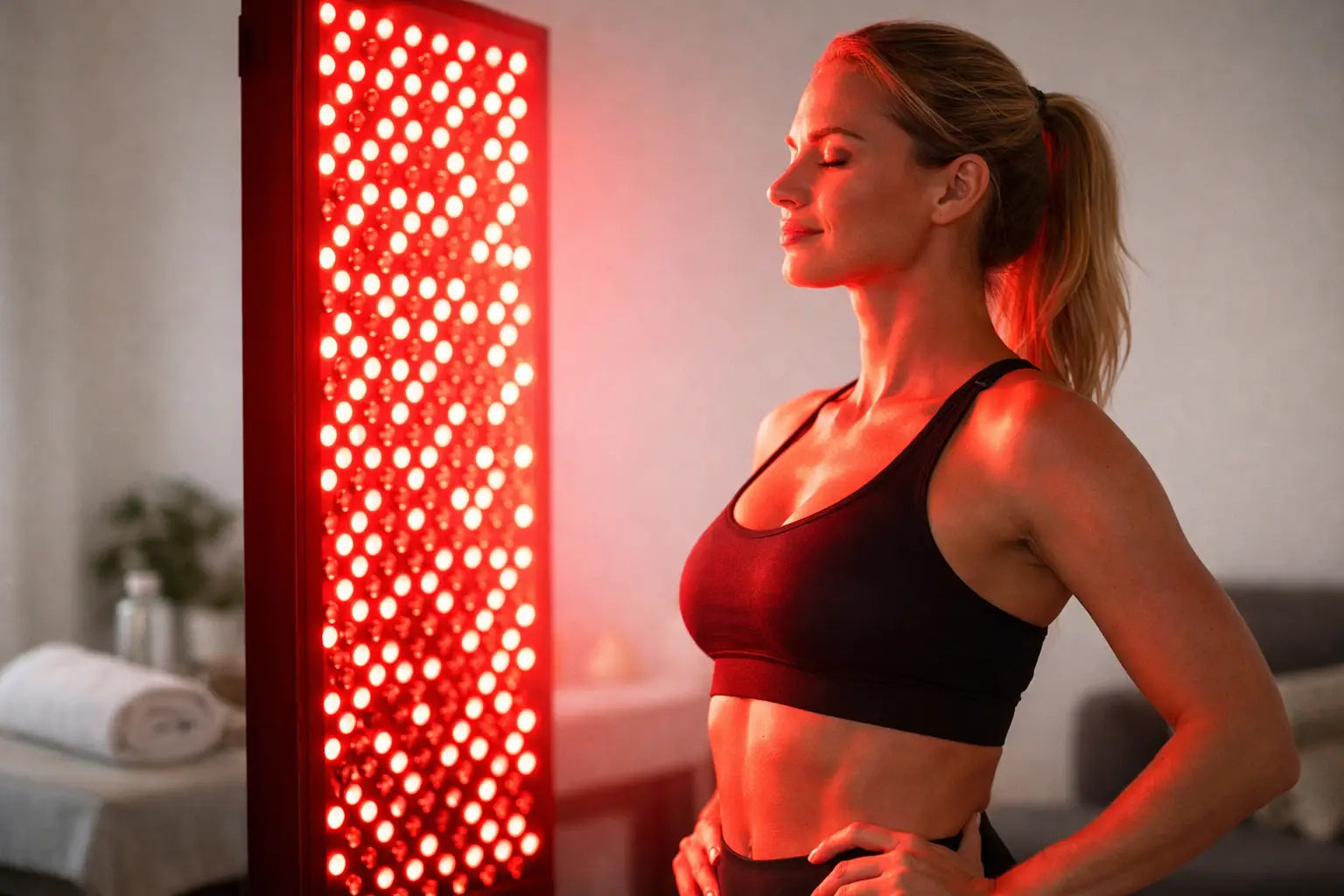
red light panels use targeted wavelengths of visible red and near-infrared light. Red wavelengths are generally used closer to the surface of the skin, while near-infrared light is not visible and is commonly selected for deeper tissue-focused applications. Together, they are often used to support a recovery-minded routine centered on post-training comfort, skin appearance, circulation, relaxation, and overall vitality.
The appeal is straightforward: a session can fit into the margin of a real day. Stand before a panel after a workout, before a shower, or as part of an evening wind-down. There is no cold exposure to brace for and no long recovery window to schedule around.
That said, red light therapy is not a substitute for medical care, quality sleep, nutrition, or intelligent training. Results vary with the individual, the device, the protocol, and the concern being addressed. A premium panel should support disciplined self-care, not promise a shortcut around it.
Choosing Red Light Panels That Fit the Space
The most compelling panel is not always the largest or most powerful model on paper. The best choice is the one that matches how, where, and how often it will be used.
Start with treatment coverage
compact panel can be an excellent choice for targeted sessions at a desk, beside a massage table, or in a dressing area. It works well when the focus is on the face, neck, shoulders, knees, or a specific area after training. Full-body panels offer a different experience: more efficient sessions, fewer position changes, and a stronger sense of ritual for someone using light therapy several times each week.
For a primary residence, a tall panel in a dedicated recovery room may be the most practical investment. In a smaller home gym, a modular or wall-mounted model can preserve floor space while still covering much of the body. For commercial settings, multiple panels or a larger-format system may make more sense when throughput and user comfort matter as much as individual treatment time.
Look beyond a single output claim
Irradiance, usually expressed in milliwatts per square centimeter, describes the intensity of light delivered at a stated distance. It matters, but it should never be evaluated alone. Marketing figures can be presented at different distances and under different testing conditions, which makes simple side-by-side comparisons unreliable.
Ask how the manufacturer states output, at what distance it was measured, and what recommended session times accompany that measurement. A well-designed panel provides enough practical intensity for efficient sessions while still giving the user flexibility to adjust distance and duration. More output is not automatically better if it encourages overly aggressive use or makes a device uncomfortable to stand in front of.
Prioritize useful wavelengths and controls
Many premium panels combine red and near-infrared wavelengths, commonly within ranges studied for photobiomodulation. The exact blend matters less than whether the device provides a deliberate, clearly communicated system rather than a vague promise of "full spectrum" performance.
Independent control over red and near-infrared modes adds value for users who want to tailor the experience. Adjustable brightness, built-in timers, pulsing options where appropriate, and simple remote or app controls can also make consistent use easier. Technology should refine the ritual, not complicate it.
Consider the physical experience
A panel may be technically impressive and still feel wrong in a refined interior. Cable management, stand quality, heat, fan noise, control placement, and the finish of the frame all influence whether the equipment belongs in the room.
For a private sanctuary, consider wall mounting or a rolling stand that allows the panel to move between a training area and a recovery zone. In a luxury residence or hospitality property, installation planning should happen before furniture placement and electrical decisions are finalized. The difference between equipment that is merely present and equipment that feels intentionally integrated is often decided before delivery day.
How to Use a Panel Consistently
The most effective protocol is the one you will actually maintain. Most people benefit from beginning with shorter sessions and following the manufacturer’s guidance for distance, timing, and frequency. Starting conservatively also gives you an opportunity to notice how your skin, comfort level, and routine respond.
Position the area you wish to treat toward the panel, with clean, bare skin when possible. Heavy clothing blocks light, and some topical products may not be appropriate immediately before a session. Protective eyewear may be recommended depending on the device, the setting, and personal sensitivity. Do not stare directly into bright LEDs.
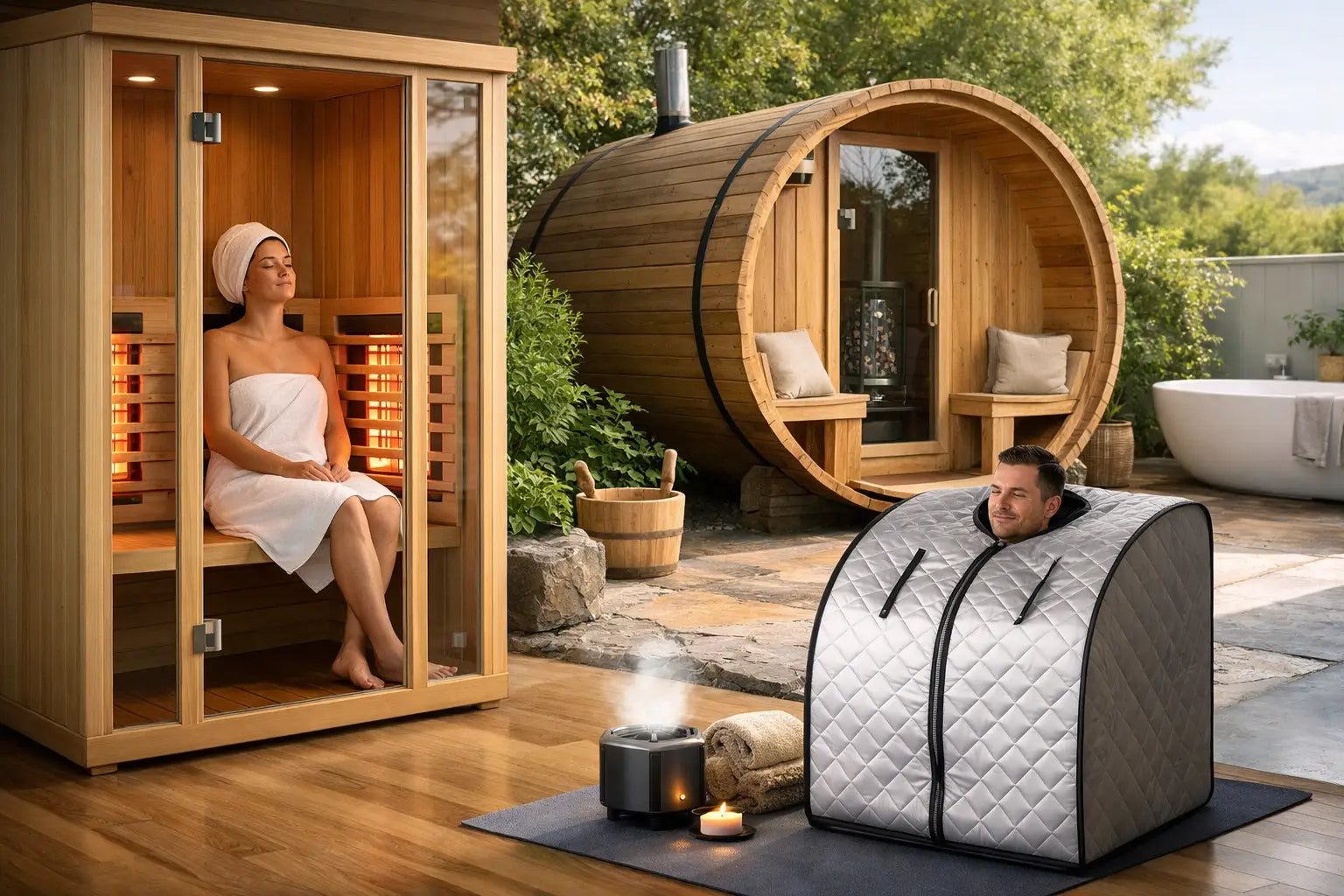
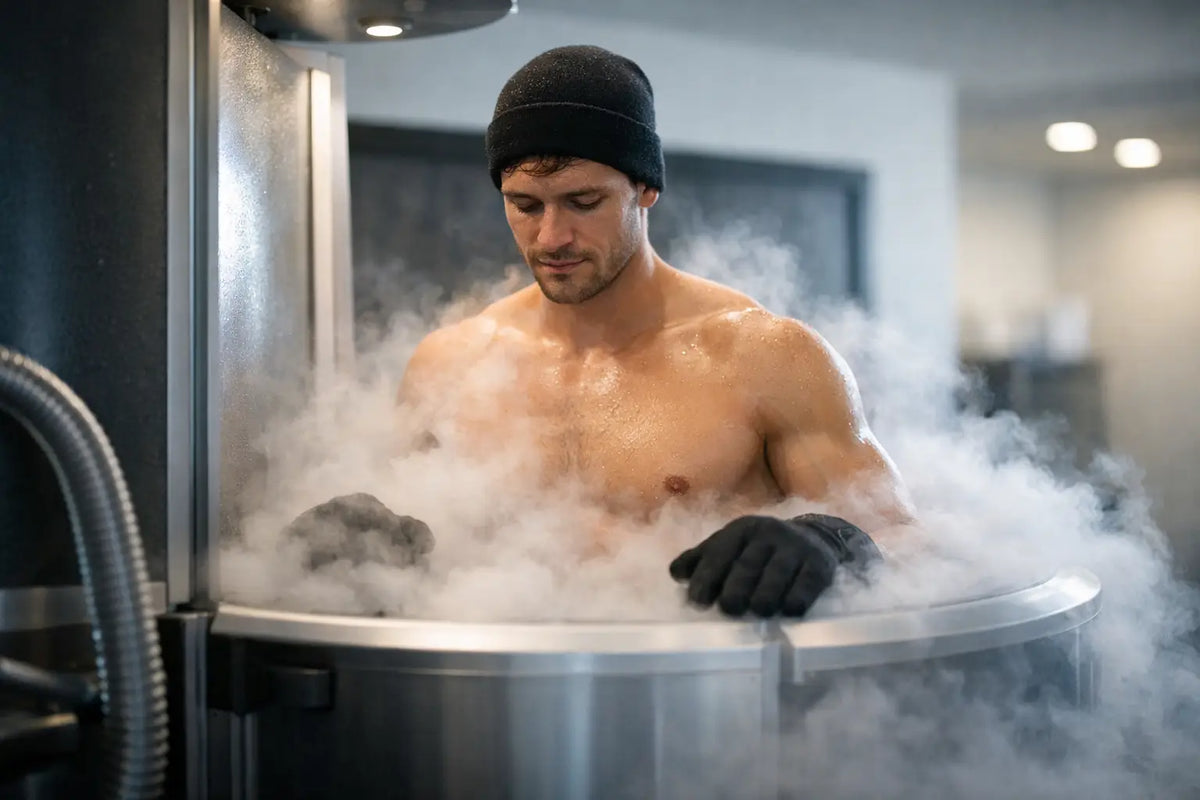
Consistency usually matters more than marathon sessions. A brief morning session may complement a pre-work training routine. An afternoon session can become a useful transition after travel or a demanding workday. For others, the panel belongs beside a sauna, cold plunge, compression system, or massage chair creating a complete recovery circuit with purpose rather than excess.
If you are pregnant, have a diagnosed medical condition, use photosensitizing medications, or are managing an eye condition, speak with a qualified healthcare professional before beginning red light therapy. The same caution applies to anyone treating a specific injury, skin condition, or pain concern. Premium wellness equipment deserves a thoughtful protocol.
Designing a Recovery Sanctuary Around Light Therapy
A red light panel can stand on its own, but it becomes more valuable when it is part of a space that removes friction from recovery. The strongest wellness rooms make the next restorative choice feel obvious.
Place the panel where there is enough clearance to stand comfortably at the recommended distance. Use a stable surface or commercial-grade mount, particularly in homes with children or pets and in shared facilities. Nearby storage for eyewear, towels, water, and device instructions keeps the experience composed. Soft ambient lighting, durable flooring, and a place to sit between modalities can turn a functional room into a true retreat.
For larger projects, sequencing matters. Electrical capacity, wall backing, ventilation, delivery access, freight timing, and assembly requirements should be considered alongside the interior design. A panel may be simple to use, but a polished installation benefits from professional coordination. This is especially true in boutique fitness concepts, destination spas, multifamily amenity spaces, and high-end residential developments where every detail contributes to the guest experience.
Luxe Vida Wellness approaches these environments as complete wellness systems, helping clients align premium equipment with the room, the recovery goals, and the level of service expected from the finished space.
Questions Worth Asking Before You Buy
Before choosing a model, clarify whether you need targeted or full-body coverage, whether it will be used by one person or many, and whether the panel must be portable, mounted, or integrated into a broader suite. Confirm the manufacturer warranty, electrical requirements, mounting options, product dimensions, and what is included with the purchase.
For a larger investment, ask about freight delivery, white-glove service, installation coordination, and support after setup. These details are not peripheral. They protect the experience and help ensure the equipment is ready to serve its intended purpose from the first session.
A red light panel earns its place when it makes recovery feel less like another task and more like a moment of ownership. Choose one that complements your pace, respects your space, and gives you a reason to return to the ritual tomorrow.
For more, see what to know before buying a red light therapy device and examples of well-designed red light studios.
A red light panel should feel like a natural extension of your space, not just another piece of equipment. Request a Quote and let's find the coverage, output, and setup that fits your recovery routine.