7 Red Light Studio Examples That Feel Elevated
A red light room should never feel like an afterthought wedged between a treadmill and a storage closet. The best red light studio examples make light therapy feel intentional: private enough for a daily ritual, refined enough for a luxury residence or hospitality setting, and practical enough to support consistent use.
For an executive managing long days, an athlete training at a high level, or a hotel guest seeking restoration between commitments, the atmosphere matters as much as the equipment. The right studio balances clinical-grade performance with quiet visual confidence. It becomes a place to reset, not another room demanding attention.
What Makes a Red Light Studio Feel Complete?
A successful red light studio begins with the user experience. Before specifying a panel, bed, or booth, decide whether the space is intended for a quick pre-training session, a full-body recovery ritual, private skincare support, or a broader longevity circuit. That purpose determines the equipment format, square footage, lighting, finishes, and the level of privacy required.
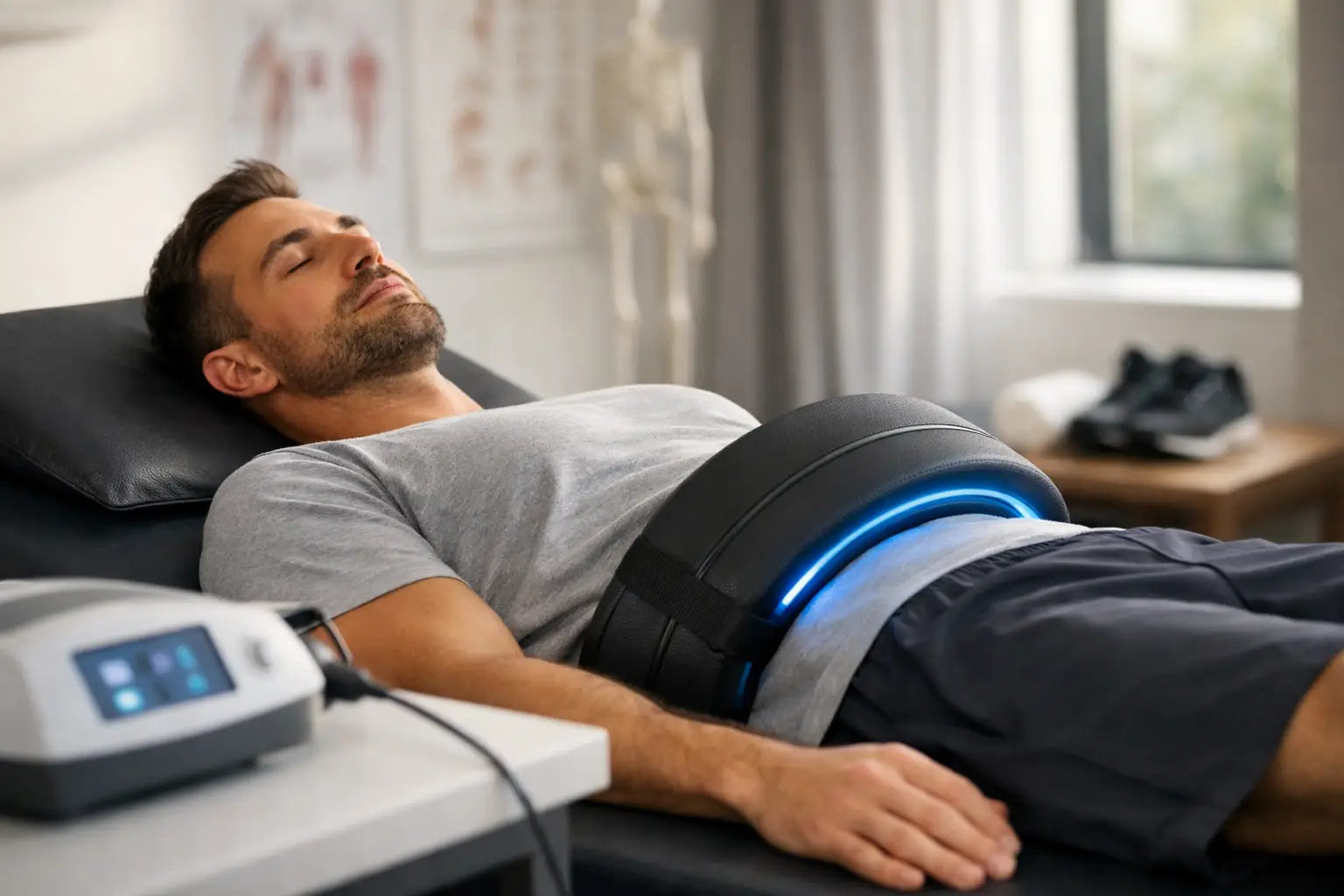
Full-body red light beds create a striking anchor in a dedicated recovery room and can support a high-throughput commercial environment. Vertical panels are more flexible, often suiting home gyms, treatment rooms, and compact wellness suites. A panel arrangement can also be designed around seated or standing use, though coverage, session flow, and available clearance should be considered from the beginning.
The most elevated spaces avoid visual noise. Concealed storage, integrated timers, a bench or upholstered lounge chair, towel service, and soft ambient lighting give the room a composed hospitality feel. Red light is the feature, not the entire design language.
7 Red Light Studio Examples for Premium Spaces
1. The Private Home Recovery Gallery
This concept suits a primary residence where recovery is part of the household routine. Position a full-body red light bed or a pair of high-output panels in a dedicated room adjacent to a home gym, sauna, or cold plunge. The ideal layout allows a user to move through modalities without crossing a busy living area.
Use warm oak, honed stone, bronze hardware, and low-glare architectural lighting to create a calm, residential expression. A built-in cabinet can hold eye protection, clean towels, charging cables, and skincare essentials. The result feels less like a treatment clinic and more like a private members' club reserved for one household.
2. The Executive Suite Reset Room
For a high-performing professional, the value of a studio often comes down to friction. A well-appointed red light room off a primary suite or private office makes it possible to step in for a consistent session without leaving home or rearranging the day.
Here, a premium vertical panel may be the more elegant choice. It requires less floor space than a bed, offers a clean silhouette, and can be paired with a sculptural chair for seated use. Add acoustic treatments, a concealed air return, and dimmable perimeter lighting so the room feels quiet even when the rest of the home is active.
3. The Training Floor Recovery Corner
A serious home gym does not need to become a medical-looking lab. In this example, red light therapy occupies a defined recovery zone at the perimeter of the training floor, separated from strength equipment by a wood slat screen, fluted glass partition, or custom millwork.
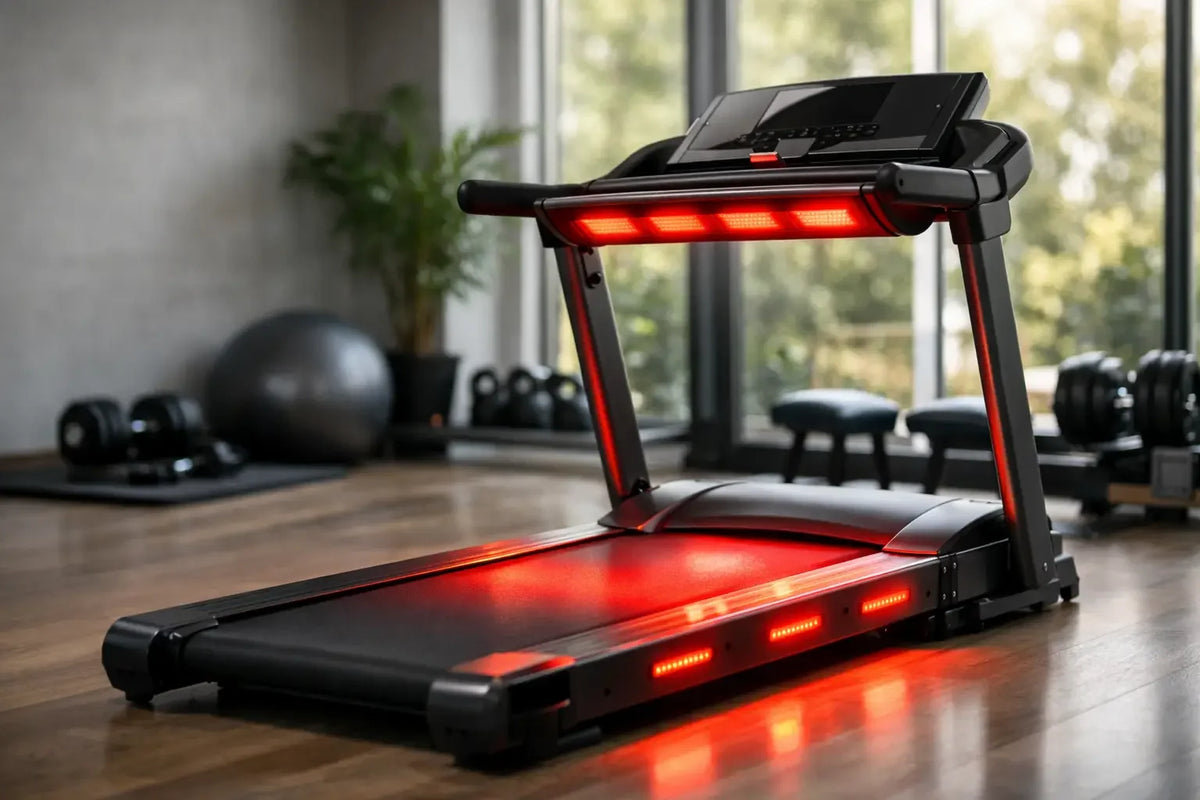
Panels work especially well here because they can be used before or after training without expanding the room's footprint dramatically. Leave adequate open area around the equipment so users can position themselves comfortably, follow the manufacturer's recommended use guidance, and avoid disrupting other training stations. Nearby hydration, a sauna, and a massage chair create a concise but powerful post-workout circuit.
4. The Boutique Fitness Club Recovery Lounge
In a premium club, a red light studio can be a genuine membership differentiator rather than an accessory. Design it as a reservable recovery lounge with one or two full-body systems, clear session timing, an inviting check-in moment, and materials that can withstand frequent cleaning.
The trade-off is throughput. A private, single-user room creates exclusivity but serves fewer members; a larger studio with multiple panels supports more appointments but needs more careful sound control and visual separation. Frosted glass, individual prep zones, and a polished concierge process help preserve privacy without making the room feel closed off.
5. The Spa Ritual Suite
A spa setting benefits from a slower, more sensory interpretation. Rather than placing the red light device in a bright treatment room, build it into a ritual suite that transitions guests from heat, bodywork, or hydrotherapy into a period of stillness.
Choose layered lighting that can dim before the session begins, tactile wall finishes, and a comfortable changing area. The red light equipment should remain easy to access and clean, but cords, controls, and supplies should be visually resolved. This is where luxury in every ray becomes tangible: refined details encourage guests to stay present long enough to make the ritual feel restorative.
6. The Hotel Wellness Amenity
Hotels and destination properties can use red light therapy to offer a wellness amenity that feels current, efficient, and memorable. A compact studio near the fitness center, spa, or pool deck can serve guests who want recovery after travel, training, or a demanding day of meetings.
Durability and operating clarity matter more in this setting. Specify commercial-appropriate equipment, finishes that tolerate high turnover, and a simple reservation process. Staff should know the basic operating protocol, cleaning expectations, and manufacturer safety instructions. A beautifully designed room will not deliver a world-class hospitality experience if guests are uncertain how to use it.
7. The Residential Development Wellness Floor
For luxury multifamily, condominium, and private-club developments, red light therapy is most compelling as part of a complete recovery suite. Place it near infrared sauna, cold plunge, compression, or meditation spaces, while still giving the red light area its own visual identity.
This model benefits from a mix of formats. A full-body bed can function as the flagship amenity, while panels add flexible capacity for residents who prefer shorter sessions. Proper electrical planning, ventilation coordination, access control, and service pathways should be established early with the project team. The best amenity floors feel effortless to residents because the operational decisions were handled long before opening day.
Design Decisions That Protect the Experience
Red light studios look polished when the technical details are planned rather than concealed at the last minute. Start with the equipment footprint, required clearances, power requirements, wall reinforcement if applicable, and a clear route for delivery and installation. A red light bed may require more room to maneuver and service than its finished appearance suggests, while panels require thoughtful placement to maintain usable circulation.
Privacy is equally important. Consider whether the room needs a locking door, occupancy indicator, changing bench, robe hooks, and storage for protective eyewear. If the studio is commercial, include durable seating and surfaces that can be cleaned easily between appointments without losing their elevated finish.
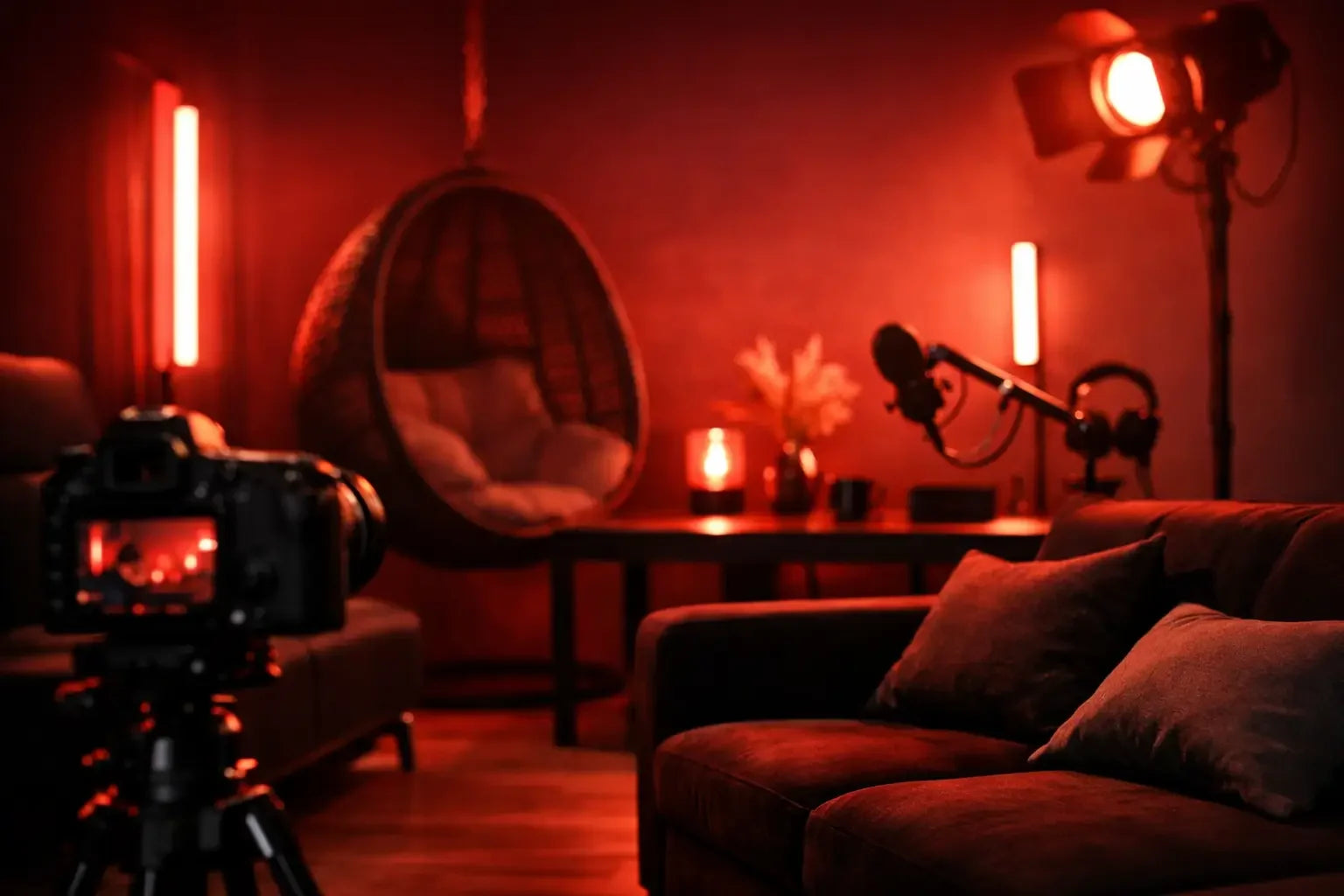
Color temperature deserves restraint. Avoid competing cool overhead light that makes the space feel sterile. Warm, dimmable ambient lighting lets the red light session remain the visual focal point while preserving a relaxed transition before and after use.
Specify the Studio Around Real Use
The right equipment is not automatically the largest system or the most dramatic installation. A homeowner who values a five-minute transition from gym to recovery may be better served by premium panels placed exactly where they will be used. A resort or athletic facility with high guest volume may justify a full-body bed, multiple rooms, and a formal booking model.
Consider the full ecosystem as well. Infrared heat, cold exposure, PEMF, compression, and massage can complement a red light studio, but combining every modality in one room can make the space crowded and difficult to maintain. It depends on available square footage, user volume, desired pace, and the level of staff support. A focused room with exceptional execution is more valuable than an overfilled room with no clear ritual.
For custom residential and commercial projects, Luxe Vida Wellness can help align equipment selection with layout, delivery coordination, installation planning, and the distinct character of the property. The goal is not simply to place technology in a room. It is to create a recovery environment people return to willingly.
A well-designed red light studio gives recovery a permanent place in the day. When performance, privacy, and design are considered together, that space becomes a standard worth keeping.
For more, see our guide to choosing red light panels and what to look for in a red light therapy bed.
Ready to design your own red light studio? Start your wellness space project with the Luxe Vida Wellness team.