Infrared Treadmill Buyer Guide for Home Gyms
A serious training schedule does not always leave room for a separate cardio session, sauna visit, and recovery ritual. An infrared treadmill brings those priorities into one private setting: controlled walking or jogging paired with radiant heat, designed for people who want more from their daily movement. This infrared treadmill buyer guide focuses on the decisions that distinguish a thoughtful long-term investment from an impressive-looking machine that does not fit your body, space, or routine.
For a high-performance home, the right choice should feel less like a piece of gym equipment and more like a dedicated recovery environment. It should support consistent use, complement the visual standard of the room, and arrive with a level of service appropriate to its size and value.
What an Infrared Treadmill Is Designed to Do
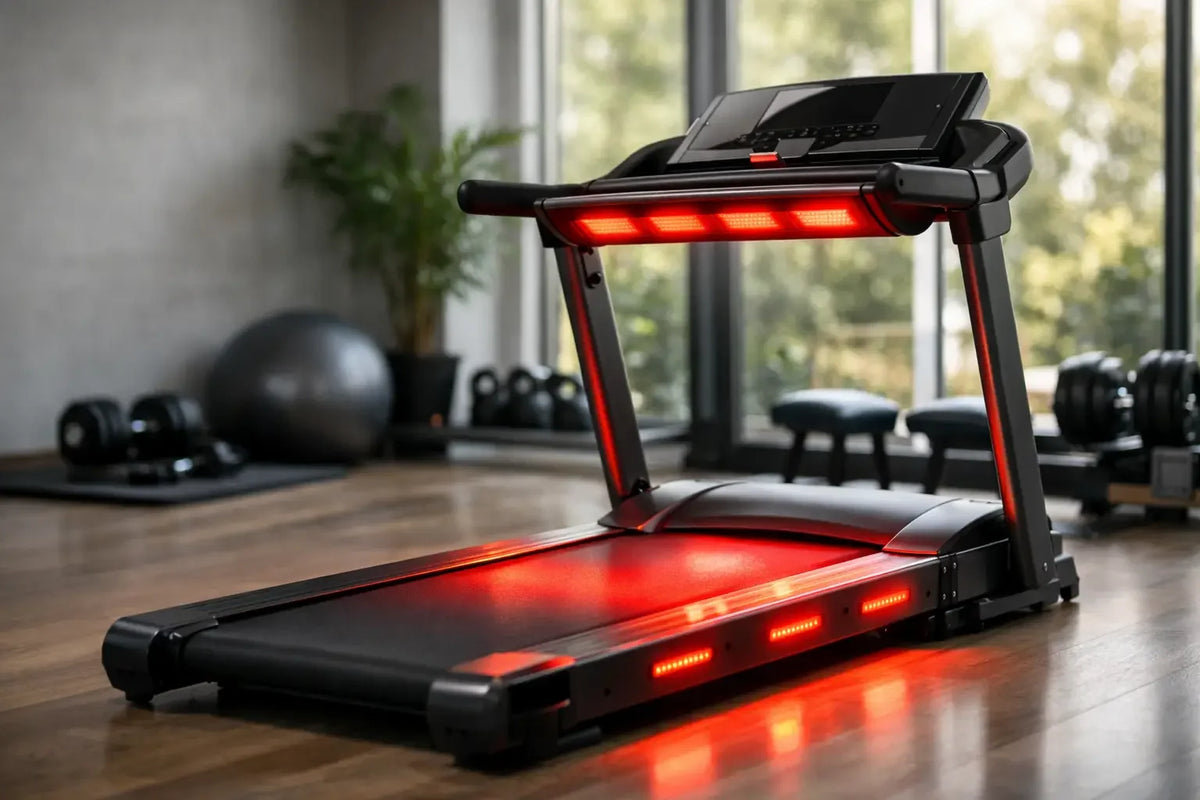
An infrared treadmill combines a motorized walking or running deck with infrared heating elements, either built into an open, low-profile deck or housed within a sealed vacuum capsule around the lower body. The aim is to pair cardiovascular work with the warming experience of infrared heat. Depending on the model, a session may be intended for steady walking, light jogging, or more traditional treadmill training.
The appeal is practical. Gentle movement can elevate circulation and warm tissues before or after training, while radiant heat can make the experience feel restorative and intentionally paced. Many owners use an infrared treadmill as a morning ritual, a low-impact conditioning session, or a decompression period after long days of travel, meetings, and demanding workouts.
It is not a replacement for every form of cardio. If your priority is repeated sprint work, marathon training, or high-speed intervals, a commercial performance treadmill and a separate infrared sauna may serve you better. Infrared treadmill systems are most compelling when walking-based conditioning, heat exposure, convenience, and privacy are part of the same standard.
Start With the Training Experience You Want
Before comparing heater types or touchscreen specifications, decide how you expect to move. This single question narrows the field quickly.
Pace and Training Style
The two treadmill formats take genuinely different approaches to movement, so start by deciding which experience matches your routine.
The InfraRunick is built around a conventional, ergonomic running deck — low-impact and joint-friendly, with adjustable speed control, layered with deep infrared heat rather than replacing traditional treadmill mechanics. If you want a machine that slots into an existing cardio routine, supports both walking and running pace, and simply adds heat on top, this format is the more direct fit.
The VacuStar line takes a different approach: a negative-pressure vacuum capsule around the lower body replaces a conventional running deck, pairing infrared heat with vacuum resistance for a walking-paced, zero-impact session. Here, the settings that matter are vacuum intensity and thermal contrast rather than speed — closer to a body-sculpting and recovery ritual than a training tool.
Neither format currently offers incline. If incline range is central to your training, a standard incline treadmill paired with a separate infrared sauna session will serve that goal better than either infrared treadmill format.
Open Design or Enclosed Cabin
The InfraRunick keeps the familiar, open profile of a conventional treadmill — easier to step onto, less visually imposing, and well suited to a shared home gym or a room where the equipment needs to blend into a broader training setup.
The VacuStar and VacuStar Dream take the opposite approach: a sealed, zero-gravity vacuum capsule that creates a stronger sense of retreat and a more concentrated infrared and vacuum-resistance experience. The Dream tier adds built-in cryo cooling and collagen lamp therapy on top of the base VacuStar's vacuum, heat, and active-cooling contrast — worth the upgrade if you want the full spa-tier feature set rather than the core infrared-vacuum experience.
The better choice is personal: some buyers want an enveloping, capsule-style sanctuary; others want the familiar feel and easier entry of an open deck.
Heat Technology Matters, but Control Matters More
Infrared systems are often described by the wavelength range they use: near, mid, far, or a combination of all three. Each category is associated with different heat characteristics, but the ownership experience depends just as much on temperature range, even heat distribution, warm-up time, and the ability to adjust settings during a session.
A premium system should allow you to build gradually. A lower setting may be preferable when you are new to heat training, returning after a demanding workout, or using the unit later in the evening. A higher setting may suit experienced users who understand their own tolerance and maintain sound hydration habits.
Avoid buying solely on the promise of the hottest possible cabin. More heat is not automatically better. The best infrared treadmill lets you maintain a level at which you can breathe comfortably, move with good form, and finish the session feeling restored rather than depleted. If you have a cardiovascular condition, are pregnant, take medications that affect heat tolerance, or have any health concern, speak with a qualified clinician before beginning heat-based exercise. If you are considering a vacuum-capsule model, the same guidance applies to a history of blood clots, deep vein thrombosis, or severe varicose veins, since negative pressure adds another variable a clinician should weigh in on.
The Infrared Treadmill Buyer Guide to Space Planning
Luxury is often felt in the details no one sees at first glance: the clear walkway around a machine, the outlet placed exactly where it belongs, the ceiling height that keeps the room open, and the absence of equipment crammed into a corner.
Measure the footprint of the unit and then plan for clearance around it. You need space for safe entry and exit, access for cleaning and service, and natural circulation through the room. If the model has doors, panels, or an enclosure, account for their full swing. Consider your ceiling height as well, especially if the platform sits above floor level or the unit includes an overhead frame or enclosure.
Electrical requirements deserve early attention. Some systems run on a standard household outlet; others require a dedicated circuit or higher-voltage connection. Confirm the requirements before delivery, not after the equipment is in your home. A licensed electrician can evaluate the circuit, outlet placement, and any code considerations specific to your property.
Ventilation is another planning point. Infrared heat does not create steam, but the room will still become warm during use. A well-designed home gym or recovery suite benefits from reliable airflow, temperature control, and surfaces that are easy to maintain. In a commercial setting, these decisions should be coordinated with the broader mechanical, electrical, and interior design plan.
Assess the Treadmill as Carefully as the Heat System
Heat may be the signature feature, but the treadmill remains the foundation of the experience. A refined enclosure cannot compensate for a shaky deck, undersized motor, or controls that are frustrating to use.
Look for a deck that feels stable under your normal stride, especially if you are taller or heavier. Review the stated user weight capacity with a margin rather than buying at the limit. Pay attention to belt width and length, deck cushioning, handrail placement, and the ease of stepping on and off while the cabin is warm.
The motor should match your intended use. Walking-focused models may not need the same motor specification as a running treadmill, but they still need to operate smoothly and quietly over time. Noise matters in a private residence, particularly when the machine sits near bedrooms, offices, or a meditation space.
Controls should be immediate and intuitive. During heat exposure, you do not want to navigate a complicated interface to lower the temperature, reduce speed, or end a session. Physical quick-access controls, a clearly positioned emergency stop, and easy-to-read displays are not minor conveniences. They are part of a safe, confident ownership experience.
Safety and Comfort Are Premium Features
A well-specified infrared treadmill should include an emergency stop mechanism, secure handholds, slip-resistant entry surfaces, and heat-safe construction. Ask how hot exterior surfaces become, whether the cabin has adequate airflow, and how the unit handles extended operation. If multiple people will use the machine, choose a design with simple profiles or settings that can be adjusted without guesswork.
Comfort determines whether the equipment becomes a daily ritual. Consider where you will place a towel, water, phone, or remote. Check the cabin dimensions while wearing the clothing you would actually use. If possible, assess the entry height and handrail position rather than judging only from product photography.
For buyers who value a more polished environment, finish quality deserves scrutiny. Wood tones, glass, metal trim, display integration, and cord management all influence whether the equipment belongs in a luxury home gym or disrupts it. Strength and serenity should exist in harmony, not compete for attention.
Plan for Delivery, Installation, and Long-Term Support
An infrared treadmill is not a parcel that should be left at the curb. Its size, weight, electrical needs, and placement within the home make delivery coordination part of the purchase decision. Confirm whether your provider offers threshold delivery, room-of-choice placement, assembly, and white-glove setup. For upper-floor installations or difficult access points, share measurements for elevators, stairways, doorways, and turns before scheduling.
Ask what warranty coverage applies to the treadmill motor, deck, heating components, electronics, and structural frame. Warranty length matters, but so does the process for obtaining service. A responsive support path and access to replacement parts protect the investment long after the first session.
For architects, designers, developers, and hospitality operators, this is where specialized project support becomes especially valuable. Equipment should be specified alongside flooring, power, ventilation, access routes, and visual finishes. Luxe Vida Wellness can help curate infrared cardio equipment within a complete recovery suite, with sourcing, delivery coordination, and installation planning aligned to the demands of the project.
Choose for Consistency, Not Spectacle
The most rewarding infrared treadmill is the one that draws you in on a busy Wednesday, not simply the one with the most dramatic specifications. Choose a model that matches your preferred pace, feels secure in motion, fits the room with intention, and comes with dependable service behind it.
When your cardio and heat ritual are designed around how you actually live, a simple walk can become a private appointment with your energy, recovery, and long-term standard.
Explore the Cryonick line to find your fit: the InfraRunick for a familiar running deck layered with infrared warmth, or the VacuStar and VacuStar Dream for the full vacuum-capsule recovery ritual. If you're weighing the two formats against your space and routine, our team is glad to help you choose