Sauna Blanket Versus Cabin for Home Recovery
A five-minute setup and a full architectural wellness ritual can both have a place in a high-performance life. The real question behind a sauna blanket versus cabin is not which option is objectively better. It is which experience you will use consistently, enjoy completely, and feel proud to make part of your recovery standard.
A sauna blanket offers private, efficient infrared heat with almost no footprint. A cabin sauna creates a dedicated destination for heat therapy, conversation, decompression, and design. Each can support a restorative routine, but they deliver very different experiences before, during, and after the session.
Sauna Blanket Versus Cabin: The Essential Difference
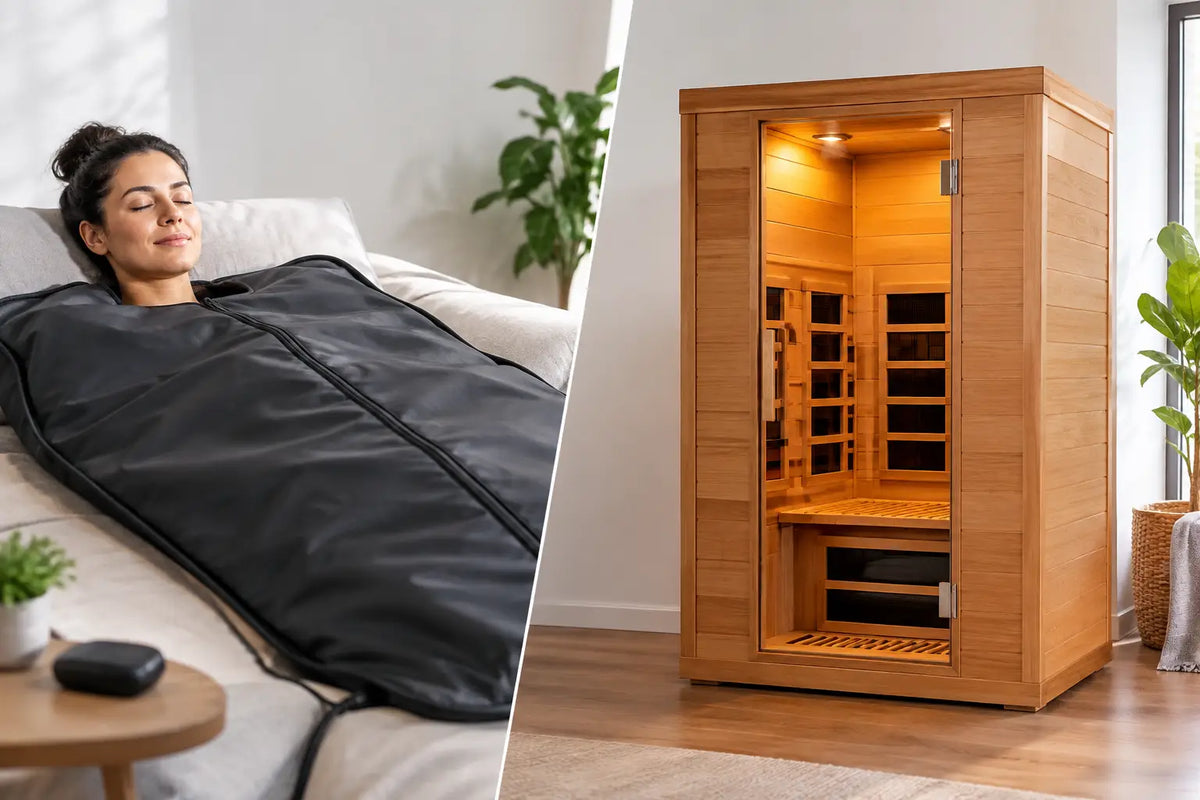
A sauna blanket is a portable, body-wrapping device that uses infrared heating elements to warm the body while you lie down. Depending on the model, you may use it on a bed, a padded mat, or a dedicated wellness lounger. It is designed for convenience: unfold it, set the temperature and timer, settle in, then wipe it down and store it away.
A cabin sauna is an enclosed space, usually built from wood, that heats the air and surfaces around you. Traditional cabins create heat through an electric or wood-burning stove and sauna stones. Infrared cabins use panels to deliver radiant heat directly to the body at lower ambient air temperatures. Both establish a more immersive, room-scale environment than a blanket can provide.
That distinction shapes everything from the feeling of the heat to the space required, the installation process, and the role the equipment plays in your home.
Choose a Sauna Blanket for Flexibility and Efficiency
For the executive with an unpredictable schedule, the serious athlete in a city residence, or the homeowner who wants recovery without sacrificing a guest room, a sauna blanket can be an exceptionally practical entry point. It asks very little of your floor plan. There is no permanent construction, no dedicated ventilation strategy, and typically no special electrical work beyond a suitable standard outlet.
The appeal is direct: you can finish a training session, shower, and begin a heat session within minutes. A blanket can also be easier to integrate into a layered recovery practice alongside compression boots, PEMF, or a massage chair. It is a focused ritual, not a room renovation.
Infrared blankets tend to feel more contained than an infrared cabin because the heated material wraps around the body. Some users appreciate that cocooning sensation, particularly for quiet evening sessions. Others find the close contact restrictive or warmer than they prefer around the torso and legs. This is a meaningful comfort consideration, not a minor detail. If your best recovery time is the hour when you want to read, breathe, or listen to a guided meditation without feeling confined, test your preferences honestly.
A blanket also requires more hands-on care after each use. Using a towel barrier, following the manufacturer's cleaning guidance, and allowing the unit to dry fully will help preserve the interior and keep the experience refined. It is an easy routine, but it is still a routine.
Where the blanket has limits
Portability comes with trade-offs. A blanket does not offer the upright seating, open-air feeling, generous legroom, or shared experience of a cabin. It is generally a solo modality. It also will not create the same visual centerpiece in a wellness suite, primary bath retreat, or hospitality setting.
For many buyers, the temperature experience is another dividing line. A blanket may deliver satisfying infrared warmth, but it does not replicate the enveloping atmosphere of stepping into a traditional high-heat sauna cabin. If the scent of wood, the ritual of pouring water over stones where appropriate, and the sensory contrast of moving from heat to a cold plunge matter to you, a blanket is best viewed as a complementary option rather than a substitute.
Choose a Cabin for a Complete Wellness Environment
A cabin sauna is an investment in permanence. It gives recovery a physical address in your home, which can be remarkably powerful for consistency. When a beautiful sauna is waiting off the gym, beside the pool, or within a dedicated wellness suite, the transition from demanding day to intentional restoration becomes easier to protect.
Cabins also offer greater range. A one-person infrared model can serve an individual daily practice in a relatively compact footprint. A larger traditional cabin can accommodate a partner, family members, or guests, turning a private health ritual into a refined social amenity. In luxury residences and boutique hospitality projects, this capacity matters as much as the heat itself.
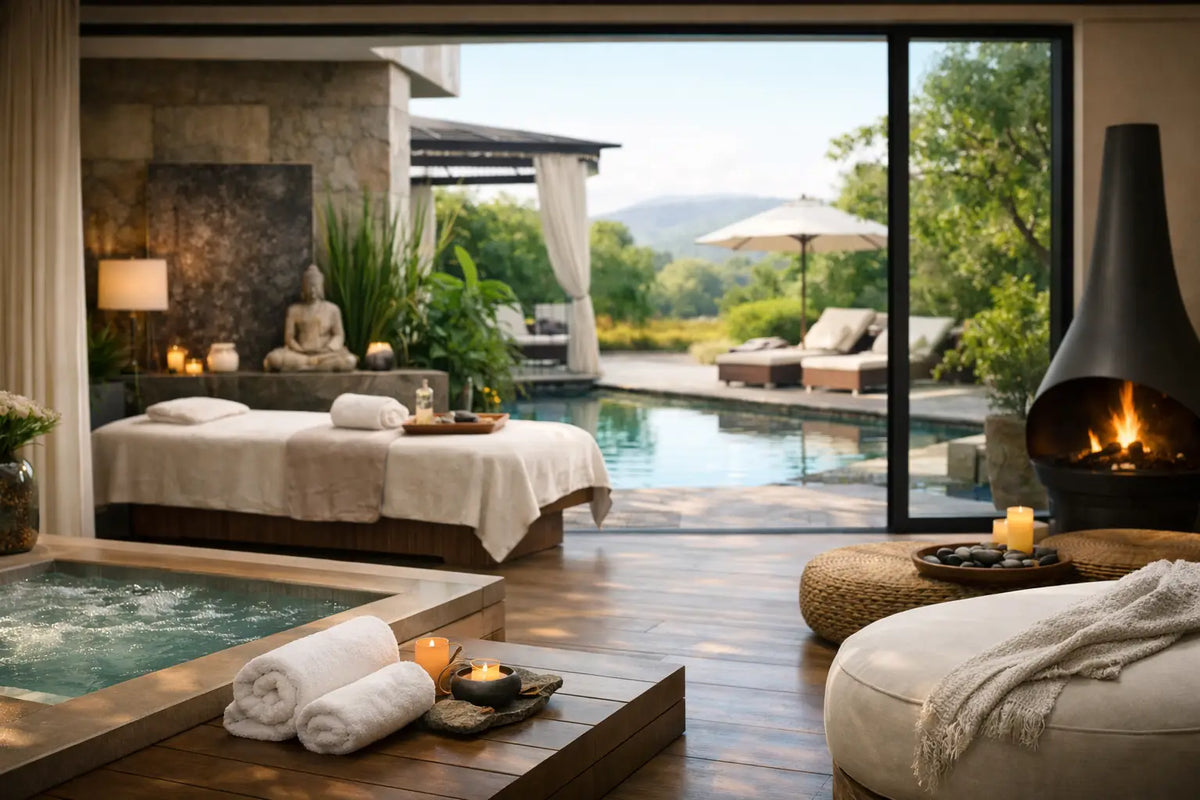
The sensory experience is more expansive. You can sit upright, stretch, change position, and breathe in a room designed to slow the pace. High-quality woodwork, considered lighting, glass placement, and exterior finishes allow the sauna to belong to the architecture rather than feel like another appliance. Strength and serenity exist in harmony when the space has been designed to support both.
Infrared cabin or traditional cabin?
This decision sits within the larger cabin choice. An infrared cabin generally operates at lower air temperatures and provides direct radiant warmth, making it appealing for people who prefer a gentler-feeling session and straightforward daily use. Traditional saunas reach higher ambient temperatures and offer the classic, deeply atmospheric heat experience many sauna enthusiasts expect.
Neither is automatically superior. Someone who wants a meditative, high-heat ritual followed by a cold plunge may favor traditional heat. Someone seeking a convenient, lower-temperature recovery session after strength training may lean infrared. The best choice is the one that matches your heat tolerance, available space, electrical capacity, and preferred ritual.
The Practical Factors That Should Decide the Purchase
Start with use frequency, not product specifications. A sauna blanket is compelling when you want heat therapy several times a week but do not want a permanent installation. A cabin earns its place when you can envision it becoming part of the home's daily rhythm for years, not an occasional novelty.
Then consider the room itself. A blanket needs a clean, comfortable area where it can be used safely and stored with care. A cabin requires accurate measurements, clearance planning, a stable floor, appropriate electrical service, and attention to the manufacturer's ventilation and assembly requirements. Indoor placement, outdoor placement, access through doorways, and delivery logistics should all be addressed before selecting a model.
Budget should be assessed beyond the purchase price. A premium blanket generally represents a lower initial investment and minimal project cost. A cabin may involve electrical work, site preparation, freight delivery, assembly, and, for a custom installation, design coordination. In return, it can elevate both the daily experience and the perceived value of a wellness-focused home environment.
Finally, consider whether you want equipment or an environment. The blanket is equipment: purposeful, discreet, and easy to bring into a routine. The cabin is an environment: a place that can anchor a broader recovery suite with cold therapy, red light, hydration, and a quiet place to reset.
A Note on Comfort, Safety, and Expectations
Heat therapy should feel restorative, never punishing. Follow the specific operating guidance for your equipment, hydrate thoughtfully, and leave the session if you feel dizzy, nauseated, or unwell. People who are pregnant, have cardiovascular concerns, take medications that affect heat tolerance, or have other relevant health conditions should speak with a qualified clinician before beginning a sauna routine.
It is also wise to set realistic expectations. A sauna blanket or cabin can create a welcome recovery ritual and may support relaxation, but neither replaces sleep, nutrition, training programming, or medical care. The value is often found in the ritual itself: a protected period without meetings, notifications, or demands on your attention.
Which One Belongs in Your Sanctuary?
Choose a sauna blanket when privacy, portability, quick setup, and a modest footprint are the priorities. It is particularly well suited to apartments, secondary residences, and buyers who want to introduce infrared heat without committing to a construction project.
Choose a cabin when you value atmosphere, spacious comfort, design integration, and the long-term presence of a dedicated wellness destination. It is the stronger choice for homeowners building a complete recovery room, as well as designers and hospitality teams creating an amenity that guests will remember.
For clients planning a larger recovery environment, Luxe Vida Wellness can help translate a personal routine into a cohesive specification, with equipment selection, delivery coordination, and installation support considered from the beginning. The right heat experience should not merely fit the room. It should make recovery feel like the most natural part of your day.
Ready to bring a sauna home? Browse our infrared saunas or traditional saunas, or shop all saunas to find the right fit for your space. Pair it with a cold plunge to complete the ritual.