Sauna Versus Steam: Which Heat Ritual Fits?
A recovery room can look extraordinary and still miss the mark if the heat experience does not suit the person using it. The question of sauna versus steam is not simply dry heat against humidity. It is a choice between two distinctly different rituals, each with its own effect on comfort, design, maintenance, and the way you want to feel when you step back into your day.
For a high-performance home, private training facility, or hospitality wellness suite, the better option is the one that supports consistent use. The most impressive amenity is the one that becomes part of the routine.
Sauna Versus Steam: The Core Difference
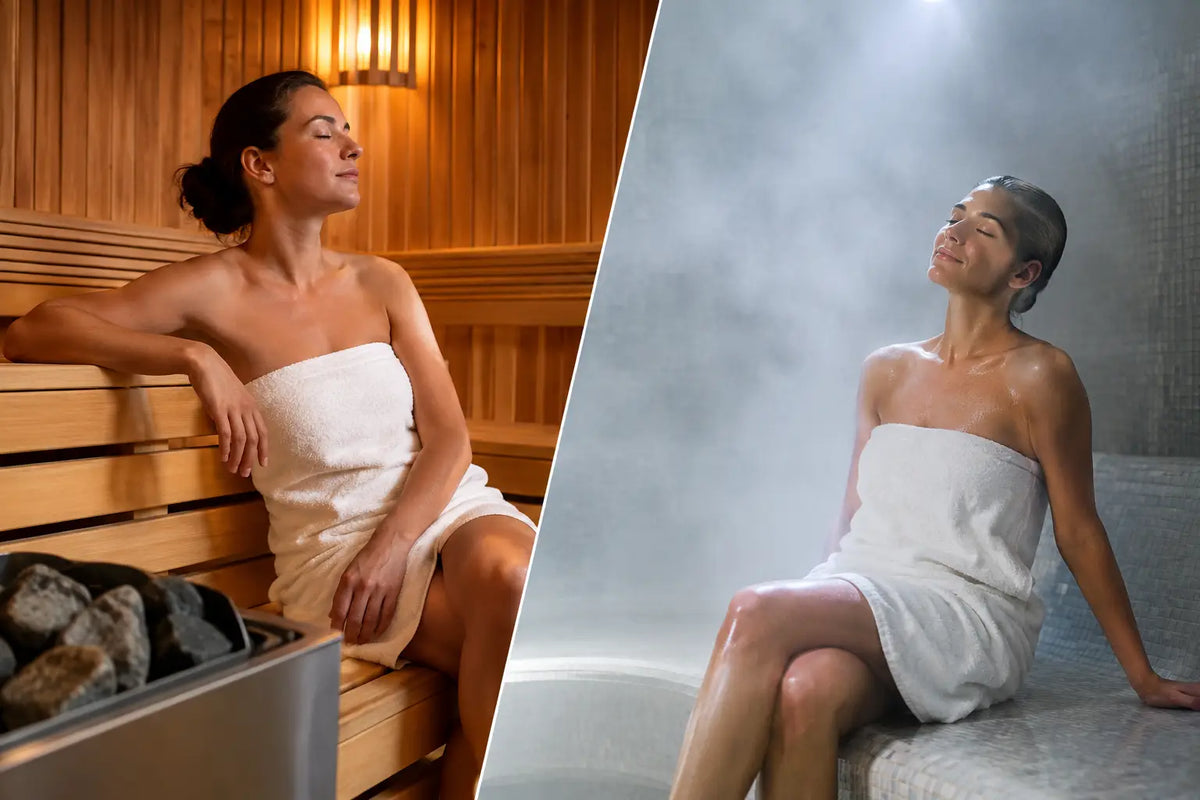
A traditional sauna warms the air inside an insulated cabin, usually with an electric heater and sauna stones. Temperatures commonly reach 150 to 195°F, while humidity remains relatively low unless water is poured over hot stones. The sensation is intense, clean, and enveloping. You perspire quickly, but the air remains breathable for people who prefer a dry environment.
A steam room operates at a lower temperature, often around 110 to 120°F, but at nearly 100 percent humidity. A steam generator fills a fully sealed room with moist heat. The atmosphere feels dense and immediate, wrapping the skin in warm vapor rather than surrounding the body with high-temperature air.
That difference changes the experience. A sauna tends to feel expansive and invigorating, particularly after a demanding training session or before an evening wind-down. Steam feels softer at first but can become more intense for anyone who dislikes humid air or feels confined by it. Neither format is inherently superior. Personal comfort is the deciding factor that makes a heat practice sustainable.
What Each Experience Does Best
Both sauna bathing and steam bathing can encourage relaxation, temporarily increase circulation near the skin, and create a welcome transition away from screens, meetings, travel, and training. The ritual itself has value: it creates protected time to downshift, breathe deliberately, and let the nervous system settle.
A traditional sauna is often favored by athletes and performance-minded homeowners because the dry heat can feel more tolerable at higher temperatures. It pairs naturally with a cold plunge, contrast therapy pairing, or post-workout recovery sequence. The wood interior, heater glow, and controlled silence also create a strong sensory distinction from the rest of the home. It is restorative, but never passive in character.
Steam rooms appeal to those seeking a spa-forward environment. Humid heat can feel soothing for dry skin and may offer temporary comfort when nasal passages feel irritated by dry air. A steam shower can be particularly compelling in a primary bath renovation because it folds a spa ritual into an existing daily space. For boutique hospitality, steam also carries an unmistakable sense of world-class care.
The health claims around heat deserve perspective. Heat exposure may support relaxation and subjective muscle comfort, but it is not a replacement for medical treatment, sleep, hydration, nutrition, or intelligent training. Clients with cardiovascular concerns, uncontrolled blood pressure, pregnancy, or medications that affect heat tolerance should speak with a qualified clinician before beginning a heat routine.
Comfort Is More Important Than Temperature
Many buyers assume they should choose the hotter option for a more effective session. In practice, the ideal heat environment is one you can use comfortably and consistently without pushing past your limits.
If you enjoy a crisp, dry atmosphere and want the option to control the experience with water on sauna stones, a traditional sauna offers a refined degree of ritual. You can sit in quiet stillness, stretch lightly, or follow a measured contrast protocol. The heat is direct, but the air does not cling to the skin.
If you associate relaxation with warm showers, spa facials, and a cocoon-like atmosphere, steam may be more intuitive. The trade-off is that humidity can make breathing feel heavier, especially for people with certain respiratory sensitivities. A steam room also demands a more intentional exit strategy: a cool rinse, dry towel, and a few quiet minutes afterward can make the transition feel much better.
There is also a visual and emotional consideration. Sauna cabins bring warmth, natural materials, and architectural presence to a room. Steam rooms are often more discreet, expressed through stone, tile, glass, lighting, and thoughtful bench design. One feels like a destination; the other can feel like a private escape built into the architecture.
Space, Construction, and Maintenance Considerations
The buying decision becomes clearer once the project moves from inspiration to specifications. A sauna is generally the simpler installation because it is a self-contained, insulated structure. It needs appropriate electrical service, ventilation considerations, and a level location, but it does not require the fully waterproof envelope of a steam room.
Steam requires more construction discipline. The room must be vapor-tight, properly sloped for drainage, and built with moisture-resistant materials behind every finished surface. Ceiling height and shape matter because condensation needs a controlled path. The steam generator requires water supply, drainage, electrical capacity, access for service, and sizing that matches the room volume and finishes.
This is why steam is often best addressed early in a renovation or new build. Retrofitting can be done, but it is rarely the place to compromise on waterproofing or ventilation. A beautifully tiled steam room with poor moisture management quickly loses its appeal.
Maintenance also differs. A sauna benefits from regular wiping, clean towels, periodic bench care, and proper airing after use. A steam room needs more active moisture management, including wiping down surfaces, cleaning the generator as recommended, and watching grout, seals, drains, and ventilation. Neither is difficult when designed correctly, but steam asks more of the room itself.
Traditional Sauna, Infrared Sauna, or Steam?
The sauna versus steam conversation often includes a third option: infrared. While traditional saunas heat the room and infrared models use radiant panels to warm the body more directly, steam adds humidity to the equation entirely.
Infrared can be a smart fit for buyers who want a lower-temperature, highly accessible session and a more compact installation footprint. It often suits daily wellness rituals, especially for people who find traditional high heat too aggressive. Traditional sauna is the stronger choice for those who want the classic elevated-heat experience, the option for sauna stones, and a more social cabin environment.
Steam is not a substitute for either type of sauna. It is a separate design language and sensory preference. For a complete sanctuary, some larger residential and commercial projects include more than one modality: a sauna for focused heat bathing, a steam room for spa-oriented relaxation, and a cold experience for contrast. Strength and serenity can exist in harmony when each zone has a clear purpose.
Choosing for Your Lifestyle and Property
A sauna is likely the right fit if your priority is athletic recovery, classic heat bathing, natural materials, or an efficient stand-alone installation. It is also a strong choice for a garage gym, dedicated recovery suite, pool house, or luxury hospitality amenity where a memorable visual feature matters.
Steam may be the stronger fit if you are already renovating a bathroom, want an immersive spa experience, or prefer humid warmth over high dry heat. It can add exceptional value to a primary suite or destination spa, provided the construction team treats waterproofing and ventilation as essential performance features rather than finishing details.
For shared spaces, consider who will use it most. A serious athlete may choose traditional sauna without hesitation, while a partner may prefer the gentler warmth of infrared or the enveloping feel of steam. In a commercial setting, user turnover, cleaning protocols, local code requirements, and service access should guide the final specification as much as the guest experience.
Do not make the decision from a product photograph alone. Sit in both environments when possible. Notice your breathing, how quickly you relax, and whether you want to stay for another minute or leave early. That response is more useful than any generalized promise.
The finest wellness spaces are not built around a trend. They are built around the moments you want more of: the clear mind after a long flight, the quiet reset after training, the unhurried evening when recovery becomes a standard rather than an afterthought.
Whether you're drawn to the deep heat of a traditional sauna, the everyday ease of infrared, or the enveloping warmth of a steam room, the right choice comes down to how you want to feel and how you plan to use the space. Explore our full sauna collection to compare styles, or request a quote and we'll help you design the recovery experience that fits your goals.