Wellness Amenities and Property Value: The ROI Case
Wellness Amenities and Property Value: The ROI Case for Developers
A decade ago, a home sauna or a cold plunge tucked into a primary suite read as personal indulgence — a lifestyle choice with no bearing on the balance sheet. That framing no longer holds. Wellness real estate is now one of the fastest-growing segments in the global wellness economy, and the data increasingly shows that recovery-focused amenities function less like a luxury add-on and more like an investment with a measurable return.
For developers, architects, and homeowners weighing whether a recovery suite, sauna, or cold plunge belongs in a project's budget, the question is shifting from "will guests enjoy this" to "what does this actually return."
What the Data Shows
According to the Global Wellness Institute, the wellness real estate market reached $584 billion in 2024, up from $100 billion in 2013, and is projected to reach $1.1 trillion by 2029 — a 15.2% annual growth rate that outpaces nearly every other segment of the broader wellness economy. That analysis, drawn from more than 300 academic and peer-reviewed studies, found that wellness-focused residential properties command a 10 to 25 percent price premium at middle and upper market segments, while commercial buildings see a 4.4 to 7.7 percent rental premium per square foot.
Sotheby's International Realty's 2026 Mid-Year Luxury Outlook independently arrives at a similar figure: buyers are paying a 10 to 25 percent premium for luxury homes with wellness features, and interest in wellness real estate has more than doubled over the past five years. Their report specifically names cold plunge rooms and red-light therapy rooms among the amenities driving that demand, alongside more established features like home gyms and saunas.
Taken together, this is no longer a soft trend measured in guest satisfaction scores. It is a premium buyers and renters are demonstrably willing to pay, tracked across hundreds of studies and two independent industry sources.
What This Means for Residential Value
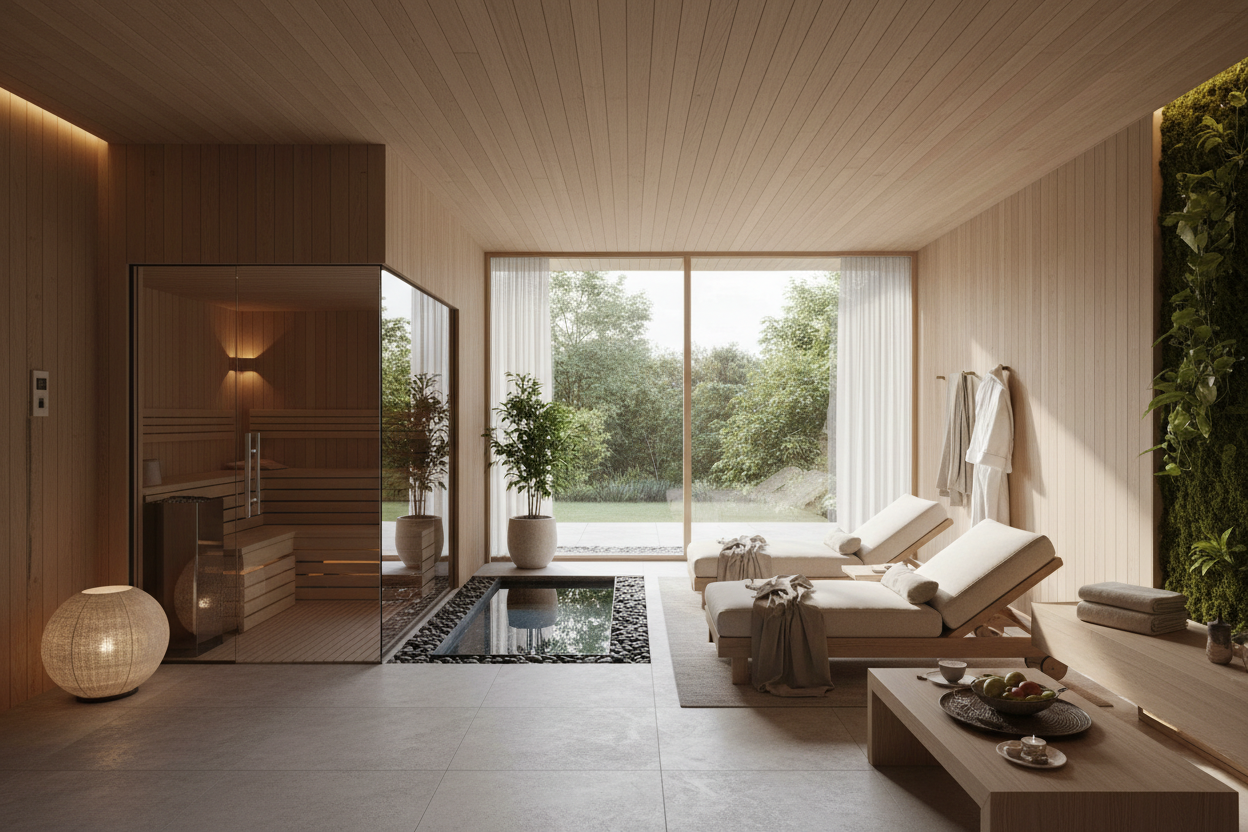
For a single-family home or a residential development, the 10 to 25 percent premium is not evenly distributed across every wellness feature. It tends to concentrate around amenities that are private, daily-use, and visually integrated into the architecture rather than treated as an afterthought. A recovery suite built into a primary wing, a properly ventilated infrared sauna with real electrical planning behind it, or a cold plunge positioned off a home gym reads to a prospective buyer as considered design, not a retrofit. That distinction matters more than the equipment itself. A sauna installed with poor ventilation or a cold plunge with no clear sanitation plan can undercut the very premium it was meant to create.
For developers building spec homes or luxury residential product, this suggests treating wellness infrastructure the way kitchens and primary baths have long been treated: a line item that belongs in the initial architectural plan, not a feature bolted on after finishes are selected.
The Commercial and Hospitality Case
The 4.4 to 7.7 percent commercial rental premium applies across office, residential-rental, and hospitality product, and it compounds differently than the residential figure. A single high-end recovery suite in a boutique hotel does not just support a slightly higher room rate — it can influence direct booking behavior, length of stay, and the property's ability to compete on more than location and price. We've written separately about how hotel wellness amenities translate into guest loyalty; the real estate data adds a second, harder-edged argument for the same investment, grounded in per-square-foot economics rather than guest sentiment alone.
For office and mixed-use developers, the same logic extends to tenant retention. A building offering genuine recovery infrastructure — not a token treadmill in a windowless room — becomes a differentiator in a leasing market where amenities increasingly decide between otherwise comparable properties.
Which Amenities Actually Move the Needle?
Not every wellness feature carries the same weight with buyers and renters. Based on what both reports identify as in-demand, four categories consistently appear at the top: saunas and infrared saunas, which remain the most recognized and expected wellness amenity; cold plunges, which have moved from niche to mainstream demand in the last five years; red light therapy, which Sotheby's specifically flags as a rising driver of buyer interest; and full recovery suites that combine several modalities into one considered space rather than scattering equipment across a property.
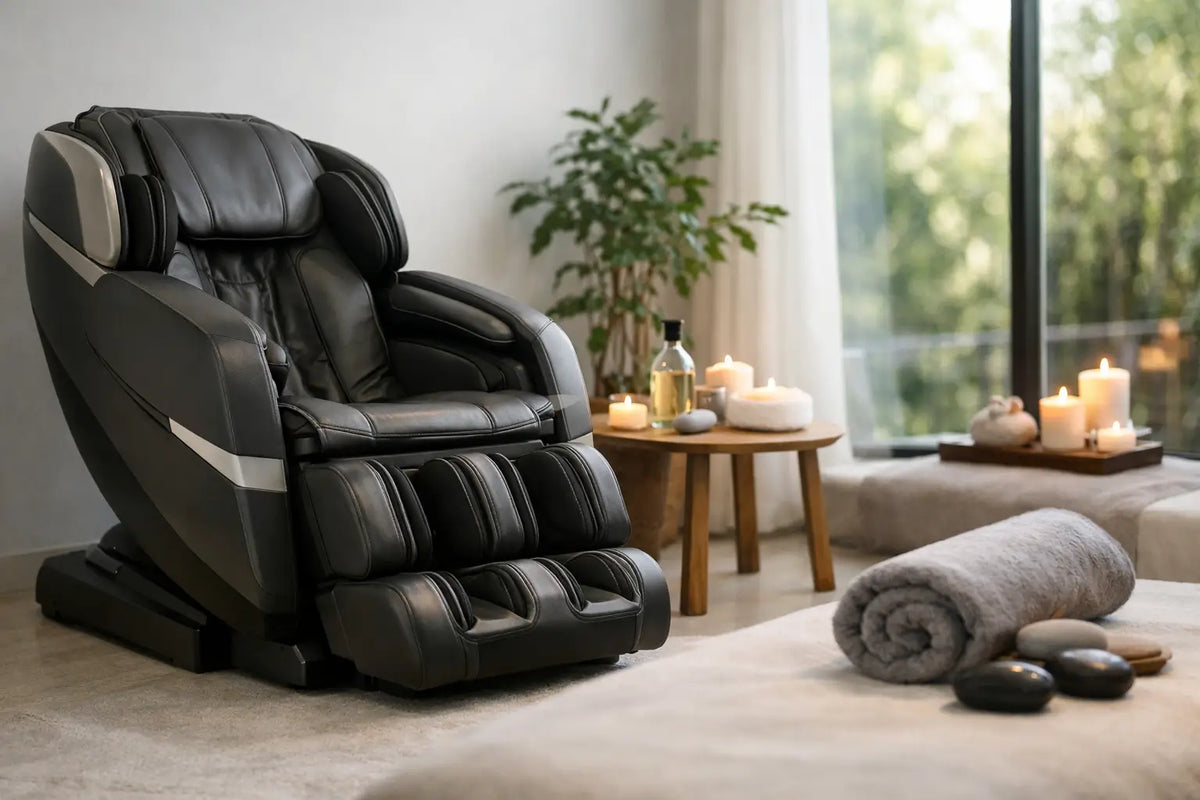
Compression therapy and massage chairs tend to read as supporting amenities rather than primary value drivers — valuable for guest and resident experience, but less likely on their own to move a listing price or a lease rate the way a well-designed heat-and-cold suite does.
Specification Matters as Much as the Amenity Itself
A premium is a market response to a considered installation, not to the presence of equipment alone. The studies behind these figures are measuring finished, well-integrated wellness environments — not a sauna box shipped to a garage. For a developer or homeowner evaluating this as an investment, that means the same care that goes into material selection and finishes should extend to electrical capacity, ventilation, water treatment, floor loading, and the visual language of the space itself. Equipment chosen and specified well protects the premium the data promises. Equipment chosen poorly, or installed without the surrounding infrastructure to support it, can create maintenance issues that erode the very value it was meant to add.
Financing the Investment
Because wellness infrastructure now competes with other capital priorities in a project budget, financing structure deserves the same scrutiny as the equipment selection. We've covered this in more detail in our guide to wellness equipment financing, but the short version for developers and homeowners evaluating ROI specifically: financing can allow a project to capture the premium a wellness amenity creates without requiring the full installed cost to leave the budget at once, which matters most during construction phases when capital is already stretched across multiple line items.
A Considered Investment, Not a Trend
The data suggests wellness real estate has moved past the point of being a passing amenity trend and into something closer to a durable market expectation, similar to how open-concept kitchens or primary suite spas once shifted from novelty to standard. For developers and homeowners deciding whether a recovery suite belongs in this year's budget, the more useful question may no longer be whether to invest, but how to specify that investment well enough to protect the premium the market is already paying for it.
Sources: Global Wellness Institute, "Build Well to Live Well" (2025); Sotheby's International Realty, 2026 Mid-Year Luxury Outlook.