Body Contouring for a More Defined Home Ritual
A demanding training schedule can build strength, but it does not always create the visual definition or sense of physical confidence you expect. Body contouring offers a considered way to support those goals at home or within a premium wellness setting, pairing advanced technology with the consistency that occasional appointments rarely provide.
For high-performing individuals, appearance is not a separate pursuit from recovery. It is part of feeling composed in your body, moving through the day with confidence, and creating rituals that reinforce the standard you set everywhere else. The right system can make that ritual private, efficient, and designed around your lifestyle.
What Body Contouring Can Actually Do
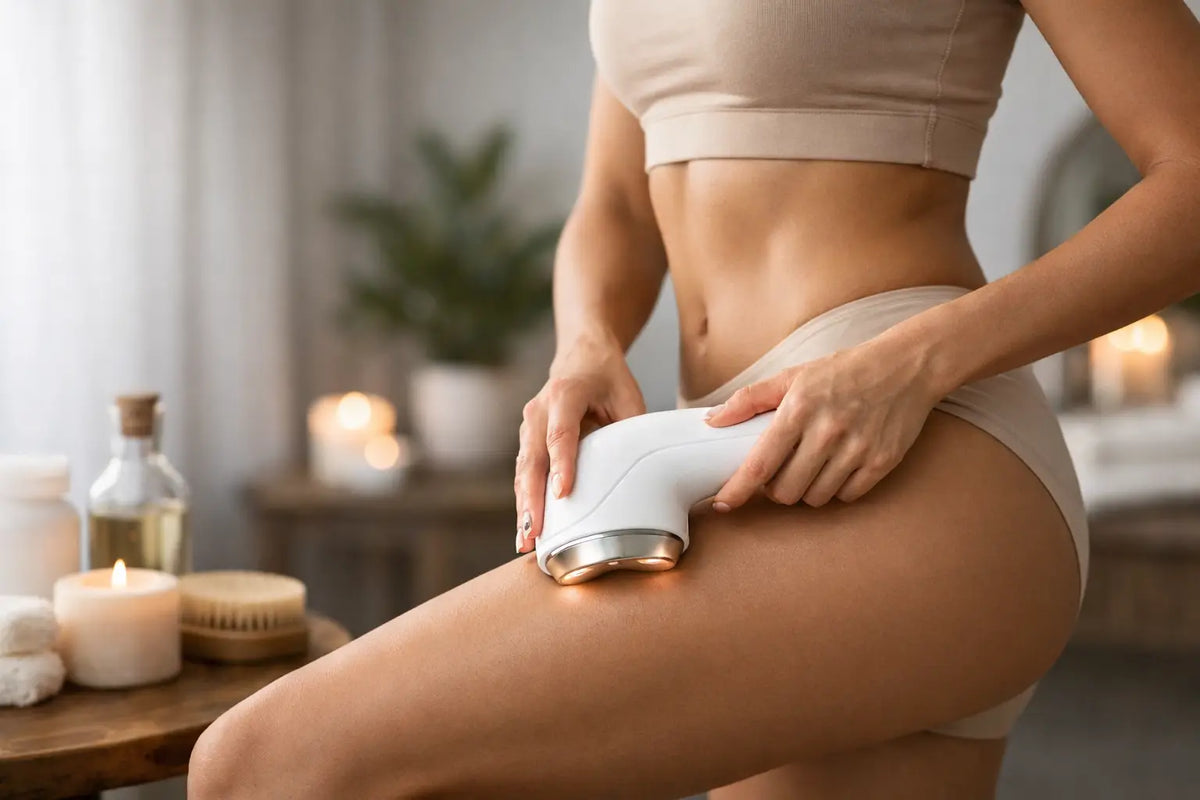
Body contouring is a broad category for technologies intended to support a firmer, smoother, or more defined appearance. Depending on the equipment, treatment may use radio-frequency heat, electromagnetic muscle stimulation, vacuum therapy, ultrasound, LED light, or a combination of modalities. Some systems are designed to address the look of stubborn areas, while others focus on muscle engagement, circulation support, or skin appearance.
The distinction matters because these technologies do not all produce the same experience or pursue the same outcome. A muscle-stimulation platform may appeal to someone who wants to complement disciplined strength training. Radiofrequency-based equipment may be selected for its warming treatment experience and its role in a skin-focused routine. Vacuum and massage-based systems often fit naturally into recovery environments where circulation, relaxation, and a refreshed physical feeling are part of the objective.
These are not replacements for movement, nutrition, sleep, or clinical care. They are premium support tools. The strongest results typically come from a thoughtful protocol: consistent sessions, realistic expectations, a stable fitness routine, hydration, and equipment selected for the specific person or property using it.
For homeowners, that means stepping away from one-size-fits-all promises. For hospitality, fitness, and spa operators, it means choosing a body contouring experience that feels credible, refined, and aligned with the rest of the guest journey.
Noninvasive Body Contouring vs. Clinical Procedures
Noninvasive equipment has a clear advantage for clients who value convenience, discretion, and minimal interruption to their calendar. Many body contouring modalities are designed to be used without surgery or extended downtime, making them suited to an at-home wellness suite, private training facility, or luxury spa environment.
That does not mean every technology is appropriate for every goal. Surgical procedures and medical aesthetic treatments can be indicated for more dramatic changes, and they require consultation with qualified medical professionals. Wellness equipment is best approached as part of a maintenance-oriented, appearance-conscious lifestyle rather than a substitute for medical treatment.
A responsible purchase starts with the question, “What level of change am I looking for?” If the answer is a polished complement to training, recovery, and body-confidence goals, noninvasive technology may be an exceptional fit. If the answer involves a significant medical or anatomical concern, clinical guidance should come first.
Certain people may need to avoid specific modalities or seek approval from a physician before use. That can include people who are pregnant, have implanted electronic devices, have active medical conditions, recent surgery, or are managing skin sensitivity. A premium wellness space should feel restorative because it is designed with care, not because caution was overlooked.
Choosing a System Around Your Actual Goal
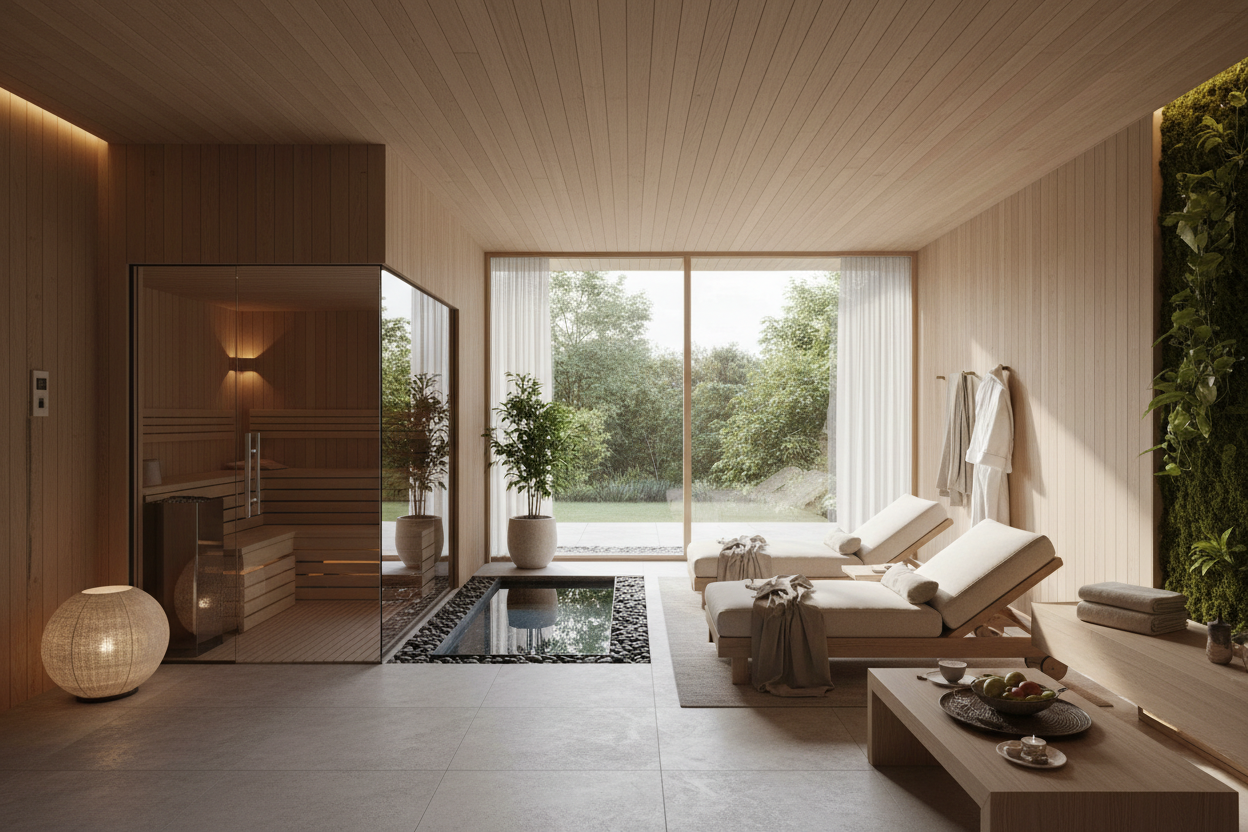
The most elegant wellness rooms are never built around a trend. They are built around how the owner wants to feel and how the space will be used. Body contouring equipment should follow the same standard. For a closer, side-by-side comparison of specific systems — EMS, vacuum roller, and cold-and-heat technology — see our guide on best body contouring systems.
For visible definition and body confidence
If your priority is supporting a more sculpted appearance, focus first on the technology’s intended application, treatment areas, and protocol requirements. Ask whether the system is designed for abdomen, arms, thighs, glutes, or multiple zones. Consider how often it is meant to be used and whether its form factor will make consistency realistic.
A device that requires a lengthy setup or occupies an awkward corner of the home gym may see little use, no matter how impressive its specifications appear. A thoughtfully integrated system, by contrast, becomes part of the rhythm: training, treatment, hydration, recovery.
For performance-oriented routines
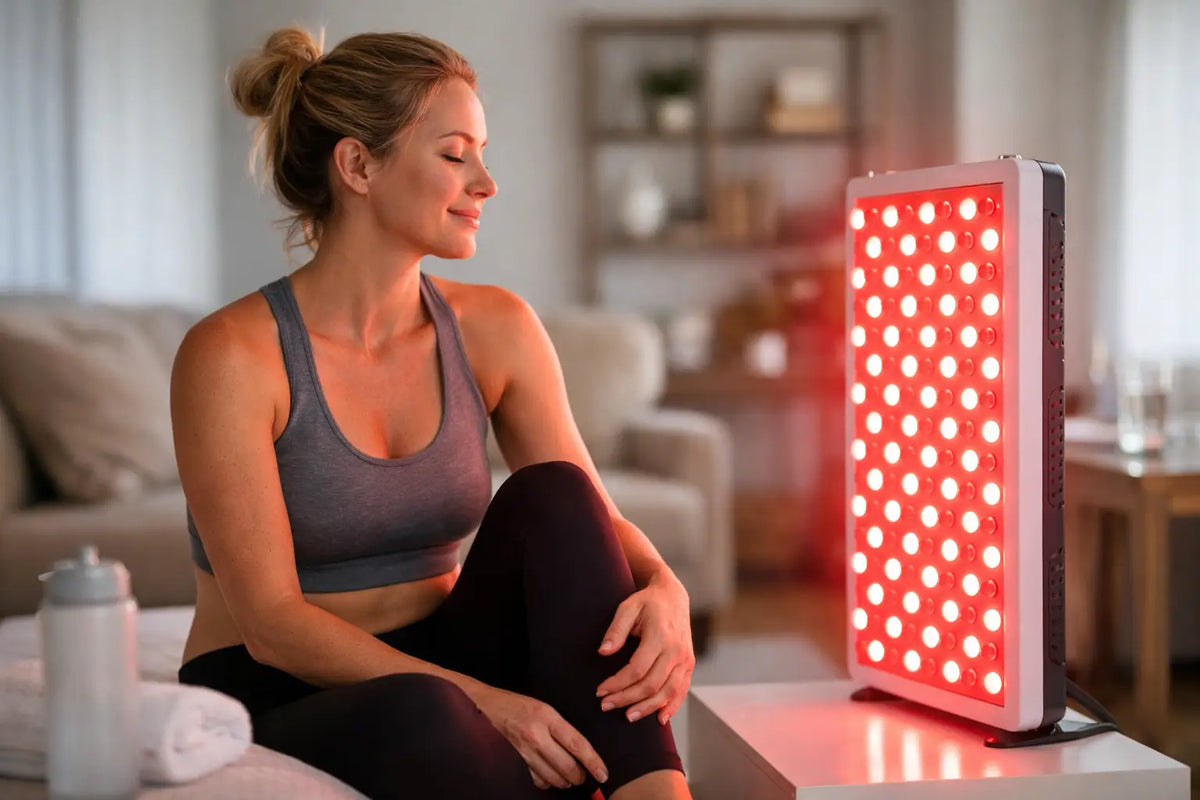
Serious athletes and committed fitness enthusiasts often want more than an appearance-focused device. They may prefer a system that supports a broader performance ritual, especially when paired with compression, red light therapy, infrared heat, or cold exposure.
The key is avoiding redundant equipment. A recovery suite should have a clear sequence and purpose. For example, a client may use body contouring technology on designated days while reserving other recovery modalities for post-training decompression, circulation support, or relaxation. Strength and serenity exist in harmony when the room is curated rather than crowded.
For spas, hotels, and high-end facilities
Commercial buyers should evaluate more than treatment technology. Guest comfort, staff workflow, sanitation considerations, visual design, power requirements, service access, and installation logistics all affect the experience.
A premium contouring room should never feel clinical by accident or improvised behind the scenes. It should feel intentional from the first moment: considered lighting, quiet finishes, intuitive controls, ample clearance around the equipment, and a treatment flow that protects privacy. World-class hospitality is often felt in these details before a session even begins.
The Technology Matters, but the Protocol Matters More
One session rarely defines a result. Body contouring is most compelling when it becomes a planned cadence, whether that means a series of sessions or a recurring part of a home wellness schedule. The precise schedule depends on the modality, manufacturer guidance, and individual tolerance.
Consistency is also why ownership can be so appealing. Rather than coordinating appointments around travel, work, family, and training, the technology is available on your terms. A 20- or 30-minute session can become a deliberate transition between a demanding day and an evening of recovery.
Track your experience with the same discipline you bring to performance. Note session frequency, treatment settings, comfort level, training volume, hydration, and changes in how clothing fits or how you feel. Standardized photos, taken in consistent lighting and at consistent intervals, may offer a more useful visual reference than checking the mirror daily.
Avoid the temptation to overuse a device in pursuit of faster change. More intensity is not automatically better. Follow operating guidance, respect recovery time where recommended, and choose settings that are appropriate for your comfort and goals. Premium equipment earns its place through precise, repeatable use.
Designing Body Contouring Into a Wellness Sanctuary
The best placement is usually close to the habits that make it easy to use. In a private residence, that may be adjacent to a home gym, dressing area, or recovery room. In a commercial setting, it may belong in a dedicated treatment suite with acoustic privacy and a calm transition space.
Consider the room as carefully as the device. Electrical requirements, ventilation, flooring, access dimensions, storage for accessories, and cleaning procedures should be addressed before delivery. Larger systems may require freight planning, final-mile coordination, and professional placement. These practical considerations protect the investment and preserve the polished experience clients expect.
A cohesive suite might position body contouring alongside red light therapy, compression, massage, or infrared equipment, but not every room needs every modality. The right collection is the one that serves the client's routine without creating visual or operational excess. Luxury is not more equipment. It is having exactly what belongs.
For custom home projects and commercial environments, Luxe Vida Wellness can help translate a performance brief into a well-specified wellness space, with sourcing, delivery coordination, and installation planning considered from the start.
Questions Worth Asking Before You Buy
Before selecting a body contouring system, look beyond the treatment headline. Confirm the intended use, session duration, number of applicators or treatment zones, power needs, dimensions, warranty coverage, cleaning requirements, and available service support. For commercial use, ask about staff training, throughput, and whether the equipment supports the experience your guests are paying to receive.
It is also wise to ask what the system does not do. Clear limitations are a sign of a credible product and a responsible provider. No device can guarantee a particular cosmetic result, and individual responses vary with physiology, baseline fitness, lifestyle, and consistency.
The goal is not to chase an abstract ideal. It is to create a private standard of care that makes you feel stronger, more composed, and more at home in your body. Choose body contouring technology that you will use with intention, then give it the space and routine it deserves.