A Red Light Therapy Routine That Fits Real Life
The value of a red light therapy routine is not found in an occasional session squeezed between meetings. It is found in repetition: a deliberately protected window where recovery receives the same discipline as training, nutrition, and sleep. For high performers, that consistency can turn a premium panel or full-body bed into a private daily ritual - one that supports the way you want to look, feel, train, and recover.
Red and near-infrared light are often used to support skin appearance, circulation, muscle recovery, and a sense of restorative calm. Results vary by device, treatment area, energy output, consistency, and individual health factors. The goal is not to chase the longest possible session. It is to establish a measured protocol you can maintain in the sanctuary of your own home.
Start With the Outcome You Want
A well-designed routine begins with one primary priority. If your focus is skin quality, you may favor shorter, consistent facial or full-body sessions and use the device according to its recommended distance. If demanding training is the issue, time your sessions around the muscle groups that carry the most workload. For a broader longevity and recovery ritual, a full-body treatment may fit naturally into the beginning or end of the day.
This distinction matters because more is not automatically better. Light therapy is dose-dependent. A device's irradiance, wavelength range, distance from the body, and treatment time all influence the amount of energy delivered. Premium equipment should provide clear operating guidance. Use that guidance as the foundation rather than borrowing a protocol designed for a different panel, bed, or clinical setting.
Build Your Red Light Therapy Routine Around Your Day
The best time is the one you can protect. Morning sessions work well for people who prefer a composed, intentional start before the inbox and travel schedule take over. The light can become part of a high-performance preparation ritual: hydrate, complete a session, then move into mobility work, a walk, or strength training.
Evening sessions suit those who need a distinct boundary between performance mode and restoration. A short red light session after work or training can pair beautifully with a warm shower, compression boots, stretching, or quiet reading. If you find that bright light of any kind feels energizing late at night, move the treatment earlier. Your sleep routine should always take priority over a rigid schedule.
For post-training recovery, there is no single mandatory window. Some people prefer a session before exercise as part of their warm-up; others use it after lifting, endurance work, or court time. What matters is choosing a timing pattern that feels comfortable and repeating it often enough to judge its effect over several weeks.
A polished morning protocol
A morning routine can be as concise as 10 to 15 minutes. Begin with clean, dry skin and remove anything that may create an unnecessary barrier, such as heavy makeup or opaque body products. Position yourself at the manufacturer-recommended distance, treat the intended areas, and resist the urge to multitask. This is a moment for stillness, not another screen in your hand.
Follow with hydration and movement. For athletes and executives alike, this combination creates an elegant transition from rest to readiness without requiring an hour of extra time.
An evening recovery protocol
In the evening, use red light therapy as the first step of a layered recovery sequence. A full-body session can be followed by compression, gentle mobility, or a sauna session if that combination suits your goals and comfort. Keep heat, hydration, and total time in mind. Stacking every modality at maximum intensity is rarely necessary, especially after a long day or a demanding workout.
A more refined approach is to rotate emphasis. Use red light therapy and mobility on one evening, then sauna and compression on the next. This keeps recovery enjoyable, sustainable, and responsive to how your body actually feels.
Choose Frequency Before Increasing Duration
A sensible starting point is usually three to five sessions per week, using the device's recommended treatment time. Give the routine several weeks before making major changes. Consistency provides more useful feedback than adding extra minutes every few days.
If your skin becomes irritated, uncomfortable, or unusually sensitive, reduce the frequency or duration and reassess. If you feel well and the device protocol allows it, you may gradually build toward more frequent sessions. Full-body beds can make frequent use especially convenient, while a panel may be ideal for targeting the face, shoulders, back, knees, or legs with greater precision.
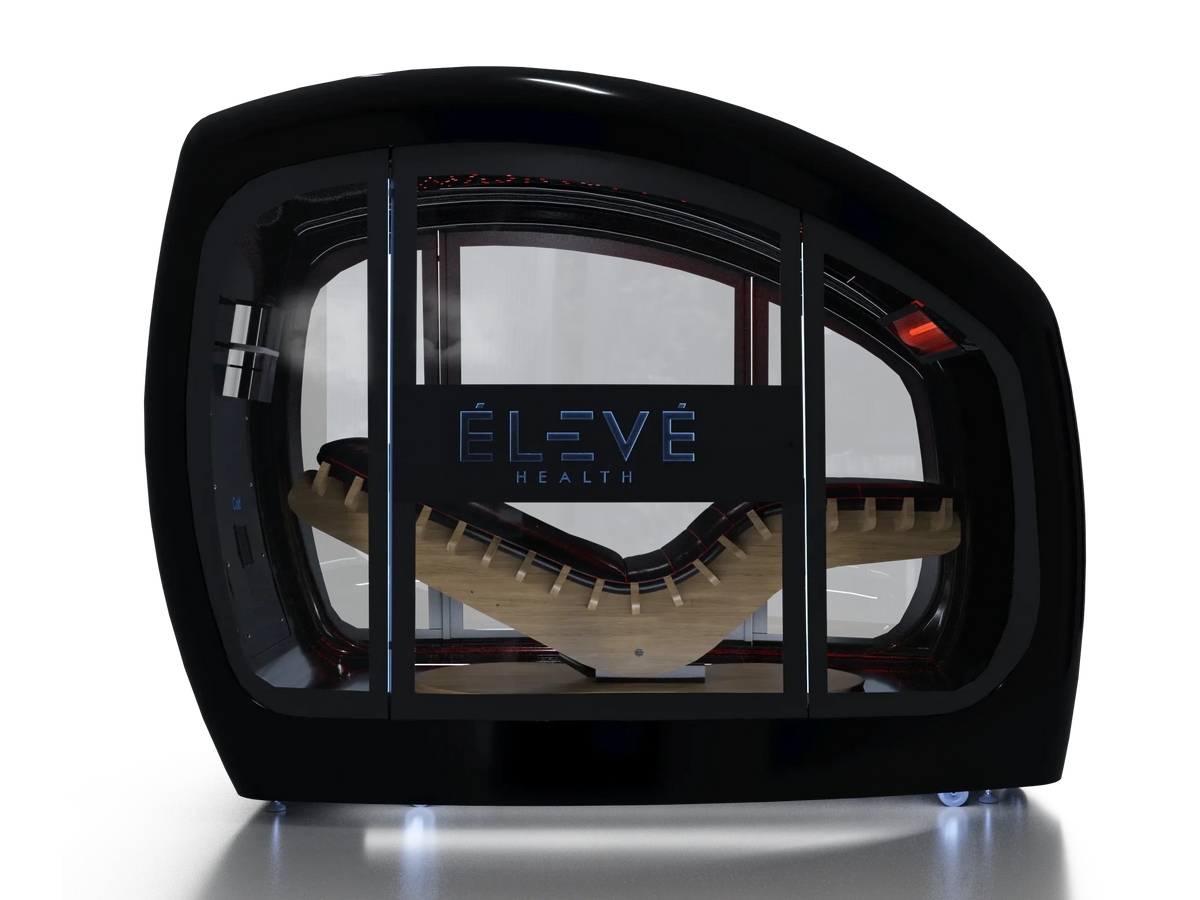
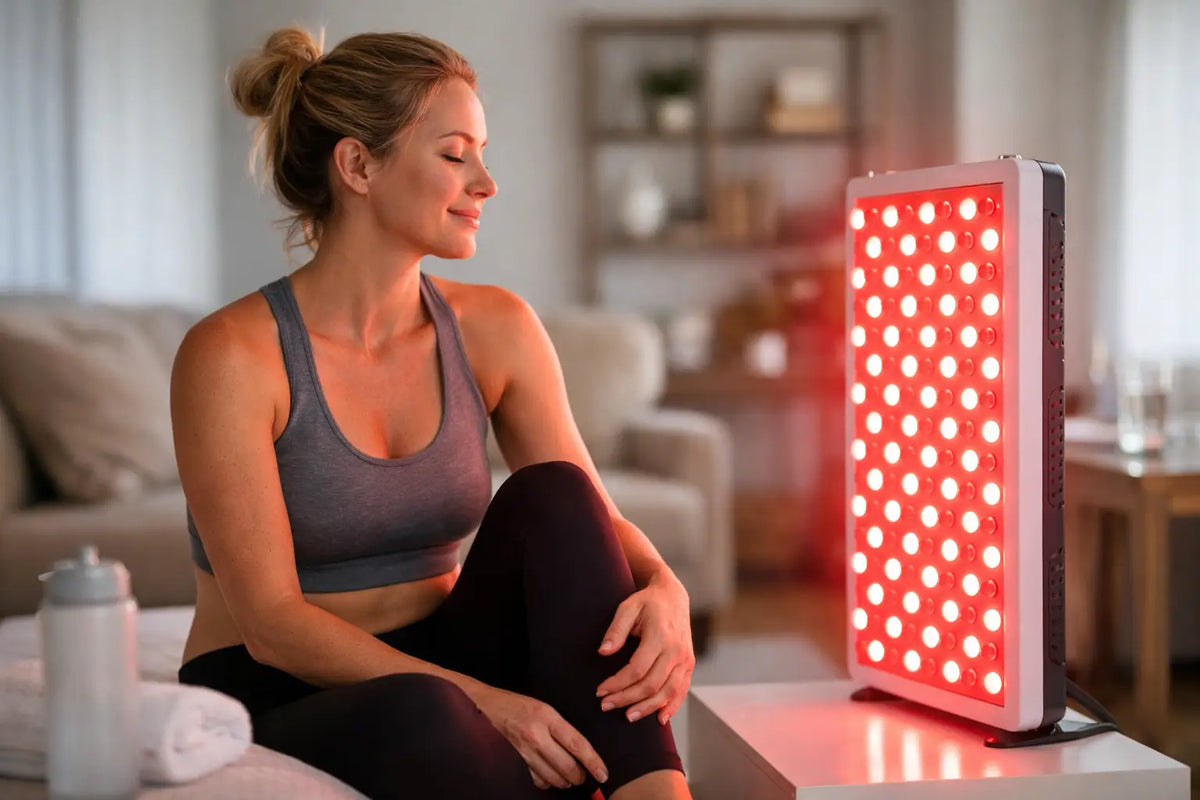
The right format depends on your space and priorities. A panel offers flexibility and a smaller footprint. A red light therapy bed creates a more immersive, hospitality-level experience for clients who value full-body coverage and a beautifully integrated recovery suite. Both can support an exceptional routine when the equipment is properly specified and used consistently.
Make Setup Part of the Ritual
A luxury wellness environment should make the healthy choice feel effortless. Place your device where sessions can happen without rearranging furniture, rushing through a cluttered room, or negotiating for privacy. A dedicated recovery room is ideal, but a thoughtfully appointed bedroom, home gym, dressing area, or spa-style bath suite can work beautifully.
Consider the practical details that protect adherence: a timer, a nearby towel, a water station, a non-slip mat, and a place to store eye protection if your device recommends it. For commercial settings, the details extend to traffic flow, electrical planning, finishes, ventilation, accessibility, cleaning protocols, and member privacy. The equipment should elevate the room rather than interrupt it.
This is where a curated approach has real value. Luxe Vida Wellness designs wellness environments around the client, the available space, and the level of service expected from a premium home, hospitality property, or performance facility. The objective is not simply to add equipment. It is to create a setting that makes restoration a natural part of the day.
Safety Is Part of a High-Standard Routine
Red light therapy is generally designed to be noninvasive, but thoughtful use still matters. Follow the instructions for your specific device, including treatment distance, session duration, and eye-protection guidance. Do not stare directly into high-intensity LEDs. If you are treating the face, use the manufacturer's recommended protective eyewear where appropriate.
Speak with a qualified healthcare professional before beginning if you are pregnant, have a light-sensitive condition, are undergoing treatment for a medical condition, or take medications or use topical products that can increase photosensitivity. This includes certain antibiotics, acne medications, and prescription skincare treatments. For a new or unexplained skin concern, pain, or injury, seek medical guidance rather than treating red light therapy as a substitute for diagnosis or care.
Avoid placing a device over irritated or damaged skin unless your clinician has advised otherwise. Keep the equipment clean, inspect cords and mounting hardware regularly, and preserve the performance of a premium system by following its maintenance requirements.
Track What Actually Changes
The people most satisfied with a routine tend to measure it simply. Take baseline photos if skin appearance is a goal, using the same lighting and angle each time. For training recovery, note soreness, perceived readiness, range of motion, or how you feel during the first 10 minutes of your next session. For stress management, track whether the ritual helps you step away from work and settle into the evening more intentionally.
Do not expect every benefit to appear on the same timetable. Skin goals often require patient, consistent use. Training recovery is influenced by sleep, workload, hydration, nutrition, and programming, so red light therapy belongs within the larger system rather than carrying the entire burden. A clear record helps you distinguish a meaningful improvement from a passing good week.
Let the Routine Evolve With Your Season
Your protocol should have enough structure to be reliable and enough flexibility to survive real life. During a heavy training block, you may choose more frequent full-body sessions. During travel, a smaller targeted routine may be all that is realistic. During a lower-intensity season, maintain a few sessions each week as part of skin care and stress recovery.
That flexibility is not a failure of discipline. It is the mark of a routine designed for longevity. Create a setting you look forward to entering, select a dosage you can sustain, and give the ritual enough time to become yours. The finest recovery practices are not dramatic. They are quietly repeated, until strength and serenity begin to exist in harmony.
For more, see what to know before buying a red light therapy device and the benefits of a full-body red light bed.
A red light routine works best when it fits the life you already have — not the other way around. If you're ready to bring one home, browse our full red light therapy collection to find the panel or bed that fits your space.