Wellness Leasing Versus Purchasing for Your Space
A private sauna after a demanding flight. A cold plunge steps from the training room. Red light therapy that fits into the morning routine rather than another appointment across town. When you are considering wellness leasing versus purchasing, the decision is not simply about monthly cost. It determines how much control you hold over your recovery environment, how your capital is deployed, and whether the space can evolve with your standard of living or business.
For a high-performance home, boutique hospitality concept, or premium fitness facility, the right path depends on the role wellness plays in the property. Is the equipment a temporary amenity, a proven revenue driver, or a permanent part of the experience you are building?
Wellness Leasing Versus Purchasing: The Real Difference
Leasing generally provides access to equipment through fixed periodic payments for a defined term. At the end of that term, the agreement may offer renewal, return, upgrade, or buyout options, depending on its structure. Purchasing means you own the equipment outright once it is paid for, whether through cash, financing, or another ownership-based arrangement.
The distinction becomes more meaningful with premium wellness equipment. A commercial-grade sauna, whole-body cryotherapy chamber, red light therapy bed, or custom recovery suite is not a disposable amenity. It affects the design language of the space, the daily operating rhythm, and the quality of the guest or homeowner experience.
Leasing prioritizes flexibility and capital preservation. Purchasing prioritizes ownership, customization, and long-term value. Neither is automatically superior. The better choice is the one that supports the way you intend to use the equipment over the next several years.
When Leasing Supports the Right Strategy
Leasing can be compelling when keeping upfront capital available is more valuable than immediate ownership. For a new wellness studio, a hotel testing an elevated recovery offering, or a developer furnishing multiple units, predictable payments may make it easier to bring a differentiated amenity to market without concentrating a large portion of the budget in one category.
This approach can also suit equipment with a faster innovation cycle. If a business wants to reassess its recovery technology every few years, a lease structure may create a clearer path to upgrading than owning equipment indefinitely. That can matter when your client base expects the latest performance and longevity modalities, or when a concept is still being refined.
For commercial operators, the monthly structure can align equipment expense with the revenue it supports. A cold plunge circuit in a membership club, a recovery lounge in a luxury hotel, or body-contouring technology in a high-end spa may generate bookings, retention, or higher room rates over time. Leasing may offer breathing room while those returns mature.
Still, flexibility is only valuable when the agreement fits the reality of the project. Review the term length, end-of-term obligations, maintenance responsibilities, insurance requirements, return conditions, early termination provisions, and any buyout terms. A lower monthly payment can look attractive until a restrictive agreement limits your ability to change direction.
Why Purchasing Often Fits a Permanent Sanctuary
Purchasing is often the stronger choice for homeowners and established commercial properties building a lasting wellness identity. Ownership gives you the freedom to specify the experience around your exact space: materials, footprint, finishes, placement, electrical planning, ventilation considerations, and the surrounding recovery ritual.
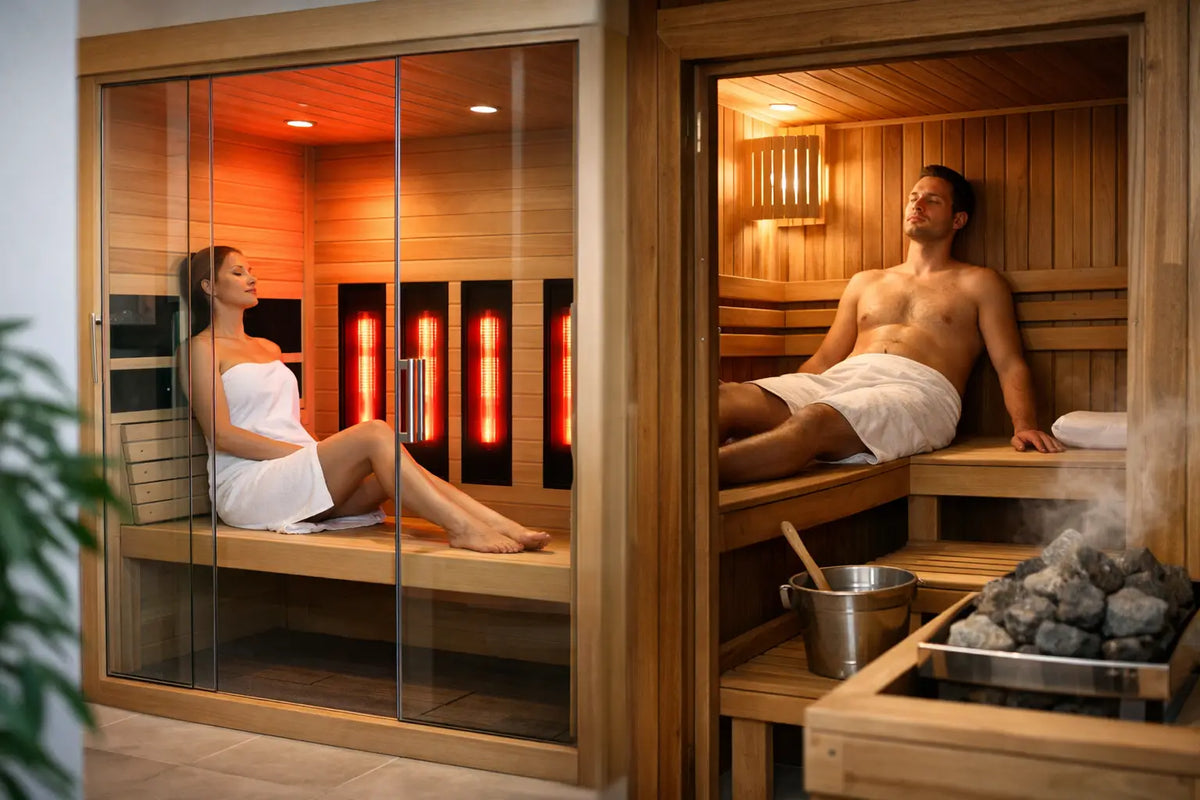
custom sauna is a clear example. When it is designed as part of a primary suite, home gym, pool house, or dedicated longevity room, it becomes architecture as much as equipment. You may want tailored dimensions, refined woodwork, integrated lighting, and a layout that feels intentional for a decade or more. That level of permanence naturally favors ownership.
The same applies to a complete recovery suite. Pairing infrared heat, cold exposure, compression therapy, red light therapy, and restorative seating creates a private system for stress relief, training recovery, circulation support, and more consistent routines. When those modalities are used frequently, the value is not only financial. It is the convenience of having your recovery ritual available on your schedule, without reservations or travel.
Purchasing may also be more economical over a long ownership period, particularly for durable equipment that remains central to your lifestyle or operation. The initial investment is higher, but recurring lease costs and end-of-term decisions do not continue indefinitely. Manufacturer warranty coverage, professional service planning, and proper installation protect that investment from the beginning.
Consider Utilization Before You Compare Payments
The most useful question is not, "What is the monthly payment?" It is, "How often will this be used, by whom, and what does that access change?"
An executive who uses a sauna four evenings a week to decompress, sleeps more consistently, and trains with less interruption may view ownership very differently from someone who expects occasional use. A serious athlete with daily compression, cold exposure, and red light sessions is not buying a novelty. They are creating an operational advantage inside the home.
For commercial spaces, look beyond direct session revenue. A wellness amenity can support member retention, premium positioning, guest satisfaction, higher-value residences, and a more memorable brand experience. Its return can be real but indirect. Leasing can be wise while testing demand, while purchasing makes sense once the amenity is essential to the property's identity.
Usage also shapes the service conversation. High-traffic environments require dependable equipment, clear cleaning protocols, staff training, and coordinated support if an issue occurs. Residential clients may prioritize quiet operation, design integration, and uncomplicated daily use. The financial structure should never distract from selecting equipment built for the actual environment.
Cash Flow Is Only One Part of the Investment
A lease preserves capital, which can be useful when a commercial project has competing needs such as construction, furnishings, staffing, marketing, or inventory. It can also allow a homeowner to allocate resources across a broader sanctuary, rather than placing the full budget into a single modality.
But purchasing gives you a different kind of freedom. There are no ongoing leasing restrictions on how long the equipment remains in place, and you can make decisions around upgrades, resale, or relocation as ownership terms allow. For buyers who value privacy, permanence, and full command of their environment, that control carries weight.
Financing may provide a middle path. It can preserve liquidity while building equity in equipment that you plan to keep. This is especially relevant for a thoughtfully designed home wellness space or an established business with clear demand. The details matter: interest, payment schedule, collateral requirements, tax treatment, and ownership timing should be reviewed with qualified financial and tax advisors.
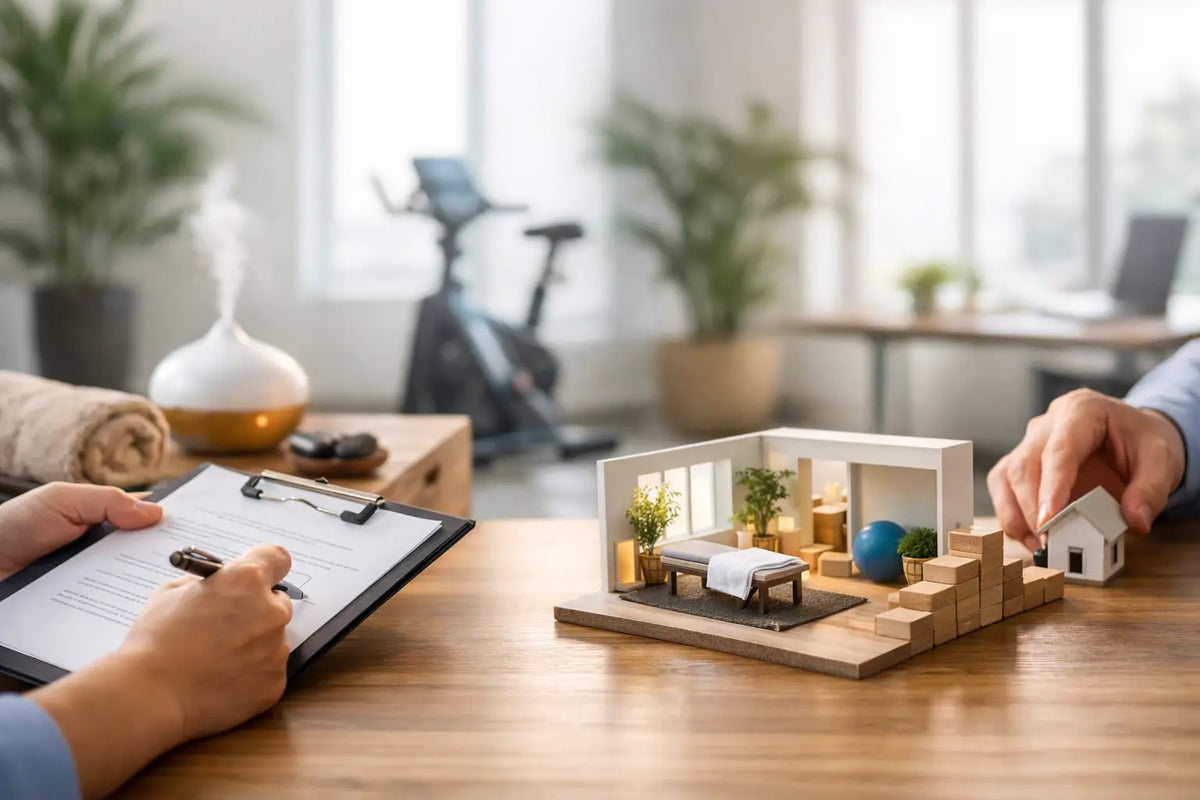
Do not compare lease payments and purchase price in isolation. Compare total cost over the period you expect to use the equipment, including delivery, installation coordination, electrical or site preparation, service, maintenance, warranty coverage, and potential upgrade plans. Premium recovery equipment performs best when the full ownership experience has been considered.
Let the Space Decide What It Needs
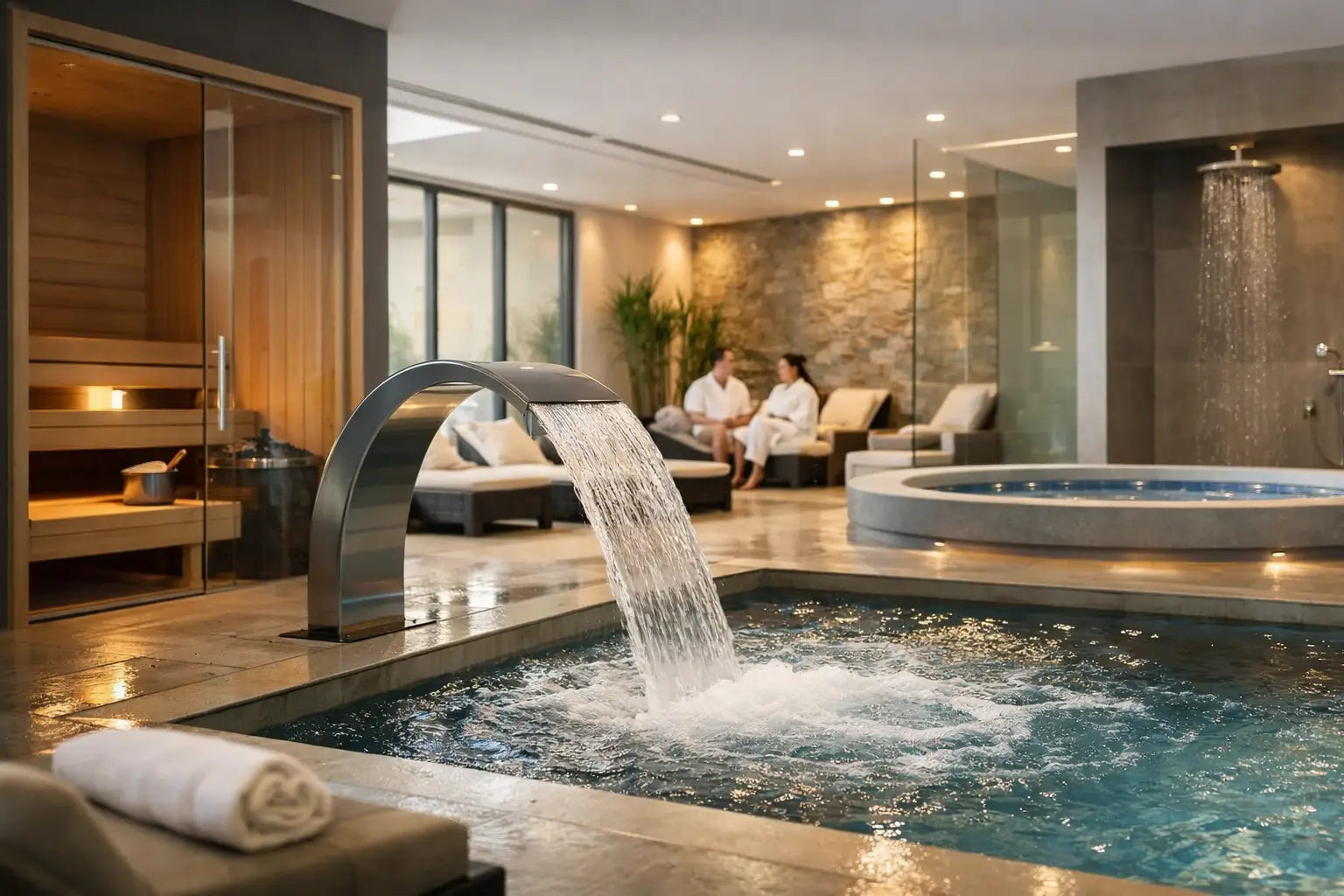
The physical setting often reveals the answer. A temporary activation, short-term hospitality installation, or newly launched recovery concept may benefit from a flexible leasing model. A residence undergoing a major renovation, a destination spa, or a luxury development with wellness built into its promise is more likely to benefit from a purchase-led plan.
Design ambition matters, too. Equipment that must fit a precise palette, circulation path, ceiling height, utility plan, or guest journey deserves early project support. A recovery space should not feel like a collection of machines placed in an empty room. It should feel composed: heat, light, cold, stillness, and movement working together with strength and serenity in harmony.
This is where curated planning earns its place. Luxe Vida Wellness can help clients consider custom specifications, sourcing, freight coordination, white-glove delivery, installation planning, and warranty-backed equipment as part of one refined vision. The goal is not to add more technology. It is to select the modalities that will actually become part of the routine.
Choose the Commitment That Matches Your Standard
Lease when adaptability, capital preservation, or a defined operating horizon is the priority. Purchase when the equipment is intended to become a lasting part of your home, property, or brand experience. If your answer is somewhere between those positions, explore financing and structure the investment around the useful life of the space.
The best wellness environment does not ask you to force recovery into an already crowded calendar. It makes recovery the natural next room, the next ritual, and the standard you return to every day.
##Ready to Plan Your Wellness Investment
Whether you're leasing to preserve capital or purchasing to build a lasting recovery space, the right equipment and structure depend on how you intend to use it. Luxe Vida Wellness helps homeowners and commercial partners evaluate options, specify equipment, and coordinate sourcing, delivery, and installation from start to finish.
Request a Quote to start planning your wellness space with our team.