Infrared Versus Traditional Sauna for Your Home
A sauna should not feel like another item on a wellness checklist. It should be the room you enter when the day has demanded too much, training has left its mark, or your mind needs a decisive change of pace. The infrared versus traditional sauna decision comes down to more than temperature. It shapes the atmosphere, the recovery ritual, the design requirements, and the way a wellness space serves your life.
For some homeowners, a traditional sauna is irreplaceable: cedar, stone, rising heat, and the quiet ceremony of pouring water over hot rocks. For others, infrared heat offers a more accessible, lower-temperature ritual that fits naturally into a demanding daily schedule. Neither is inherently superior. The right choice is the one that aligns with how you want to recover, how your space performs, and what you will genuinely use.
Infrared Versus Traditional Sauna: The Core Difference
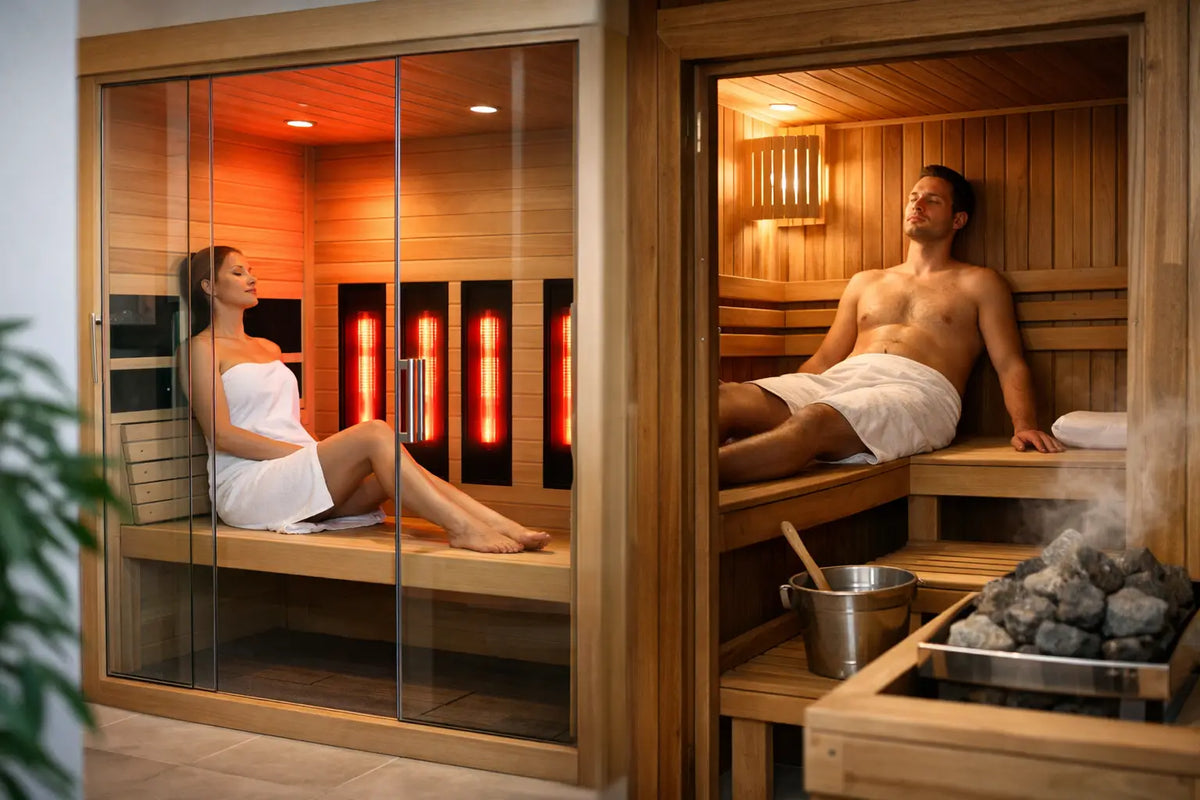
Traditional saunas heat the air inside the cabin, usually with an electric heater or wood-burning stove. The heated air warms your skin and body, creating the intense, enveloping environment most people associate with a classic Nordic sauna. Temperatures commonly range from 150 to 195 degrees Fahrenheit, though the ideal setting is personal.
An infrared sauna uses infrared emitters to warm the body more directly, rather than relying primarily on very hot ambient air. The cabin generally operates at a lower air temperature, often around 110 to 150 degrees Fahrenheit. The sensation can feel more gradual and approachable, particularly for someone who finds a high-heat room overwhelming.
Both formats produce a meaningful heat experience and encourage a period of stillness that many high performers struggle to create on their own. Yet the feeling is distinct. Traditional sauna heat is immersive, humid when water is added to stones, and deeply atmospheric. Infrared heat is often quieter, gentler on the breath, and easier to maintain for a longer session.
The Experience You Want to Return To
A premium wellness environment earns its place through repetition. The best sauna is not necessarily the model with the highest temperature or the longest feature list. It is the one that becomes part of your rhythm.
Traditional sauna: ceremonial, social, and immersive
Traditional sauna is for the person who values the full sensory ritual. The warmth arrives as soon as you step through the door. The wood aroma, the elevated heat, and the option to create steam with water on the stones turn a session into a clear departure from the rest of the house.
This format is especially compelling in a larger wellness suite, pool house, mountain residence, luxury gym, spa, or hospitality setting. It carries visual and emotional presence. A thoughtfully specified traditional sauna can feel architectural rather than merely functional, with glass fronts, tailored wood selections, integrated lighting, and room for a shared ritual.
That replaces the plain-text sentence currently reading "A thoughtfully specified traditional sauna can feel architectural rather than merely functional, with glass fronts, tailored wood selections, integrated lighting, and room for a shared ritual." Let me know if you'd rather place it elsewhere in that section.
The trade-off is intensity. High temperatures may mean shorter sessions, especially for heat-sensitive users. Traditional models also need time to preheat, so they tend to reward planned rituals over a spontaneous 20-minute reset between meetings.
Infrared sauna: efficient, private, and routine-friendly
Infrared sauna is often the natural fit for a daily wellness practice. Because the air temperature is lower, many users find it more comfortable to sit, read, listen to a guided breathwork session, or simply decompress after training. Many units also warm up more quickly than a conventional sauna, which can make consistent use easier in a full schedule.
This category works beautifully in a primary suite, home gym, recovery room, executive office, or compact urban residence where a dedicated ritual matters but square footage is considered carefully. High-end infrared models can still deliver a refined presence, especially when selected with clean lines, full-spectrum emitters, premium wood interiors, and discreet controls.
Its trade-off is that it does not recreate the classic steam-and-stone experience. If the heat of a traditional sauna is tied to your idea of restoration, infrared may feel less transportive, even if you appreciate its convenience.
Recovery, Performance, and the Limits of Any Single Modality
Heat exposure can support a recovery-oriented lifestyle by helping the body relax after demanding work or exercise. Many people use sauna sessions to ease the perception of muscle tightness, promote relaxation, encourage a pre-sleep wind-down, and create a more intentional transition out of high-output mode.
The distinction between the two styles matters here. Traditional sauna may appeal to athletes and experienced heat users who enjoy a more intense thermal challenge. Infrared may be preferable for someone seeking a lower-temperature session after strength training, travel, or a long day at a desk. It can also be a practical choice for couples or families with different heat tolerances.
Still, sauna is not a substitute for sleep, hydration, nutrition, medical care, or sound training programming. Claims that either format can single-handedly detoxify the body or solve chronic health concerns deserve skepticism. The strongest case for a sauna is more sophisticated: it creates a repeatable recovery ritual that supports the habits already carrying your performance forward.
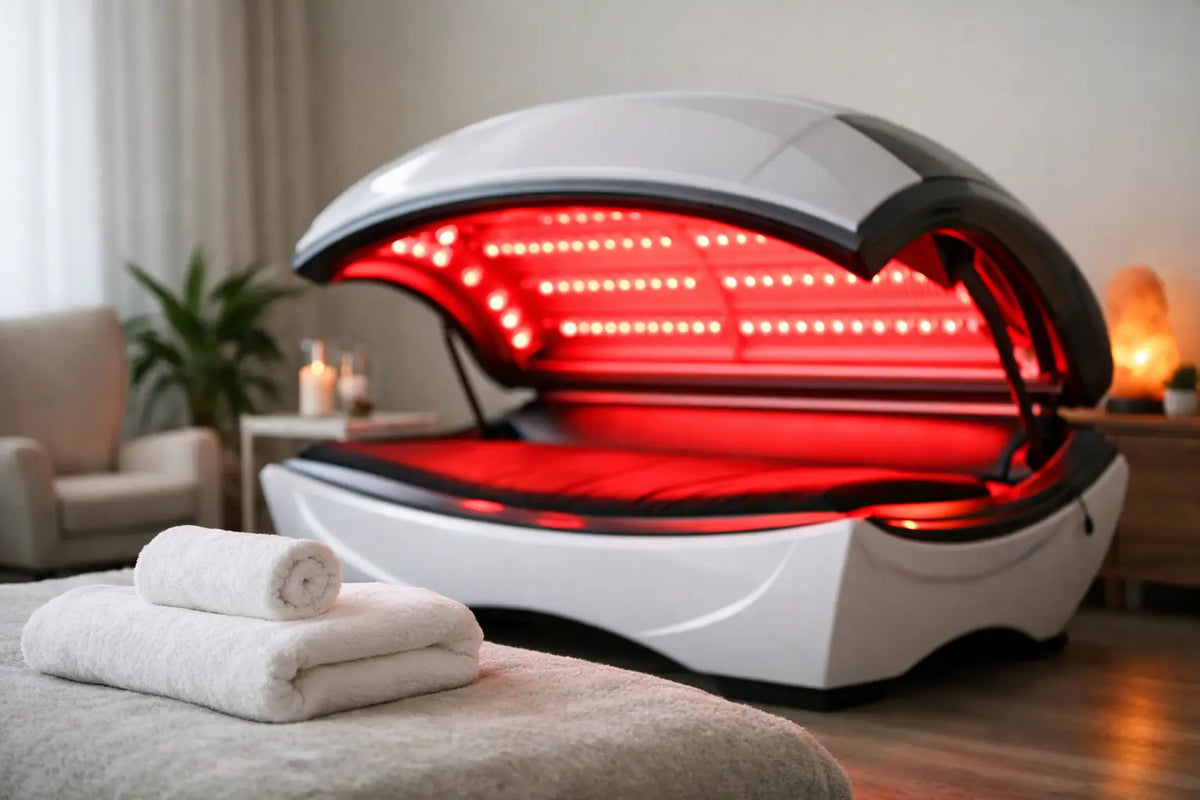
For clients building a complete sanctuary, sauna also works best as part of a considered sequence. A traditional sauna may sit naturally beside a cold plunge for contrast therapy. An infrared sauna may complement red light therapy, compression, massage, and a quiet stretch area. The goal is not to collect modalities. It is to build a space with a purpose.
Space, Installation, and Design Considerations
The infrared versus traditional sauna choice becomes more specific once the room itself enters the conversation. Traditional saunas generally require more electrical capacity, proper ventilation planning, and careful consideration of floor materials, moisture, and heat clearance. A wood-burning sauna adds further requirements related to venting, safety, and local codes.
Infrared models are typically simpler to place and operate. Depending on the unit and electrical requirements, they can be well suited to finished interiors and home-gym environments. That does not mean placement should be casual. A premium installation still benefits from a clear plan for electrical access, flooring, circulation, ceiling height, and the visual relationship to the rest of the room.
For a bespoke residence or commercial project, the choice should begin with the intended setting. A boutique hotel or destination spa may want the theater and recognizable appeal of a traditional sauna. A luxury multifamily development might choose infrared cabins for accessible, low-friction resident use. A homeowner designing a recovery suite may choose either, depending on whether the priority is a daily solo practice or a more immersive shared experience.
Luxe Vida Wellness approaches this decision as part of the larger environment, with premium equipment sourcing, custom specifications, delivery coordination, and installation support designed around the finished space rather than a single product in isolation.
Who Should Choose Which Sauna?
Choose a traditional sauna if you want authentic high heat, the option for steam, and a sensory ritual that feels almost elemental. It is an exceptional choice for those who love classic sauna culture, entertain regularly, or are creating a spa-caliber destination within the home. It also makes a strong design statement when integrated into a larger wellness suite.
Choose infrared if you prioritize convenience, a lower-temperature experience, and frequent personal use. It is particularly well suited to busy executives, longevity-focused homeowners, and athletes who want a reliable recovery touchpoint without waiting for an intensely hot cabin to warm. It may also be the smarter decision where installation simplicity and indoor placement are central considerations.
If you are building at scale, there is room for both. Traditional sauna can anchor the communal, hospitality-driven portion of a wellness amenity, while infrared provides a more private and approachable option elsewhere in the property. Strength and serenity can exist in harmony when every modality has a clear role.
Make the Decision Based on Ritual, Not Hype
Before selecting a sauna, picture a normal Tuesday rather than an idealized weekend. Are you stepping in after a 6 a.m. training session? Using it with a partner after dinner? Creating a guest-worthy spa moment? Reserving an hour for contrast therapy and stillness?
Your answers will clarify the right format quickly. If you crave heat that changes the entire room, traditional sauna is likely your standard. If you want an efficient daily refuge with luxury in every ray, infrared may become the ritual you protect most fiercely.
Choose the sauna that makes you pause, breathe, and return to yourself often. That is how a wellness purchase becomes a lasting part of the way you live.
Whether you're drawn to the gentle warmth of infrared or the classic heat of a traditional sauna, the right choice comes down to how you want to feel and how you plan to use the space. Request a Quote and let's design the sauna experience that fits your home and your recovery goals.