
Does Cryotherapy Work for Recovery and Performance?
The appeal is immediate: a few intensely cold minutes, followed by the feeling that the body has been reset. But does cryotherapy work well enough to earn a place in a serious recovery routine? For high performers, the useful answer is neither hype nor dismissal. Whole-body cryotherapy can be a valuable tool for short-term soreness relief, perceived recovery, and the mental reset that follows a demanding day. It is not a shortcut around intelligent training, restorative sleep, nutrition, or medical care.
What whole-body cryotherapy is designed to do
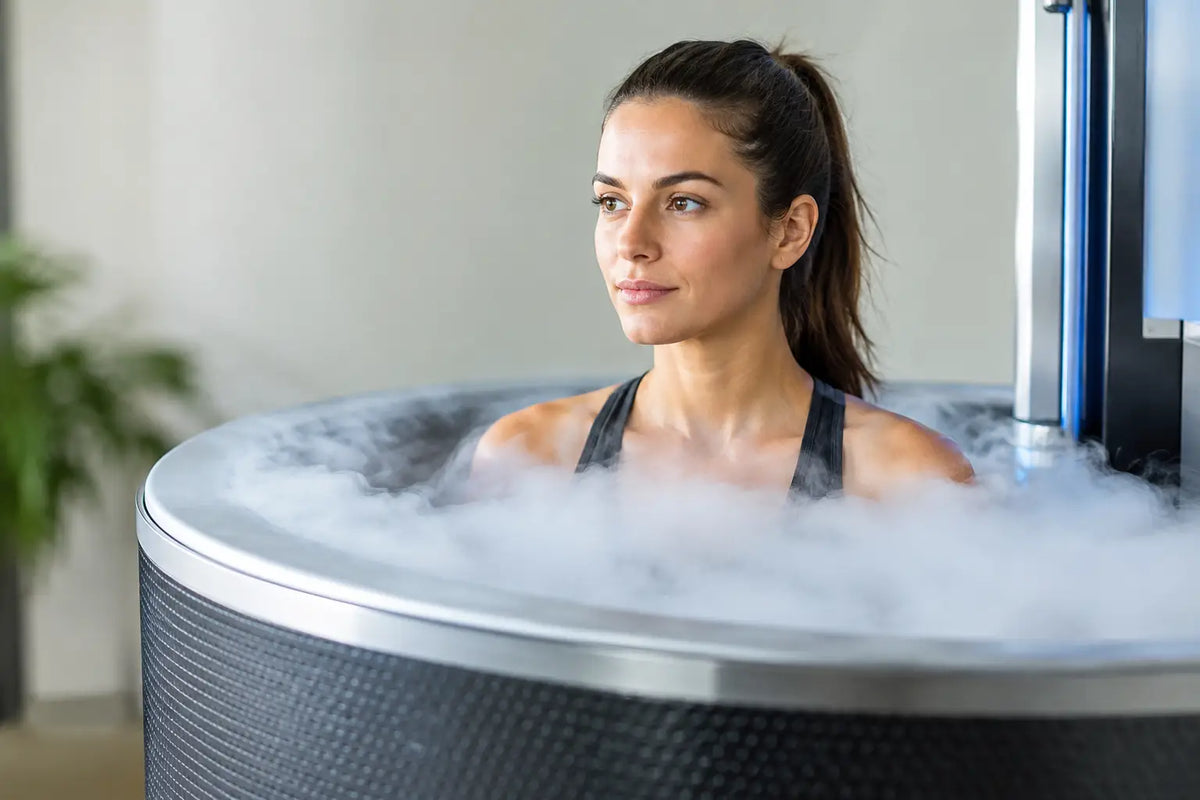
Whole-body cryotherapy exposes the body to extremely cold air for a brief, controlled session, commonly two to three minutes. The cold triggers peripheral vasoconstriction, meaning blood vessels near the skin narrow. Once the session ends and the body rewarms, circulation returns toward the surface. The experience also stimulates the nervous system, which may help explain why many people report feeling alert, energized, and less physically burdened afterward.
This is not the same as permanently changing tissue quality or erasing the physiological cost of a hard training block. Cryotherapy is best understood as an acute recovery modality. Its strongest role is helping you feel more prepared to move, train, travel, or return to a full calendar when soreness and fatigue are competing for your attention.
For a homeowner building a private recovery suite, that distinction matters. Premium equipment should deliver a clear function within a complete ritual, not carry an unrealistic promise to solve every performance or longevity goal on its own.
Does cryotherapy work for muscle soreness?
For many people, yes, particularly when the goal is reducing the sensation of soreness after intense exercise. Research on whole-body cryotherapy is still developing, and study designs vary, but the most consistent practical finding is a modest reduction in delayed-onset muscle soreness for some users. That can be meaningful after a demanding strength session, tournament weekend, long run, or period of heavy travel.
The keyword is modest. Cryotherapy may make your body feel less sore, but feeling less sore is not identical to fully restoring muscle function. A session can support comfort and readiness without guaranteeing that power output, coordination, or tissue recovery has returned to baseline. Athletes who rely on objective training data should treat cryotherapy as one input alongside sleep quality, heart-rate trends, session performance, and how the body responds over time.
The response also varies. Some people experience a noticeable reduction in heaviness and stiffness; others simply enjoy a sharp, clarifying lift in mood. A well-designed protocol gives you room to observe your own result rather than assuming every benefit will be universal.
Pain relief is not the same as injury treatment
Cold exposure can temporarily change pain perception, which is useful when general soreness is the issue. It should not be used to mask significant pain and push through a suspected injury. Sharp pain, swelling, loss of function, numbness, unexplained symptoms, or pain that persists deserve clinical evaluation.
That restraint is part of a high-performance standard. Recovery technology should help you make better decisions about your body, not make it easier to ignore the signals that protect it.
Where the evidence is most convincing
Cryotherapy has its most credible place in short-term subjective recovery: soreness, fatigue perception, and post-exercise comfort. Some users also report improved relaxation after the initial intensity, while others value the alertness that follows a session. These effects can make cryotherapy especially appealing during compressed schedules, when recovery time is limited and mental freshness matters as much as physical comfort.
There is also a practical advantage in the ritual itself. Stepping into a dedicated chamber requires a pause from notifications, meetings, and obligations. For executives and athletes alike, that deliberate break can become a reliable transition between output and restoration. The technology creates the stimulus; consistency and intention create the routine.
Claims become less certain when they extend to major fat loss, dramatic detoxification, immune transformation, or a cure for chronic conditions. Extreme cold does cause the body to expend energy maintaining temperature, but a brief session is not a meaningful standalone body-composition strategy. Similarly, while many people describe a mood lift, cryotherapy is not a replacement for mental health treatment.
The trade-off serious athletes should consider
Cold-based recovery may not fit every training objective at every moment. If your priority is maximizing muscle growth and strength adaptation after resistance training, frequent immediate cold exposure could be counterproductive. Inflammation is not always the enemy. It is one component of the signaling process through which the body adapts to training.
That does not mean cryotherapy is off-limits for strength athletes. It means timing matters. During a hypertrophy-focused phase, consider reserving sessions for rest days, later in the day, or periods when managing soreness and maintaining training quality matters more than maximizing the adaptation from a single lifting session. During competition, travel, or a dense performance schedule, the value of feeling ready for the next demand may outweigh that concern.
This is the more refined question behind “does cryotherapy work?” Work for what? A professional preparing for back-to-back meetings, a runner between hard sessions, and a lifter in a muscle-building block may all use the same chamber differently. The best protocol begins with the desired outcome.
How to make cryotherapy part of a recovery system
The most successful users do not chase intensity for its own sake. They establish a measured routine and track whether it improves the outcomes they care about. Start conservatively, follow the equipment provider’s operating guidance, and use a trained professional when visiting a facility. A typical session is brief by design. Longer is not automatically better.
Use cryotherapy after demanding conditioning, endurance work, or competition when soreness relief and next-day comfort are the priority. If you are using it around strength training, avoid making immediate post-lift sessions an automatic habit during periods focused on muscle gain. Instead, test different timing and pay attention to sleep, soreness, motivation, and subsequent training quality.
It also helps to protect the fundamentals. Hydration, adequate protein and calories, mobility work, intelligent programming, and sleep remain the foundation. Cryotherapy can enhance a recovery environment, but it cannot compensate for a lifestyle built on chronic under-recovery.
For a residential wellness space, convenience changes adherence. When recovery equipment is private, accessible, and designed to complement the architecture of the home, the ritual is more likely to become part of daily life. Luxe Vida Wellness approaches whole-body cryotherapy in that spirit: as one precise element in a sanctuary where strength and serenity exist in harmony.
For a private chamber, popular options include the Cryonick Hot Cryo Chamber, the Cryo Innovations XR Cryo Kiosk, and the Cryonick Antarctica Electric Whole-Body Cryotherapy Chamber.
Who should be cautious
Extreme cold exposure is not appropriate for everyone. People with uncontrolled high blood pressure, cardiovascular disease, poor circulation, cold-related disorders, neuropathy, certain respiratory conditions, or pregnancy should speak with a qualified clinician before using whole-body cryotherapy. The same applies to anyone taking medication or managing a health condition that affects circulation, sensation, or temperature regulation.
A properly managed session requires dry skin, appropriate protective wear for sensitive extremities, and close adherence to session limits. Alcohol, illness, and dehydration are poor companions to intense cold. If you feel dizzy, unusually uncomfortable, or unwell, stop the session.
Premium recovery is never about proving toughness. It is about selecting the right stimulus, applying it with precision, and leaving with more capacity than you had before.
A worthwhile investment when expectations are clear
Whole-body cryotherapy earns its reputation when it is positioned honestly. It can help reduce perceived soreness, provide a powerful mental reset, and support the cadence of a demanding lifestyle. Its impact is most valuable when quick comfort, readiness, and ritual are the objective.
Treat it as part of a thoughtful recovery architecture rather than a miracle intervention. The right session, at the right time, can make recovery feel less like an interruption to ambition and more like the standard that sustains it.
Ready to explore whole-body cryotherapy? Shop Cryo Chambers to compare premium options, or call 954-674-8133 to talk with a specialist about the right fit for your home or business.


