Resort Cold Plunge Installation That Guests Return For
A cold plunge becomes a signature resort amenity when it feels intentional from the first step into the recovery suite to the last towel placed back in service. Resort cold plunge installation is not simply a matter of delivering a vessel and connecting power. It is the creation of a high-touch guest ritual, supported by commercial-grade infrastructure, disciplined water care, and a design language worthy of the property.
For boutique hotels, destination spas, private clubs, and luxury wellness retreats, the opportunity is substantial. A thoughtfully specified plunge gives guests a memorable contrast-therapy experience while reinforcing the sense that the property understands modern performance, restoration, and longevity. The difference between a feature guests photograph once and an amenity they build into every stay comes down to planning.
Start With the Guest Experience, Not the Equipment
The best installations begin with a clear decision about how the plunge will be used. Is it a self-guided amenity beside a sauna? Part of a guided thermal circuit in the spa? A private recovery ritual attached to a premium suite, training center, or members-only lounge? Each model changes the appropriate capacity, controls, staffing plan, and finish level.
A self-service hotel plunge needs intuitive access, highly reliable sanitation, clearly placed operating guidance, and a layout that protects privacy without making the space feel hidden or difficult to supervise. A spa-led experience can accommodate more choreography: a pre-plunge shower, a warm sauna or steam session, lounge seating, hydration, and an attendant who manages timing and turnover.
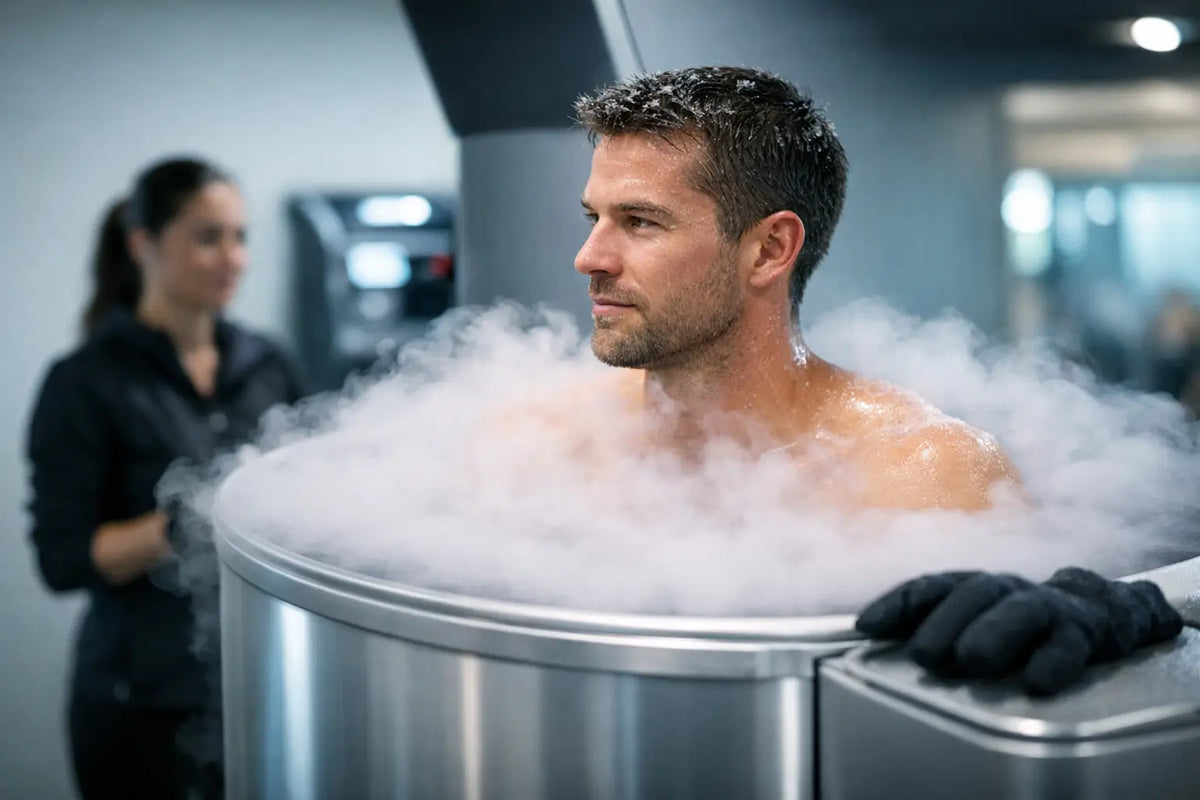
Temperature is equally strategic. Colder is not automatically better. A setting that aligns with the operator's guest profile, supervision model, and local requirements will create a more comfortable and repeatable experience than an aggressively low temperature selected for marketing appeal. The goal is controlled contrast and a feeling of renewal, not a test of endurance.
Site Selection Shapes the Entire Installation
A plunge may occupy a surprisingly modest footprint, but the surrounding service zone should not be an afterthought. Guests need room to enter and exit safely, place towels and robes, shower before use, and move without crossing through wet traffic. Staff need practical access to filters, controls, drains, and service panels.
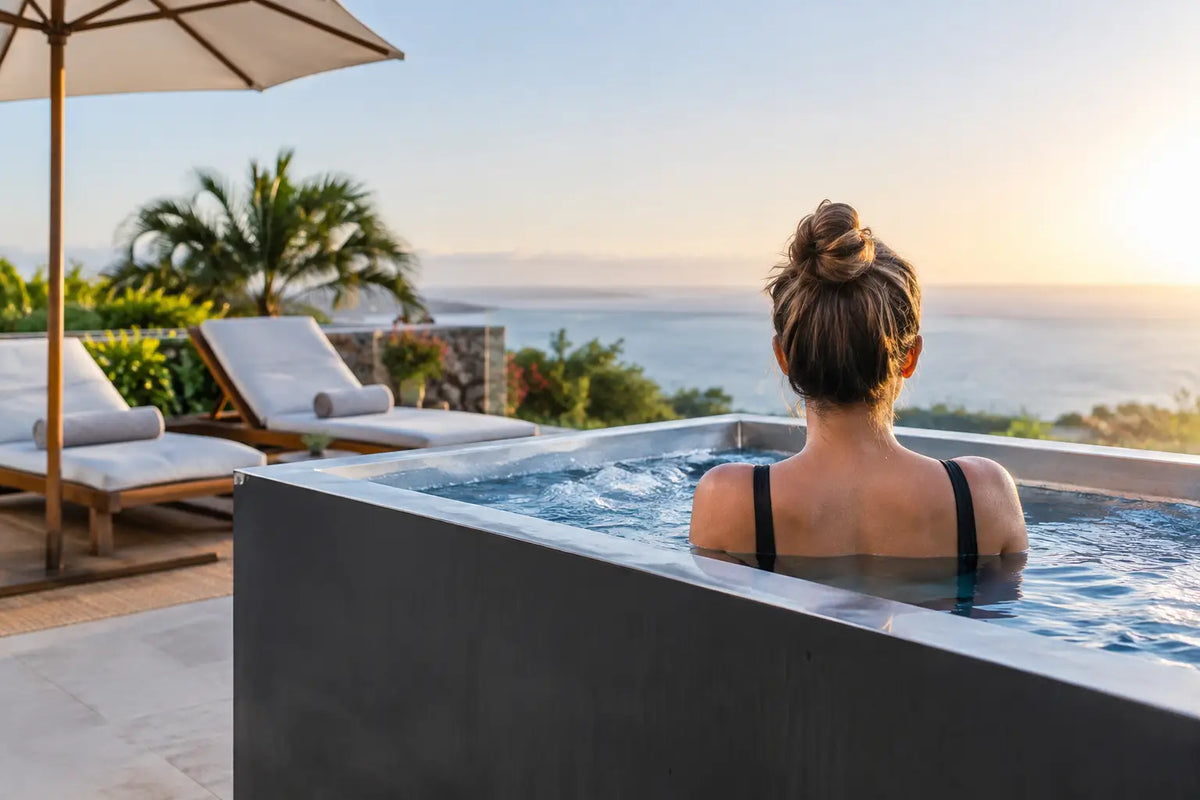
Indoor placement offers year-round usability and stronger environmental control, though humidity management becomes essential. A wet-area floor system, appropriate ventilation, and materials selected for repeated exposure to moisture protect the space and preserve its luxury finish. Outdoor installations can be visually dramatic, especially near a mountain view, garden, or pool terrace, but they require greater attention to weather exposure, freeze protection, surface drainage, security, and seasonal operating plans.
The floor structure deserves early review. Water is heavy, and a filled cold plunge can place meaningful loads on a deck, elevated terrace, or upper-level spa floor. Engage the appropriate structural and building professionals before finalizing a model or location. It is far less expensive to resolve load capacity, access clearances, and utility routing during design than after stone, tile, or millwork is complete.
Plan Utilities Before Finishes Are Locked
Commercial-ready cold plunges commonly require dedicated electrical service, dependable water supply, drainage, and sufficient clearance for equipment ventilation and maintenance. Requirements vary by system, so the selected unit's specifications should guide final coordination rather than assumptions made from residential equipment.
Drainage is especially consequential. A floor drain nearby is useful, but it may not satisfy all operational needs. Consider where water will go during draining, cleaning, overflow events, and emergency service. The route should support safe, clean maintenance without asking staff to run hoses through guest corridors or across finished surfaces.
If the plunge is integrated into a larger thermal suite coordinate all utilities as one system. Saunas, steam rooms, showers, ice features, and hydration stations each influence mechanical loads, floor drainage, and guest circulation. A recovery sanctuary should feel effortless because its infrastructure was planned with precision.
Specify for Commercial Reality
A resort environment places different demands on equipment than a private residence. Guest volume, staff turnover, operating hours, exposure to sunscreen or body products, and varied user behavior all increase the need for durable construction and accessible serviceability.
For a resort cold plunge installation, prioritize a unit with commercial-appropriate filtration and sanitation capability, a reliable chiller sized for the anticipated use pattern, insulated construction, and components that can be serviced without dismantling the room. Finish quality matters, but the most beautiful tub is a liability if routine maintenance requires removing surrounding millwork or shutting down half the spa.
Capacity should reflect peak use rather than average occupancy. A two-person plunge can work beautifully in a private treatment suite or low-traffic members lounge. A busy resort spa may benefit from multiple smaller plunges, a larger communal vessel, or a timed reservation approach. Multiple units can also provide redundancy. If one system is undergoing service, the wellness experience does not disappear from the guest offering.
Automation has value, but it should support operations rather than replace them. Remote monitoring, temperature alerts, and water-quality tracking can help a team respond quickly. They do not eliminate the need for documented inspections, trained staff, and a clear escalation plan when readings fall outside the property's standards.
Water Care Is Part of the Luxury Standard
Crystal-clear water is not a cosmetic detail. It is the visible evidence of a disciplined wellness operation. Resorts should establish water-care procedures before opening day, including testing frequency, chemical management, filter cleaning or replacement, surface cleaning, water-change schedules, and service documentation.
The exact program depends on the equipment, bather load, local regulations, and the sanitation approach approved for the property. Work with qualified pool, spa, and health-code professionals to build a protocol that meets applicable requirements. Health department rules can differ by jurisdiction, particularly when an amenity is available to the public or used by hotel guests.
Staff training should cover more than testing strips and control panels. Team members need to know how to recognize a guest-access concern, respond to a leak or temperature fault, close the plunge when needed, and communicate with calm authority. In a premium setting, operational confidence is part of the service experience.
Protect the Space Between Uses
A polished recovery suite anticipates the small details. Provide a nearby rinse shower, non-slip flooring, towel storage that stays dry, discreet bins for used linens, and seating where guests can acclimate before returning to the rest of the property. Use materials that tolerate moisture and frequent cleaning without losing their finish.
Clear guest guidance should be visible without reading like a wall of warnings. Explain shower expectations, suggested use duration, age and health considerations, and when guests should seek medical advice before participating. Properties should also establish an accessibility review, including how guests enter and exit the plunge and whether alternative recovery offerings are available when cold immersion is not appropriate.
Design a Thermal Circuit Worth Lingering In
Cold water rarely delivers its strongest hospitality value in isolation. It becomes more compelling as part of a sequence: movement, heat, cold, rest, hydration, and return. This is where a resort can turn a single equipment purchase into an experience that earns loyalty.
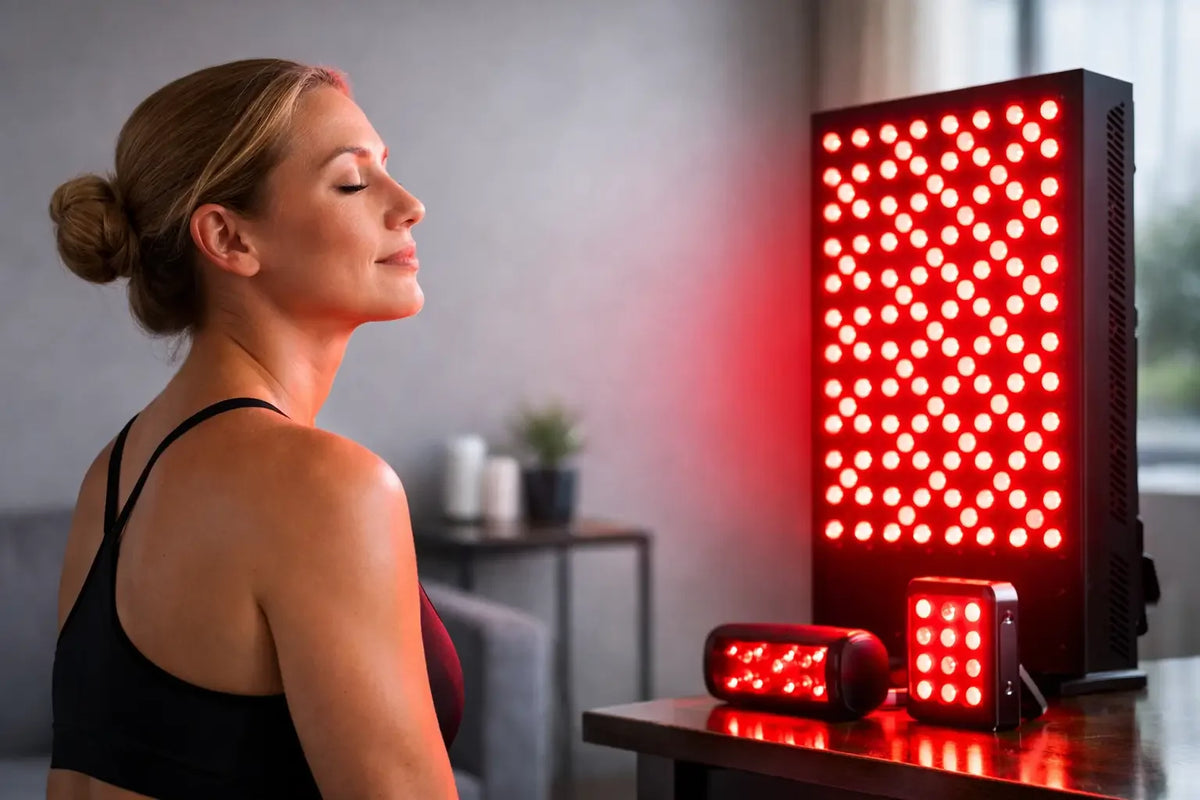
Place the plunge near complementary modalities when the floor plan permits. A sauna, steam room, warm shower, relaxation lounge compression area or quiet outdoor recovery deck can extend the ritual without overcrowding it. Maintain enough separation that guests are not forced to navigate wet floors, noise, or direct sightlines while changing states.
Design should balance visual drama with emotional calm. Natural stone, warm wood, architectural lighting, and tactile towel presentation can make the room feel like world-class hospitality rather than a fitness locker room. At the same time, the equipment must remain easy for staff to inspect and clean. Luxury in every detail includes the details guests never see.
Build Service Into the Purchase Decision
The purchase price is only one part of the investment. Delivery access, freight coordination, installation sequencing, electrical and plumbing work, startup, warranty support, consumables, and preventative service all affect the long-term cost and reliability of the amenity.
Before committing, ask who will coordinate delivery timing with the construction schedule, what site preparation is required, how warranty claims are handled, and whether replacement parts can be obtained quickly. For commercial properties, downtime carries a direct reputational cost. A guest who books a recovery-focused stay expects the experience to be available.
Luxe Vida Wellness supports commercial wellness projects with curated equipment sourcing, custom specifications, delivery coordination, and installation planning. That project-level approach is particularly valuable when a cold plunge is one element within a complete spa, hospitality, fitness, or residential-development environment.
A well-executed cold plunge does more than lower the water temperature. It gives guests a private moment of resolve, clarity, and restoration within the rhythm of their stay. Build that moment with the same care given to the lobby, the suite, and the spa menu, and it can become one of the reasons they choose to return.
Ready to bring a signature cold plunge experience to your property? Start your wellness space project with our team.