White Glove Wellness Equipment Delivery, Defined
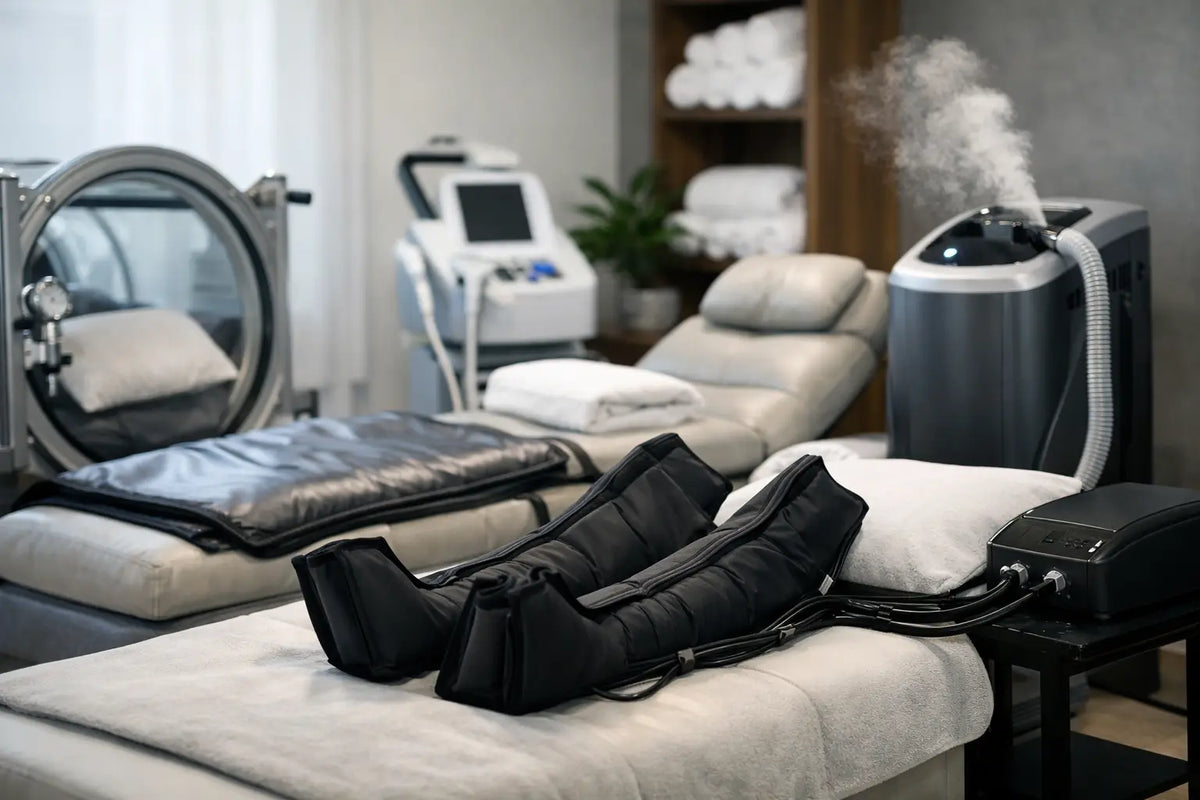
A cryotherapy chamber does not arrive like a package of compression boots. A red light therapy bed is not handled like a wall-mounted panel. When your investment is designed to become part of a private recovery ritual or a signature hospitality amenity, white glove wellness equipment delivery is the difference between a freight shipment and a considered arrival.
Premium wellness equipment is substantial in more ways than one. It carries meaningful financial value, often requires careful access planning, and must look at home in an environment built around strength, serenity, and design. The delivery experience should reflect that standard from the first scheduling call to final placement.
What White Glove Wellness Equipment Delivery Means
At its best, white glove service is a coordinated delivery experience for high-value, oversized, or technically demanding equipment. Rather than leaving a pallet at the curb or relying on a homeowner to solve the final 50 feet, delivery is planned around the realities of the site: access routes, door widths, stairs, elevators, flooring, room location, and timing.
The exact scope varies by product, manufacturer, destination, and project. That distinction matters. White glove delivery can include inside placement, room-of-choice delivery, packaging removal, delivery appointment coordination, and installation coordination. For certain modalities, final assembly, electrical connection, plumbing work, ventilation, calibration, or commissioning may require qualified local trades or manufacturer-approved technicians.
The value is not simply that someone carries the equipment inside. It is that the experience is managed with the care appropriate to a wellness sanctuary. Your equipment arrives with a plan, your property is treated with respect, and the handoff is clearer.
Why Freight Delivery Alone Is Not Enough
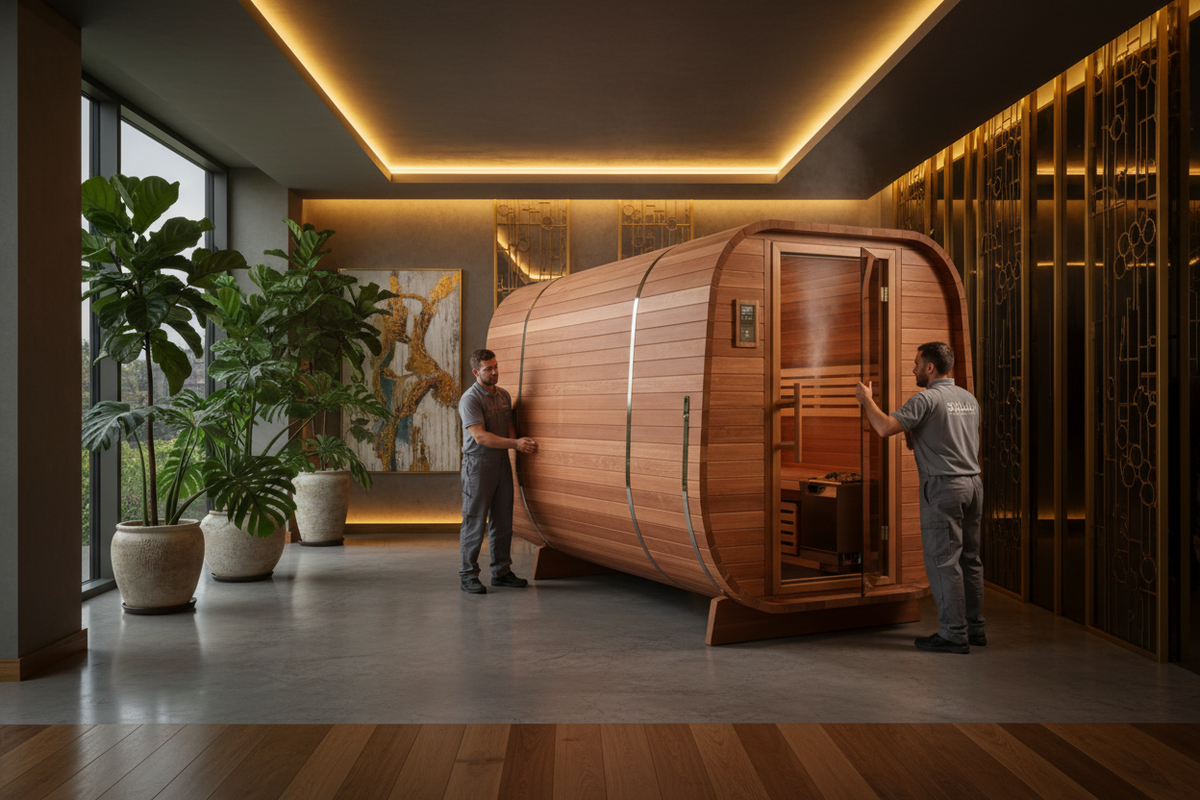
Standard freight is designed for transportation efficiency. It commonly ends at curbside, dockside, or threshold delivery, with the recipient responsible for moving the product beyond that point. For a compact item, that may be perfectly reasonable. For a sauna cabin, cold plunge, massage chair, cryotherapy system, or full-body light bed, it can create unnecessary friction at the final stage.
Consider the details that are easy to overlook before equipment is in transit. A private residence may have a steep driveway, narrow entry hall, polished stone floors, or a lower-level wellness room reached by stairs. A hotel may have restricted loading hours, a service elevator reservation, union labor requirements, or a project manager coordinating multiple trades. A designer may need placement timed around millwork, tile, and final styling.
These are not minor logistics questions. They affect whether a delivery is straightforward, whether additional labor is needed, and whether the equipment can be placed safely without compromising the space. White glove coordination brings those questions forward, where they belong.
The Details That Shape a Polished Arrival
A premium delivery begins well before the truck arrives. A thoughtful team confirms the equipment dimensions and weight, then compares them with the intended route. That can include the driveway or loading area, gates, elevators, hallways, turns, door clearances, and the final installation location.
Access and placement planning
Room-of-choice placement is valuable only when the route has been properly assessed. A recovery bed may fit through an exterior door but not around an interior corner. A sauna may be destined for a second-floor suite but require elevator dimensions and floor-loading confirmation. For larger commercial installations, the route may involve a loading dock, protective floor coverings, security check-in, and scheduled access windows.
Sharing accurate measurements, clear photos, and site constraints early allows the delivery plan to match the property rather than forcing the property to adapt on delivery day. If a route is not viable, a different entry point, additional labor, equipment lift, or phased installation may be the right answer.
Protection for the property and the product
Luxury is felt in the details. That includes careful handling around finished flooring, architectural millwork, glass, and furnishings. It also includes keeping equipment protected until it reaches its final room and inspecting the shipment at handoff.
Packaging removal is often welcome because premium equipment can generate considerable material. Yet it should be confirmed in advance, particularly where local disposal rules, construction-site procedures, or building policies apply. The goal is a finished environment that feels composed, not a wellness room surrounded by pallets and cartons.
Installation is its own discipline
Delivery and installation are related, but they are not interchangeable. A massage chair may need placement, unboxing, and basic setup. A cold plunge may require a stable, level surface, appropriate electrical service, water access, drainage planning, and enough clearance for maintenance. A traditional sauna may call for electrical work and ventilation considerations. Cryotherapy and body-contouring equipment can carry site, power, training, and commissioning requirements that deserve specialized attention.
The best approach is direct: clarify what the delivery team handles, what is coordinated separately, and what must be completed before arrival. This avoids the most expensive kind of delay - equipment on site without a ready environment.
A Better Process for Home Wellness Sanctuaries
For private clients, white glove service protects something beyond the purchase: your time. High performers do not build a home recovery suite to spend a weekend arranging freight labor, moving heavy components, and researching access requirements after the fact.
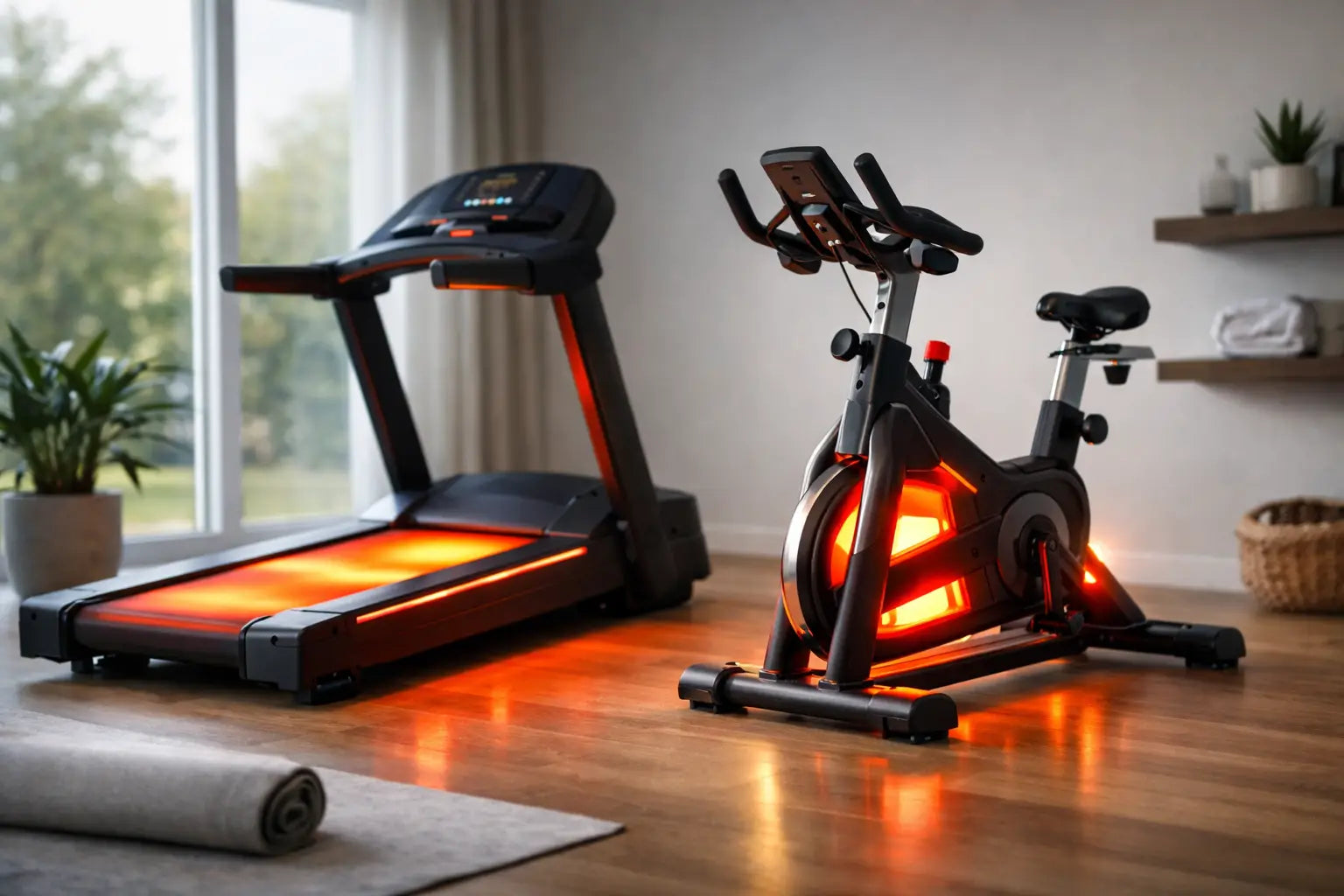
Start by selecting the room with the full experience in mind. Consider not only the equipment footprint but also circulation space, service access, humidity or temperature conditions, electrical needs, and how the room will feel before and after a demanding day. A large red light panel can anchor a dedicated recovery space, provided it has the correct clearance and mounting support planned in advance. can anchor a dedicated recovery space, provided it has the correct clearance and mounting support planned in advance. A sauna and cold-plunge pairing may call for more deliberate planning around flooring, drainage, ventilation, and privacy.
Then document the path from curb to room. Measure openings at their narrowest point, including trim and turns. Note stairs, landings, gates, and elevator restrictions. If the home is still under construction or renovation, coordinate delivery timing with the general contractor so finished surfaces are protected and necessary utilities are live.
Luxe Vida Wellness approaches this work as part of a complete recovery environment, not an afterthought once equipment has been selected. The right delivery plan supports the ritual you are creating: private, efficient, and ready to serve your goals.
Commercial Wellness Projects Need a Different Level of Coordination
For hospitality, spa, fitness, residential-development, and design projects, delivery is a project milestone. It must align with construction schedules, receiving protocols, staffing, insurance requirements, and the readiness of every supporting system.
A boutique hotel may need a red light therapy suite installed between final inspections and opening-week staff training. A luxury residential developer may be receiving multiple modalities for an amenity floor while elevators, access control, and furniture deliveries are still being coordinated. A destination spa may require equipment positioned to preserve guest circulation and maintain a calm visual language across the entire treatment area.
In these environments, the delivery plan should account for who accepts the shipment, where it can be staged, when it can move through the building, and which specialists need to be present. It should also identify the decision-maker for day-of questions. A project that has one clear chain of communication moves with more confidence than one relying on assumptions across vendors.
There is a trade-off: more coordination can require additional lead time and site information. It is worth it when the alternative is rescheduling labor, blocking a service corridor, or delaying an opening because a critical room was not prepared.
Questions to Resolve Before Your Equipment Ships
Before a delivery date is confirmed, establish the practical details that protect the experience:
Whether service is curbside, threshold, room-of-choice, or includes additional placement support
Whether packaging removal is included
Which installation tasks are covered, and which require licensed electricians, plumbers, HVAC professionals, or manufacturer-authorized technicians
Final equipment dimensions, shipment configuration, weight, and required clearances
Site-readiness requirements, including upstairs, basement, rooftop, or restricted-access commercial installation
These conditions don't automatically prevent delivery, but they may change the recommended logistics plan.
For commercial buyers, also confirm:
Receiving hours and loading access
Certificates of insurance
Elevator reservations
Protective measures and staging limits
Construction-site rules
A refined result is built through this level of precision.
FREQUENTLY ASKED QUESTIONS
Does white glove delivery include installation?
Not always — delivery and installation are related but separate services. Basic placement and unboxing are typically included, while electrical work, plumbing, ventilation, or manufacturer-certified commissioning often require licensed trades or specialized technicians. Confirm the exact scope before your delivery date.
What's the difference between white glove delivery and standard freight delivery?
Standard freight typically ends at curbside, dockside, or your threshold, leaving you to move and place the equipment yourself. White glove delivery is coordinated around your property's specific access, timing, and placement needs, often including inside delivery, room-of-choice placement, and packaging removal.
How far in advance should I schedule white glove delivery?
For most premium wellness equipment, plan several weeks ahead, especially for larger installations like a sauna or cryotherapy chamber that require access planning, electrical coordination, or commercial building logistics. Commercial projects typically need more lead time to align with construction and staffing schedules.
The Delivery Experience Sets the Standard
A premium wellness investment should not begin with uncertainty at the curb. It should arrive with the same confidence you expect from the equipment itself: intentional placement, responsible coordination, and respect for the space you have created.
When delivery is treated as part of the wellness environment, the final result feels different. The sauna is positioned for a quiet evening ritual. The cold plunge is ready to anchor a disciplined morning. The recovery suite opens with the composure of world-class hospitality. That is the standard worth planning for.