
How to Improve Lymphatic Flow (And Why It Matters for Recovery)
The body’s lymphatic system does some of its most valuable work quietly: moving fluid, carrying immune cells, and helping clear cellular waste from tissues. Unlike the cardiovascular system, it has no central pump. That makes daily habits particularly relevant. If you are asking how to improve lymphatic flow, the answer is rarely one dramatic intervention. It is a considered recovery rhythm built around movement, hydration, breathing, and restorative technology.
For ambitious people, lymphatic support is not about chasing a quick fix for puffiness after a flight or a demanding week. It is about creating the conditions for the body to recover with greater consistency. Your home wellness space can turn that intention into a ritual - private, efficient, and designed around your standard.
What Lymphatic Flow Does for the Body
The lymphatic system is a network of vessels, nodes, and organs that helps maintain fluid balance and supports immune function. It collects excess fluid, proteins, and metabolic byproducts from tissues and returns much of that fluid to the bloodstream. Lymph nodes help filter lymph along the way.
When circulation, muscular activity, hydration, and breathing are well supported, lymph moves more effectively. When life becomes highly sedentary, travel-heavy, dehydrating, or stressful, some people notice temporary swelling, heaviness, or a sense of sluggishness, especially in the legs and hands.
That said, lymphatic concerns are not always a lifestyle issue. New, one-sided, severe, or persistent swelling deserves prompt medical evaluation. The same is true for swelling accompanied by pain, redness, shortness of breath, chest pain, fever, or unexplained weight change. Wellness equipment can complement a healthy recovery routine, but it should not replace medical care.
How to Improve Lymphatic Flow Through Daily Movement
Muscle contraction is one of the most practical ways to encourage lymph movement. Each walk, squat, calf raise, and stretch creates a gentle pumping action through the body. The goal is not necessarily an exhausting workout. Consistent, low-intensity movement often serves the lymphatic system better than remaining still all day and attempting one heroic session at night.
Start with walking. A brisk 10- to 20-minute walk after a long period at a desk, on a plane, or in the car can help reintroduce circulation and mobility without adding meaningful stress to your system. If your schedule is tightly managed, short walks distributed across the day are a credible strategy, not a compromise.
For lower-body heaviness after training or travel, ankle pumps, controlled calf raises, and a few minutes of easy cycling can be especially useful. The calf muscles are frequently called a peripheral pump because of their role in returning blood and fluid from the lower legs. Pair this with a mobility practice that opens the ankles, hips, rib cage, and shoulders. Lymphatic vessels exist throughout the body, so movement should not be confined to one area.
Use Breath as Part of Your Recovery Practice
Deep diaphragmatic breathing changes pressure inside the chest and abdomen, which can support fluid movement through central lymphatic pathways. It is also a deliberate transition out of a high-alert state - a valuable benefit for anyone balancing demanding work, training, and travel.
Try five minutes of slow breathing before bed, after sauna time, or while your compression session begins. Breathe gently into the lower ribs and abdomen, then exhale longer than you inhale. There is no need to force a breath hold or turn the practice into another performance metric. The best protocol is the one you will return to consistently.
Hydration, Heat, and Recovery Rituals
Hydration matters because lymph is largely water. Adequate fluid intake supports normal circulation and can be particularly relevant around exercise, air travel, alcohol, and heat exposure. Individual needs vary by body size, diet, climate, medications, and activity level, so there is no universal gallon target. A practical measure is to drink regularly throughout the day and increase fluids thoughtfully when you sweat.
A premium sauna ritual can fit naturally into this equation. Infrared and traditional saunas encourage relaxation, warmth, and perspiration while creating a protected interval away from screens and demands. Many people enjoy the temporary feeling of looseness and reduced muscle tightness that follows heat. But sweat is not proof that toxins have been removed, and sauna sessions are not a substitute for clinical lymphatic treatment.
The trade-off is hydration and tolerance. Heat can be demanding, especially after intense training, alcohol, poor sleep, or a long travel day. Begin with a moderate session, cool down gradually, and replenish fluids. People with cardiovascular conditions, low blood pressure, pregnancy, or medications that affect fluid balance should ask a qualified clinician whether sauna use is appropriate for them.
Cold exposure may also have a place in a complete recovery environment, particularly when it helps you feel alert, composed, and ready to move afterward. Yet more intensity is not always better. A cold plunge is a stressor as well as a ritual. If it leaves you tense, dizzy, or reluctant to move, it may not be the right choice in that moment. Your recovery suite should respond to your body, not force it into a trend.
Where Compression Boots Fit In
Sequential pneumatic compression boots are among the most direct at-home modalities for a heavy-legged, post-training, or post-travel routine. Their chambers inflate and deflate in sequence, applying external pressure that can support temporary comfort and a sense of circulation in the limbs. For serious athletes and high-output professionals, the appeal is simple: recovery can happen while you read, take a call, or decompress in privacy.
Compression is especially compelling because it is effortless. After a run, strength session, or cross-country flight, 20 to 30 minutes in compression boots can become a reliable transition between exertion and restoration. It works well alongside easy movement, hydration, and sleep, rather than as a replacement for them.
However, compression is not right for everyone. Avoid self-prescribing it if you have known or suspected deep vein thrombosis, significant peripheral arterial disease, severe uncontrolled heart failure, an active skin infection, or unexplained leg swelling. Recent surgery, cancer treatment, and diagnosed lymphedema also call for individualized guidance from your medical team or a certified lymphedema therapist.
Gentle Bodywork Can Make the Difference
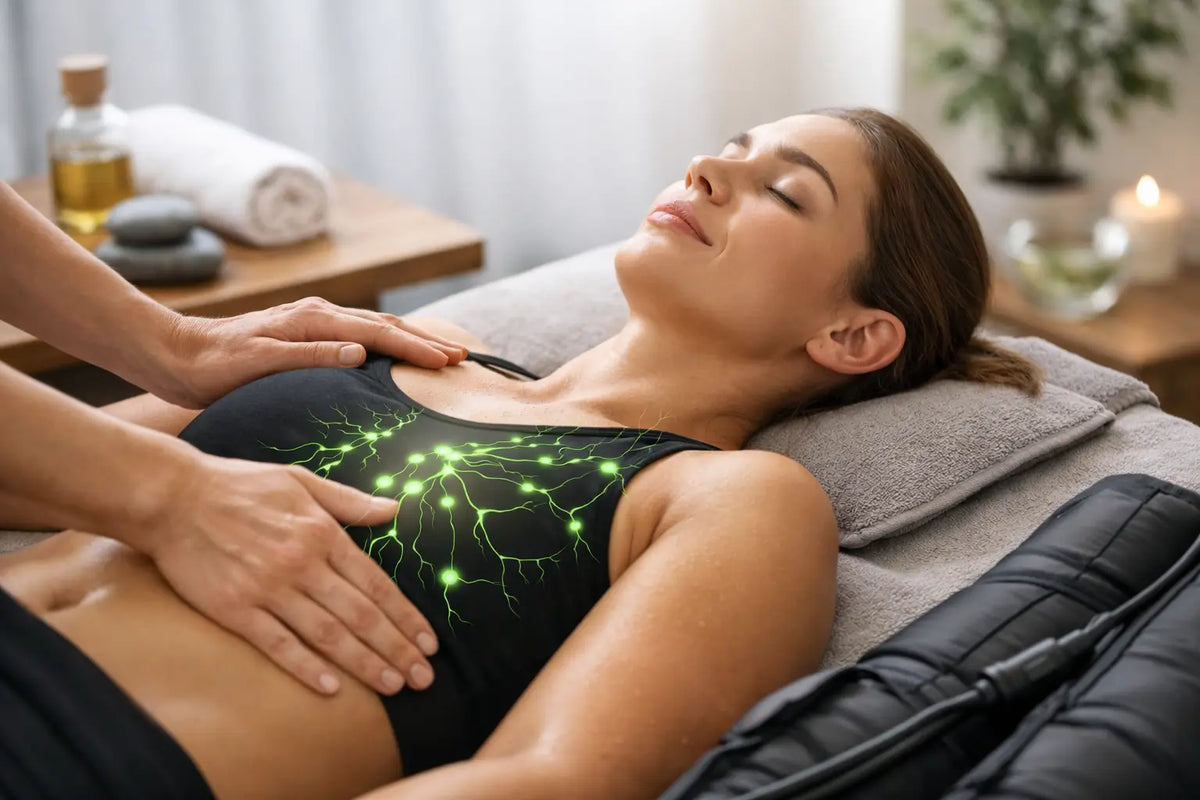
Manual lymphatic drainage is a specialized, very light-touch technique, not the deep pressure associated with sports massage. A trained professional may recommend it in certain clinical or post-procedure contexts. At home, aggressive scraping, deep tissue tools, and forceful massage are not equivalent substitutes and may irritate sensitive tissue.
A gentler approach is often more aligned with the system itself. Light self-massage, applied with clean hands and minimal pressure, can feel calming after a shower or before sleep. Start with a few relaxed breaths and avoid working directly over swollen, painful, infected, or medically compromised areas. If you are recovering from a cosmetic or medical procedure, follow the surgeon’s specific aftercare instructions rather than a generalized online routine.
Design a Lymphatic-Supportive Sanctuary
The strongest wellness environments remove friction. If your recovery equipment is hidden in a garage corner or requires a complicated setup, consistency will suffer. A thoughtfully designed sanctuary makes movement, heat, compression, hydration, and rest feel like a single ritual.
Consider the sequence rather than the individual product. You might begin with a short walk or infrared cardio session, transition into a measured sauna session, rehydrate, then settle into compression boots with your feet supported. On another day, the right ritual may be simpler: ten minutes of mobility, diaphragmatic breathing, and an early bedtime. Strength and serenity exist in harmony when the space gives you permission to choose what your body needs.
For residential and hospitality projects, this is where considered planning matters. Equipment dimensions, electrical requirements, ventilation, flooring, privacy, and traffic flow should be addressed before installation. Luxe Vida Wellness approaches recovery rooms as complete environments, helping create spaces where premium technology and daily usability are equally considered.
Consistency Is the Real Upgrade
There is no single machine, supplement, or extreme protocol that guarantees better lymphatic flow. The durable advantage comes from behaviors that are almost unglamorous: move frequently, breathe deeply, hydrate intelligently, recover after exertion, and seek medical guidance when symptoms fall outside the ordinary.
Build the ritual you can keep after the launch week has passed. A sanctuary earns its place not through how impressive it looks, but through how often it helps you return to yourself - clear, restored, and ready for what is next.
Ready to build your own recovery ritual? Explore our compression therapy collection and start turning consistency into your quiet advantage.