Biohacking Equipment Trends Shaping Home Recovery
The most meaningful biohacking equipment trends are not about filling a room with gadgets. They are about making recovery as private, refined, and reliable as a morning training session or an executive meeting. For high-performing households and hospitality brands, the priority has shifted from owning a single popular modality to creating a wellness environment where heat, cold, light, movement, and restoration work together.
That distinction matters. A premium sauna may support relaxation after a demanding day. A cold plunge may become a decisive reset after hard training. But when these experiences are thoughtfully specified around your goals, available space, and daily rhythm, they become a lasting ritual rather than an occasional novelty. The new standard is not more equipment. It is better curation.
Biohacking Equipment Trends Move From Devices to Ecosystems
For years, at-home recovery was often purchased one product at a time: a compact massage device, a basic light panel, perhaps a cold tub. That approach can work, but it rarely creates the consistency that drives a meaningful wellness routine. The strongest trend in premium wellness is the recovery suite: a coordinated collection of equipment designed to make use intuitive and repeatable.
A complete suite might pair an infrared sauna with a cold plunge, then add red light therapy or compression for targeted recovery. In another home, the priority may be sleep quality and stress management, leading to a quieter sanctuary centered on red light, PEMF therapy, and massage. The right composition depends on the individual. An endurance athlete and a founder who spends long hours traveling may both value recovery, yet require very different rituals.
For commercial properties, this shift is even more pronounced. Boutique hotels, luxury residential developments, and destination spas are treating wellness amenities as a defining part of the guest experience. A beautifully designed recovery lounge can distinguish a property long after the first impression in the lobby. Performance and presentation must exist together.
Heat and Cold Become a Designed Daily Ritual
Contrast therapy remains one of the most visible categories in high-end recovery. The appeal is direct: controlled heat, followed by deliberate cold exposure, creates a powerful transition out of physical fatigue and mental overload. Yet the trend is becoming more sophisticated than a cold tub placed beside a sauna.
Homeowners are increasingly selecting equipment for aesthetics, water management, insulation, sanitation, and ease of operation, not just temperature range. A cold plunge should feel composed within a luxury bathhouse, pool house, or home gym. A sauna should complement the architectural language of the residence while delivering the heat experience the owner prefers.
Traditional saunas, infrared saunas, and combination models each have a place. Traditional sauna enthusiasts may prefer the intensity, ritual, and humidity of heated stones. Infrared is often favored by those who want a gentler heat experience and convenient integration into a daily routine. Neither is automatically superior. The better choice depends on comfort preferences, health considerations, installation requirements, and how often the equipment will be used.
Cold plunge design is evolving in the same direction. Premium systems are expected to offer dependable cooling, filtration, clean lines, and a process that does not add another maintenance obligation to an already demanding schedule. The luxury is not simply the cold. It is the confidence that the ritual is ready when you are.
Red Light Therapy Is Moving Into the Main Recovery Zone
Red light therapy has moved beyond the small tabletop device. Full-body beds, vertical systems, and high-output panels are becoming central features in dedicated wellness rooms, particularly for clients interested in skin appearance, recovery support, and a restorative evening routine.
This category benefits from intentional placement. A full-body system deserves room to feel like an experience, not an afterthought squeezed into a storage alcove. Panels require thoughtful mounting height, electrical planning, and enough clearance for comfortable use. For a home setting, the visual result matters as much as the equipment footprint. For a spa or fitness facility, durable workflow and guest turnover matter just as much.
There is also greater discernment around claims. Sophisticated buyers want equipment built to a high standard and clear guidance on protocols, but they should remain wary of sweeping promises. Red light therapy can be a valuable component of a broader wellness practice. It is not a replacement for medical care, sleep, nutrition, training, or sound clinical advice.
The Return of Full-Body, Low-Decision Recovery
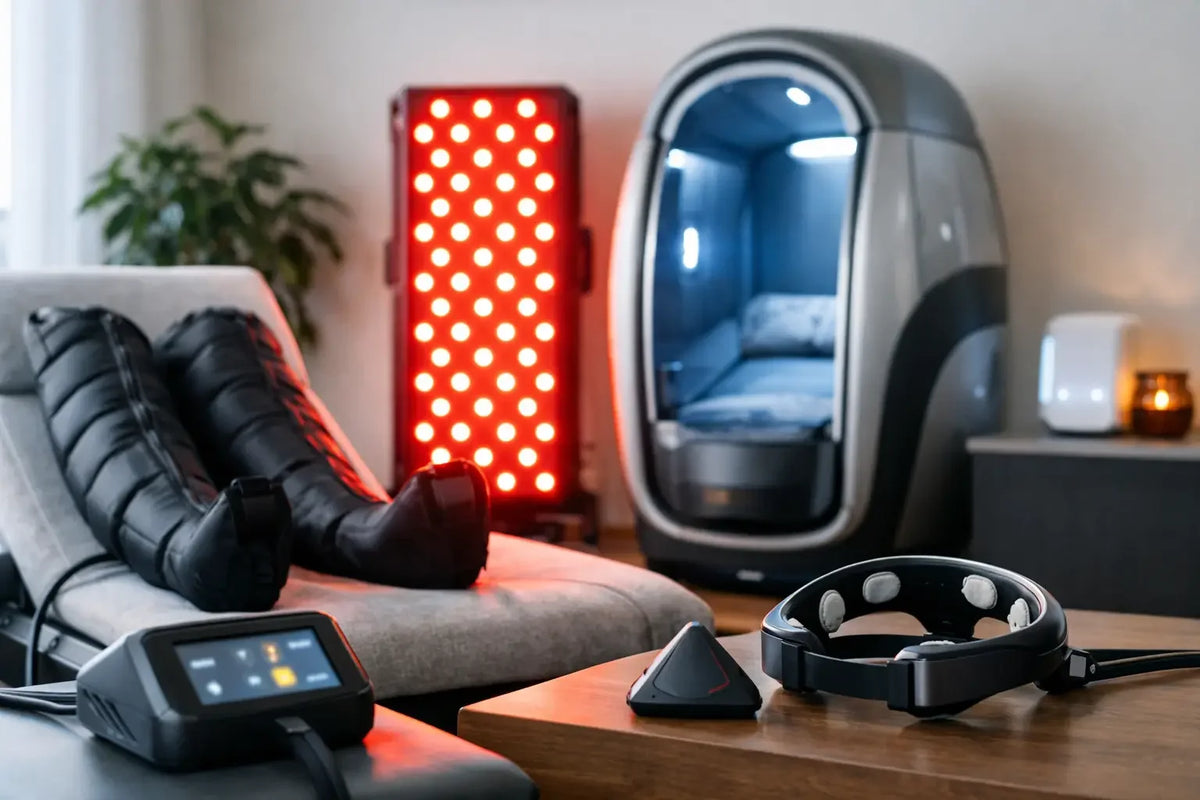
Another clear movement is toward modalities that simplify recovery when time and mental bandwidth are limited. Massage chairs, compression boots, PEMF equipment, and infrared cardio systems offer a more passive entry point than a highly technical protocol. You do not need to plan a complicated session to benefit from a well-designed recovery window.
Compression remains especially compelling for frequent travelers, athletes, and professionals who spend long stretches seated. Massage chairs provide an equally practical form of restoration, particularly when the goal is to create a transition between work and home life. These modalities may not have the visual drama of cryotherapy or contrast therapy, but their convenience often makes them the equipment people use most consistently.
PEMF therapy is gaining interest among buyers creating dedicated longevity and restoration spaces. Its place is often quieter and more personal: a calm room, a focused session, and a deliberate pause. The trade-off is that the experience can be less immediately intuitive than a sauna or massage chair. Clients benefit from selecting a system that aligns with their willingness to build a regular protocol, rather than purchasing based on novelty alone.
Cryotherapy and Longevity Capsules Raise the Hospitality Bar
Whole-body cryotherapy chambers and longevity capsules are increasingly associated with elevated commercial wellness concepts and substantial private estates. These are statement investments, but their value is not merely visual. In the right environment, they create a distinctive recovery offering that supports a premium membership, residential amenity program, or personalized performance regimen.
They also demand more planning. Space requirements, ventilation, power, access routes, service needs, operational training, and local requirements should be considered before selection. This is where a product-first purchase can become expensive. The chamber must fit the room, but the room must also support the experience, staffing model, and long-term operation.
For hospitality and development teams, the opportunity is significant. Guests increasingly expect wellness to be experiential, not incidental. A beautifully executed recovery suite can extend dwell time, support premium positioning, and give travelers a reason to choose one property over another. World-class hospitality now includes the ability to recover well away from home.
Design Integration Is No Longer Optional
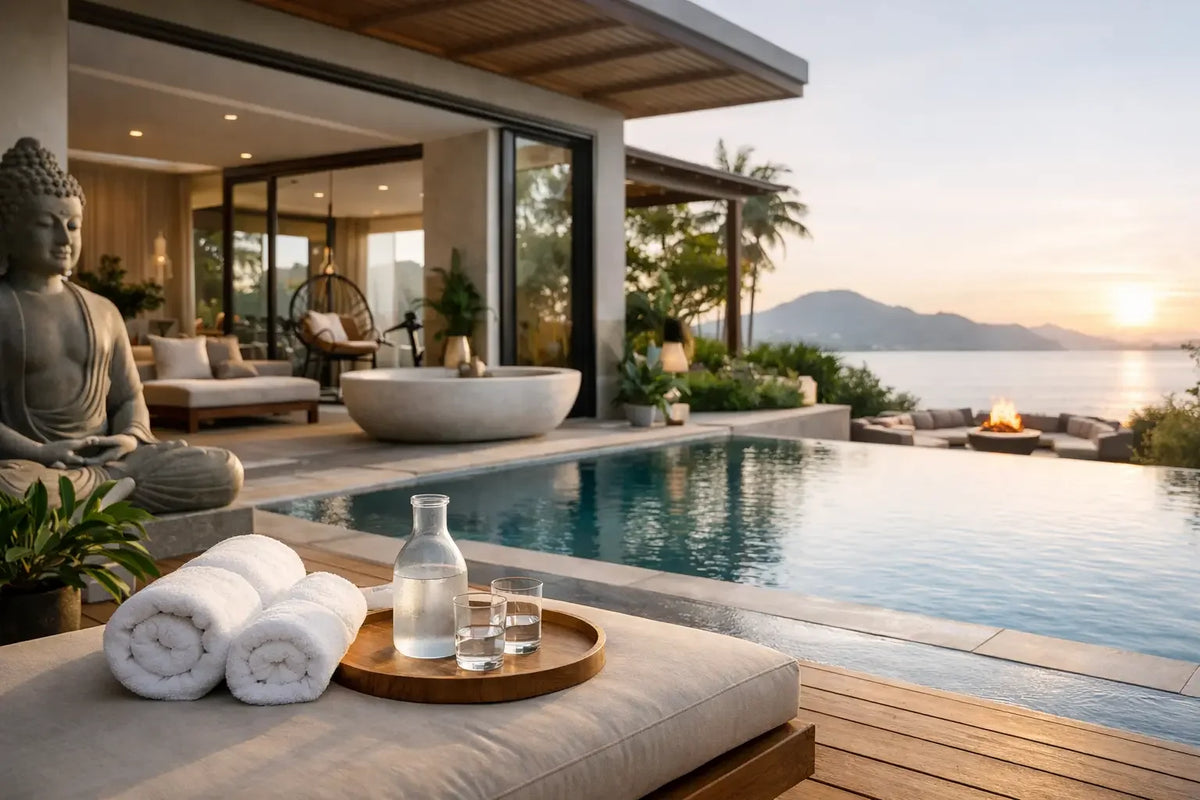
The strongest biohacking spaces do not resemble a crowded showroom. They feel intentional, quiet, and architecturally resolved. Natural wood, stone, textured plaster, integrated lighting, and concealed storage can turn highly technical equipment into a sanctuary that invites daily use.
This is why early planning matters. Equipment dimensions are only the beginning. Consider ceiling heights, flooring, drainage, ventilation, electrical capacity, door clearances, humidity control, privacy, and the transition between wet and dry zones. A sauna may need a different surrounding environment than a red light bed. A cold plunge zone benefits from surfaces that are both elegant and practical underfoot.
For interior designers and architects, wellness equipment is becoming a design category in its own right. The best projects account for it at the schematic stage, when placement, circulation, and utilities can be resolved without compromise. Retrofitting is possible, but early specification protects both the visual result and the installation process.
What to Prioritize Before You Buy
The market will continue to introduce new recovery technology, but a disciplined buying framework remains more valuable than chasing every launch. Start with the outcome you want most: improved training recovery, a more consistent sleep ritual, stress reduction, circulation support, body confidence, or a hospitality amenity with genuine distinction.
Then assess how the equipment will live in the space. The best system is not always the largest or most complex. It is the one that suits your available square footage, infrastructure, design standards, and schedule. A compact, beautifully integrated infrared sauna used five times a week may provide more value than a dramatic modality that requires too much preparation to enjoy.
Finally, consider the ownership experience. Premium equipment should come with credible warranty support, professional delivery coordination, installation guidance, and service clarity. For larger residences and commercial projects, custom sourcing and project expertise are not extras. They are part of protecting the investment.
Luxe Vida Wellness approaches these decisions as a complete environment, not a collection of boxes at the door. Your recovery space should reflect how you live, train, host, and restore. Choose the modalities that make you feel stronger, calmer, and more prepared to return to what matters - then give them a setting worthy of the ritual.
Ready to move from equipment to environment? Request a quote and let's curate a recovery space built around how you train, travel, host, and restore.