Does Sauna Improve Sleep? Timing Changes Everything
Does Sauna Improve Sleep? What the Research Suggests
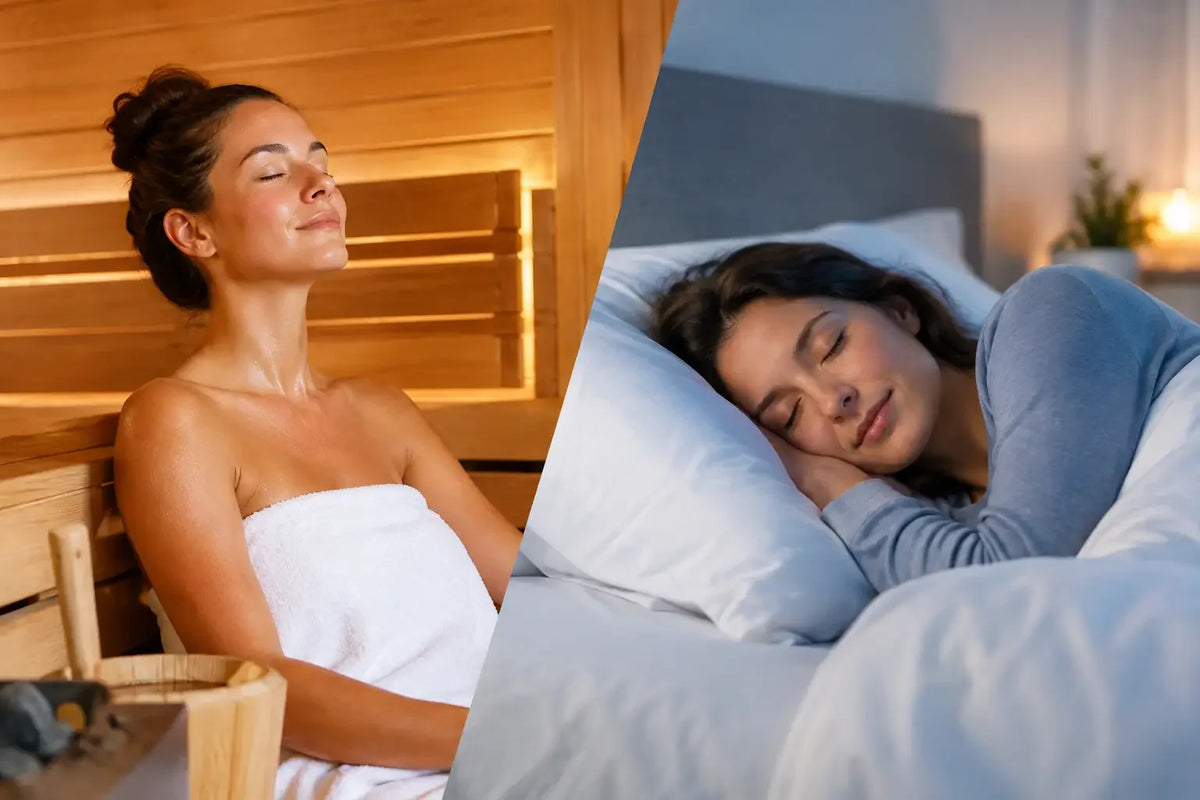
A late meeting, a hard training session, and a mind that refuses to power down can turn even a beautiful bedroom into a place of negotiation. So, does sauna improve sleep? For many people, it can support a calmer transition into rest, particularly when it is used as a deliberate evening ritual rather than one more intense item on an already crowded schedule.
The distinction matters. A sauna is not a sedative, and it cannot solve sleep apnea, chronic insomnia, anxiety, or a bedroom flooded with blue light. What it can do is create a reliable physiological and psychological off-ramp: warmth, stillness, muscle relief, and then a gradual cooling period that signals the body it is time to rest. For high performers, that transition is often the missing part of recovery.
Does Sauna Improve Sleep? What the Body Is Responding To
Does sauna improve sleep? It can for many people, especially when the session ends 60 to 120 minutes before bed and is followed by a cooling period. Timing matters more than temperature.
Sleep depends partly on temperature. Core body temperature naturally begins to decline in the evening, and that decline is associated with the body's readiness for sleep. Sauna bathing temporarily raises body temperature. Once the session ends, the body begins cooling itself through increased circulation and heat release at the skin.
That post-sauna cooling period may be one reason some people report falling asleep more easily after an appropriately timed session. Research on passive body heating, including warm baths and sauna exposure, suggests it may help sleep onset and perceived sleep quality for certain people. The evidence is encouraging, but it is not a promise that every session will deliver a perfect night.
The experience also extends beyond temperature. A quiet sauna session can ease the physical residue of a demanding day: tight hips after travel, a rigid upper back after hours at a desk, or the general fatigue of heavy training. When the body feels less guarded, settling into bed can feel less like a task.
There is a behavioral benefit, too. The most effective sleep routines have a clear boundary between output and recovery. A home sauna creates one. Entering a warm, private space without notifications, work conversations, or one more episode can become a consistent cue that the performance portion of the day is complete.
The Best Sauna Timing for Better Sleep
For most people, the ideal window is not immediately before bed. Finish your sauna session roughly 60 to 120 minutes before you want to be asleep. That leaves time for your heart rate to settle, your body to cool, and your mind to transition without rushing.
A useful evening sequence is simple: sauna, cool shower or a lukewarm rinse, hydration, then a low-stimulation period before bed. You do not need to turn cooling into an endurance event. If your primary goal is sleep, an aggressive cold plunge immediately after a late sauna may feel invigorating rather than calming, especially if you are sensitive to cold exposure or tend to feel wired at night.
Your response is the real benchmark. If you leave the sauna relaxed and pleasantly heavy-eyed, the timing is likely serving you. If you feel energized, overheated, thirsty, or unusually alert in bed, move the session earlier, shorten it, or reduce the temperature.
Morning sauna use can still be valuable for recovery and relaxation, but it is less likely to become a direct cue for sleep later that night. Evening use is where the ritual has the greatest opportunity to support a more graceful descent into rest.
Traditional Heat vs. Infrared for an Evening Ritual
Both traditional and infrared saunas can fit a sleep-supportive routine. The better choice depends on how you prefer to experience heat and how the sauna will live within your home.
A traditional sauna offers the enveloping, high-heat atmosphere many people associate with a true spa ritual. It can be deeply satisfying after a long day, particularly for those who enjoy the sensory experience of a dedicated sauna room, including the option of humidity when appropriate. Yet its intensity may call for more lead time before bed, especially for people who run hot or are new to heat exposure.
Infrared saunas generally operate at lower air temperatures while delivering radiant heat to the body. Many owners find that format more comfortable for regular evening sessions, especially in a compact home wellness suite. The lower-temperature environment does not make infrared inherently better for sleep, but it may make consistency easier for someone who does not enjoy the intensity of conventional heat. For a deeper look, see our guide to infrared sauna benefits for recovery and sleep.
Premium design should serve the ritual, not distract from it. A sauna placed near a shower, dressing area, or quiet bedroom wing makes evening use effortless. One located in a harshly lit, cluttered corner of the home is less likely to become part of a restorative habit, regardless of its specifications.
How Long Should You Sauna Before Bed?
Start conservatively. Ten to 15 minutes is enough to understand how evening heat affects you. Experienced users may be comfortable with 15 to 25 minutes, depending on sauna type, temperature, health status, and hydration. Longer is not automatically more restorative.
Treat sleep as the measure of success. You are looking for a session that relaxes the body without leaving you depleted or overstimulated. If you are new to sauna bathing, avoid stacking a hard workout, alcohol, a very hot session, and a late bedtime into the same evening. That combination can turn a recovery ritual into a strain on the system.
Hydration deserves equal attention. Drink water before and after your session, and consider electrolytes after substantial sweating, particularly after training. Going to bed thirsty, lightheaded, or with a racing heart is not a sign of effective recovery. It is a sign to adjust the protocol.
A Refined 90-Minute Wind-Down
The value of a sauna is often what it replaces. Instead of answering emails until you are exhausted enough to collapse, set a protected recovery window. About 90 minutes before bed, finish work and begin a 15- to 20-minute sauna session. Follow with a shower that feels cooling but not shocking, change into sleepwear, rehydrate, and keep lighting low.
The final hour should stay deliberately quiet. Read, stretch lightly, journal, or simply sit without a screen. This is where a thoughtfully designed home wellness environment earns its place: it does not demand more willpower at the end of the day. It makes the better choice the convenient one.
For couples or families, the ritual can be adapted rather than rigid. One person may benefit from heat after dinner, while another may prefer it earlier. The goal is not to create a perfect protocol. It is to build a repeatable transition that respects your actual schedule.
When Sauna May Not Improve Sleep
Sauna use is not a universal answer. Some people find late heat exposure stimulating. Others wake during the night if they have not replaced fluids adequately. Those with cardiovascular conditions, uncontrolled blood pressure, pregnancy, certain medications, or a history of fainting should speak with a qualified clinician before using a sauna. The same applies to anyone whose sleep problems are persistent, severe, or paired with loud snoring, breathing interruptions, or extreme daytime fatigue.
Alcohol changes the equation as well. It may make you feel drowsy initially, but it can fragment sleep and increase dehydration. Pairing alcohol with sauna heat is not a luxury ritual. It is an avoidable risk.
Finally, do not overlook the fundamentals. A sauna can complement a cool, dark room, consistent wake time, reasonable caffeine boundaries, and an evening free from work escalation. It cannot compensate for ignoring all of them.
Build a Recovery Space That Makes Rest Inevitable
The most powerful wellness environments are designed around behavior. A beautiful sauna is more than an amenity when it is placed, specified, and used to create a dependable recovery rhythm. For an executive balancing relentless decisions, an athlete managing training load, or a homeowner who values privacy, that rhythm can be a meaningful advantage.
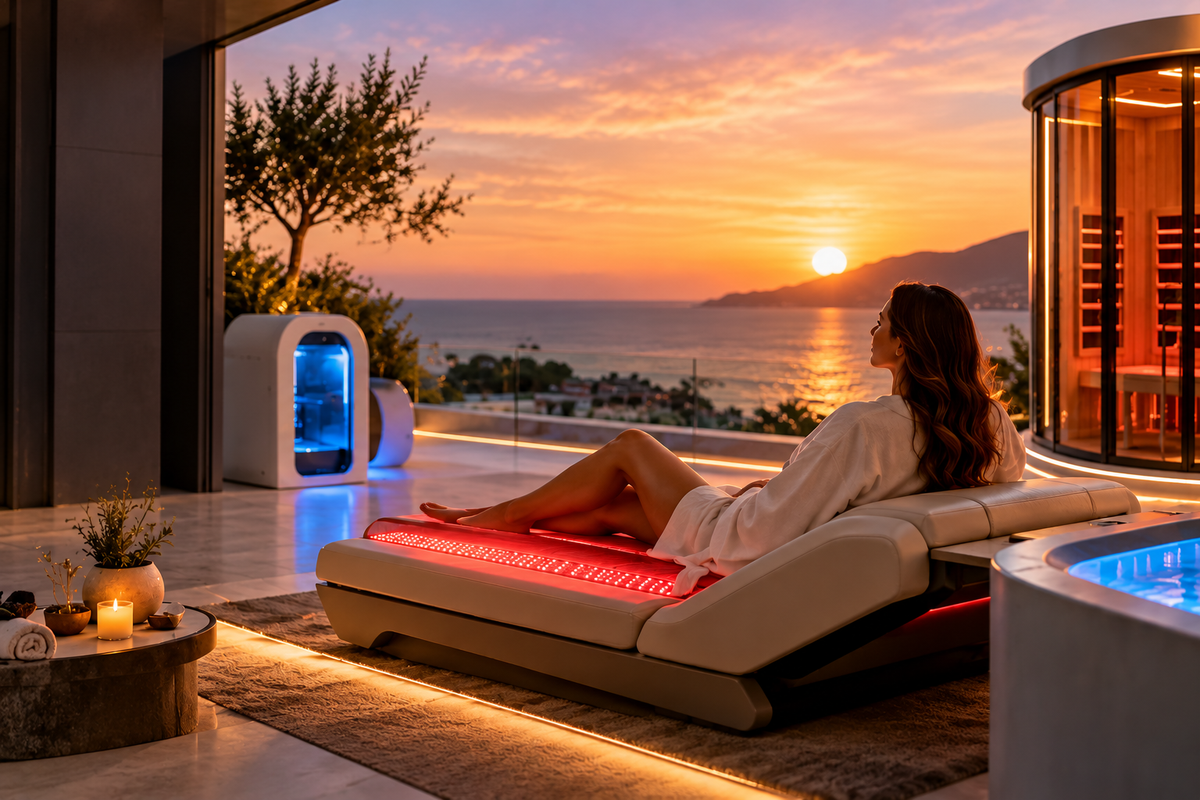
Luxe Vida Wellness approaches the home sauna as part of a larger recovery sanctuary, where heat, shower access, lighting, materials, and adjacent modalities are considered as one experience. The goal is not simply to own exceptional equipment. It is to make strength and serenity exist in harmony, every evening you choose to step inside.
Tonight, resist the temptation to make recovery another performance metric. Give yourself enough time, choose a level of heat that feels restorative, and let the cooling period do its quiet work. The best sleep ritual is the one that leaves you feeling composed long before your head reaches the pillow.
Luxe Vida Wellness approaches the home sauna as part of a larger recovery sanctuary.